📊 5-Axis Feline Pentagon Radar & Breed Stats
📋 Physical Specs & Habits
♀ 4.0~7.0kg
📜 History & Lineage
📍 Origin: Roman Empire - Britain
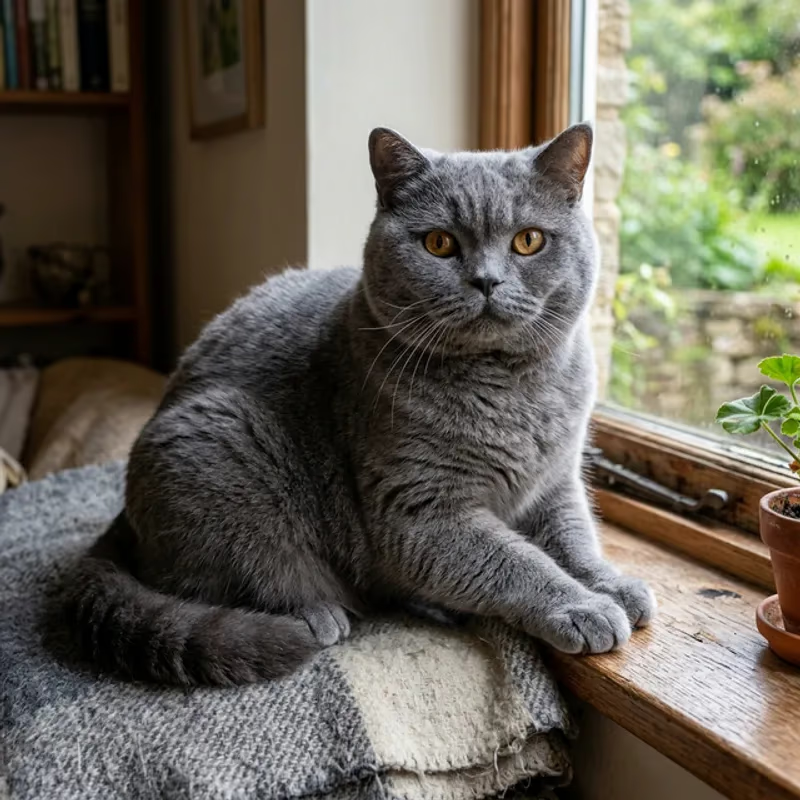
The British Shorthair is believed to be a descendant of cats brought to Britain by the Roman Empire to protect livestock. Recognized as an official breed in the late 19th century, their numbers drastically declined after World War II. Through careful crossbreeding with other breeds like Persians, their coat density and physique were enhanced, establishing the distinctive rounded, sturdy 'cobby' body type seen today. This meticulous development shaped their characteristic image as the benevolent, dignified 'British Gentleman' of the feline world.
🏥 Medical Warnings
⚠ Hypertrophic Cardiomyopathy (HCM)
British Shorthairs are genetically predisposed to HCM, a condition where the heart walls thicken. Early diagnosis and management through regular cardiac ultrasound examinations and veterinary consultations are crucial. Owners should closely monitor for signs of lethargy or difficulty breathing.
⚠ Obesity and Joint Issues
Due to their calm and less active nature, British Shorthairs are prone to obesity. Obesity can lead to secondary conditions such as diabetes and arthritis, making dietary management and regular playtime essential for maintaining a healthy weight.
🤔 British Shorthair vs. Scottish Fold: A Comparative Analysis
✅ British Shorthair Daily Care & Dietary Protocol
Ensure portion-controlled feeding for ideal weight and provide at least 10-15 minutes of playtime with toys like wand toys or lasers.
🎨 Recognized Colors
While blue (grey) is the most iconic, British Shorthairs come in an incredibly diverse array of colors and patterns. These include solid colors such as black, white, red, cream, chocolate, lilac, and cinnamon, as well as various patterns like tabby, bi-color, calico, shaded, and point.
💰 Maintenance
Maintenance difficulty is moderate. Their short, dense coat generally requires brushing only once or twice a week. However, during shedding seasons, more frequent grooming may be beneficial. Strict dietary control and ensuring adequate playtime are crucial for preventing obesity. Regular dental care is also recommended.
“The British Shorthair embodies the architecture of an 'independent gentleman.' While their composed demeanor and relaxed elegance are charming, excessive neglect can lead to 'socialization debuffs' or 'activity level bugs,' escalating the potential risks of obesity and heart disease. To optimize their 'British Gentleman firmware' and ensure a healthy feline life, we propose three core solutions.”
1️⃣ Designing a 'Scheduled Check-in' Interaction Routine
British Shorthairs are adept at playing hard to get. Rather than forcing affection, try implementing scheduled 'play sessions' at specific times. Engage in short, intense interactions with wand toys or hide-and-seek games. During other times, respecting their 'privacy lock' is key to optimizing your relationship. Forced interaction can lead to 'system errors.'
2️⃣ Establishing an 'Activity-Boosting' Environmental Architecture
Lethargy is often a 'default setting' for British Shorthairs. However, obesity acts as a 'critical bug.' Activate an 'autonomous exercise program' by strategically placing toys that stimulate their hunting instincts, such as moving mice or treat puzzles. Even if they don't prefer high perches, providing various horizontal scratchers and hiding spots can effectively stimulate their exploratory drive.
3️⃣ Data-Driven Diet and Health Monitoring System
Given their relaxed nature and natural build, weight management is particularly crucial. Make 'health data logging' a habit by measuring and recording their weight monthly. Based on this data, consult with your veterinarian to 'precisely patch' their diet type and feeding amount. Regularly scheduled cardiac ultrasounds are essential for early 'debugging of hidden HCM bugs,' which is key to long-term health maintenance.
Are you a royal Independent Gentleman (British Shorthair) too? Discover your inner cat personality!
Find your spirit cat that matches your personality in just 1 minute!