📊 5-Axis Feline Pentagon Radar & Breed Stats
📋 Physical Specs & Habits
♀ 2.5~3.5kg
📜 History & Lineage
📍 Origin: Cornwall, England, 1950s
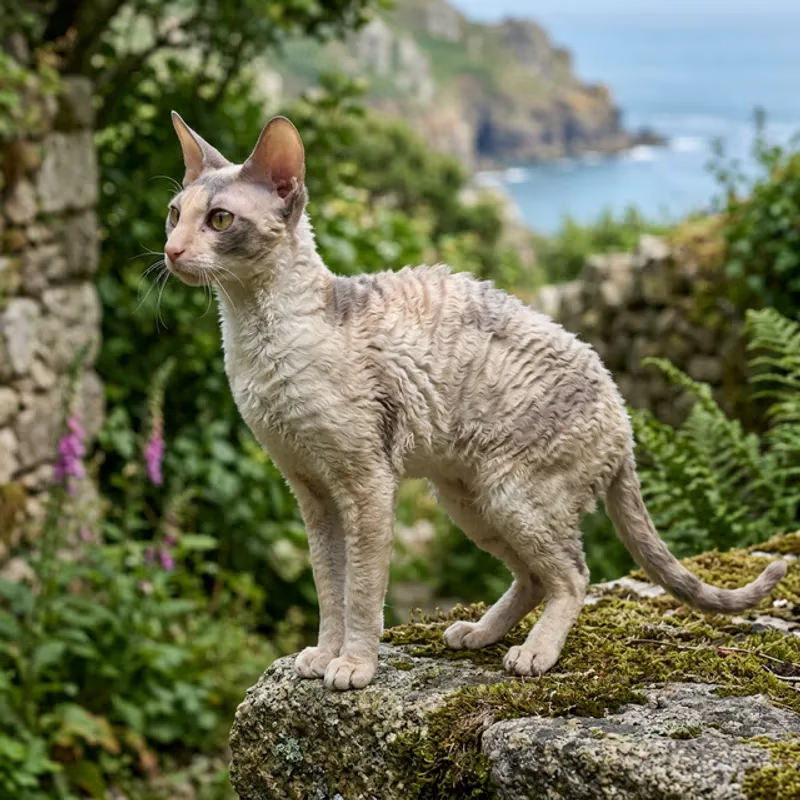
In 1950, a male kitten named 'Kallibunker' was born in a barn on a farm's cornfield in Cornwall, England, becoming the first Cornish Rex. This cat possessed unique curly fur due to a natural genetic mutation. Subsequently, through dedicated breeding programs, the Cornish Rex breed was developed into its present form. It is important to note that this is a distinct genetic mutation from the Devon Rex, and the two breeds possess entirely separate gene pools.
🏥 Medical Warnings
⚠ Hypertrophic Cardiomyopathy (HCM)
This is a hereditary heart condition that can manifest in Cornish Rex cats. It involves an abnormal thickening of the heart walls, which can impair cardiac function. Regular cardiac ultrasound examinations are crucial for early detection and management.
⚠ Patellar Luxation
A joint condition that can occur in the slender, long-bodied Cornish Rex. It involves the kneecap dislocating from its normal position, potentially causing difficulty in walking. Early detection, proper joint care, and maintaining an appropriate weight are essential.
⚠ Skin Sensitivity
Due to their unique coat structure, primarily composed of down hair, their skin is directly exposed to the external environment, making it susceptible to dryness and irritation. Regular moisturizing care and the use of hypoallergenic bathing products are recommended.
🧬 Key Differences: Cornish Rex vs. Devon Rex
🏥 Cornish Rex Daily Care Protocol Guide
Massage with a hypoallergenic cat-specific moisturizer or a small amount of coconut oil to prevent skin dryness and maintain suppleness.
Gently clean with a specialized ear cleaner to remove earwax and prevent inflammation (their large ears are prone to foreign matter accumulation).
Maintain indoor temperature at 24-26°C and humidity at 50-60% to prevent heat loss due to their thin coat and ensure a comfortable environment.
🎨 Recognized Colors
All colors and patterns are recognized, including solid, tabby, bicolor, Siamese, and calico. Eye colors vary widely depending on the coat color and pattern.
💰 Maintenance
Medium-high maintenance difficulty. While shedding is minimal, managing their thin coat for warmth and addressing skin sensitivity are crucial. Attention to ear cleaning and providing ample playtime is also important.
“While Cornish Rex cats have a low 'grooming debuff,' they do present with 'bugs' in temperature regulation and 'vulnerabilities' in sensitive skin. Despite their unique "alien giraffe" appearance and exceptionally friendly nature, they require dedicated attention and a sophisticated 'care architecture' from their human companions. Here are three key solutions to ensure their well-being.”
1️⃣ Establish a 'Warm-Up' Environment & 'Skin Barrier' Patch
Their fine, downy coat can 'lock' their 'thermoregulation function.' Maintain indoor temperatures between 24-26°C and provide cat-specific knits or warm blankets. Furthermore, regular hypoallergenic moisturizing care is essential to remove the 'dry skin debuff' and strengthen their 'skin barrier.' As they are susceptible to sunburn, setting up an environment that avoids UV exposure, much like applying 'sunscreen,' is also crucial.
2️⃣ 'Install Playtime Activities' & 'Intelligence Upgrade' Routines
Cornish Rex cats are curious and incredibly active 'energizers.' 'Installing' at least 30 minutes of interactive play daily is vital to provide them with a 'physical buff' and 'mental satisfaction,' thereby preventing 'behavioral bugs.' Incorporate 'intelligence upgrades' through puzzle toys and nose work to keep these intelligent felines mentally stimulated.
3️⃣ Implement 'Regular Health Scans' & a 'Customized Supplement Roadmap'
It is crucial to 'scan' for genetic 'vulnerabilities' such as HCM and patellar luxation proactively. Annual check-ups help in early detection of 'potential bugs.' Consult with your veterinarian to 'apply' a 'customized supplement roadmap' that can support joint or heart health, aiming for an 'upgrade' in their healthy lifespan. Understanding their unique 'architecture' is key.
Are you a royal Curly Alien Giraffe (Cornish Rex) too? Discover your inner cat personality!
Find your spirit cat that matches your personality in just 1 minute!