📊 5-Axis Feline Pentagon Radar & Breed Stats
📋 Physical Specs & Habits
♀ 3.5~5.5kg
📜 History & Lineage
📍 Origin: Isle of Man, a British Crown Dependency
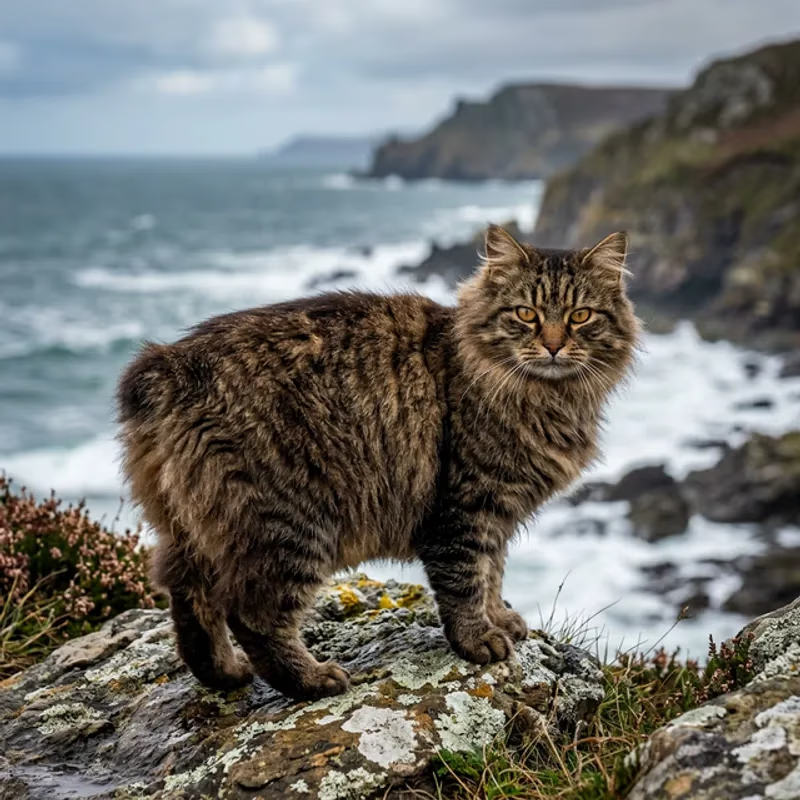
The Cymric is the longhaired variant of the naturally occurring, tailless Manx cat from the Isle of Man in the Irish Sea. During efforts to broaden the genetic diversity of the Manx breed in the 1960s, the longhair gene began to express itself. By the late 1970s, it was recognized as an independent breed and given the name 'Cymric', derived from the Celtic name for the Isle of Man. It is widely cherished for its rabbit-like appearance, lacking a tail, and its gentle temperament.
🏥 Medical Warnings
⚠ Manx Syndrome
Due to the genetic characteristic of having no or a short tail, various complications can arise, including spinal deformities, issues with bowel/bladder control, and neurological abnormalities. These typically manifest within the first four months of life and can affect survival rates in severe cases. Regular health check-ups and immediate veterinary attention are crucial if symptoms appear.
⚠ Arthritis & Joint Diseases
Spinal deformities or hind limb abnormalities associated with Manx Syndrome can put stress on the joints. The likelihood of developing arthritis increases with age, so weight management and joint health supplements should be considered.
Manx & Cymric Breed Comparison
Cymric Daily Care & Health Protocol
Provide a balanced diet primarily composed of high-quality protein. In case of digestive issues, consider hypoallergenic or prescription diets.
🎨 Recognized Colors
A wide array of colors and patterns are accepted, including solid, tabby, bicolor, and smoke. Eye colors also vary and typically harmonize with the coat color.
💰 Maintenance
As a longhaired breed, thorough brushing 2-3 times a week is essential. Its double coat makes it particularly prone to matting and hairball formation. Regular health check-ups and maintaining an ideal weight are crucial to manage the potential risks associated with Manx Syndrome. Special attention should be paid to grooming the fur around the anal area.
“The Cymric, a 'fluffy rabbit' with its tailless charm and abundant fur, boasts loyalty and gentleness as standard traits. However, even this seemingly perfect architecture harbors a hidden 'critical bug': Manx Syndrome and its associated spinal/joint debuffs. To ensure our fluffy friend enjoys a long, happy runtime without glitches, the 'Madi Animal Psychology Encyclopedia' proposes '3 essential patches'.”
1️⃣ Establishing a 'Low-Impact' Environment for Spine Architecture Optimization
The absence of a tail can be a critical design flaw linked to spinal deformities. 'Hard landings' from high places can cause fatal 'system errors' in the spine. Therefore, cat trees should be low and stable, and ramps or stairs should be installed where jumping is necessary to provide 'shock absorption buffers'. Activating 'Spine Protection Mode' is essential!
2️⃣ Calorie Control & Movement Patch to Remove 'Obesity Debuff'
Their rounded, sturdy appearance can make them susceptible to the 'obesity debuff'. Excess weight places a critical 'load overload' on the spine and joints, potentially causing 'movement lag'. Maintain a healthy weight through controlled feeding and regular play. Engage them in hunting games (e.g., with wand toys) to activate a 'core muscle strengthening routine' and reduce stress on their joints.
3️⃣ Automating a 'Grooming Scheduler' to Prevent Double Coat 'Matting Bugs'
The Cymric's abundant double coat is beautiful, but neglect can lead to 'matting bugs' (tangles), causing 'critical errors' like skin diseases. Implement a 'grooming scheduler' for thorough brushing 2-3 times a week or more, and regularly seek professional help to remove dead hair. Pay extra attention to the 'perianal area', as it is prone to 'contamination lock during elimination'.
Are you a royal Tailless Fluff (Cymric) too? Discover your inner cat personality!
Find your spirit cat that matches your personality in just 1 minute!