📊 5-Axis Feline Pentagon Radar & Breed Stats
📋 Physical Specs & Habits
♀ 4.0~6.0kg
📜 History & Lineage
📍 Origin: United States (early 2000s)
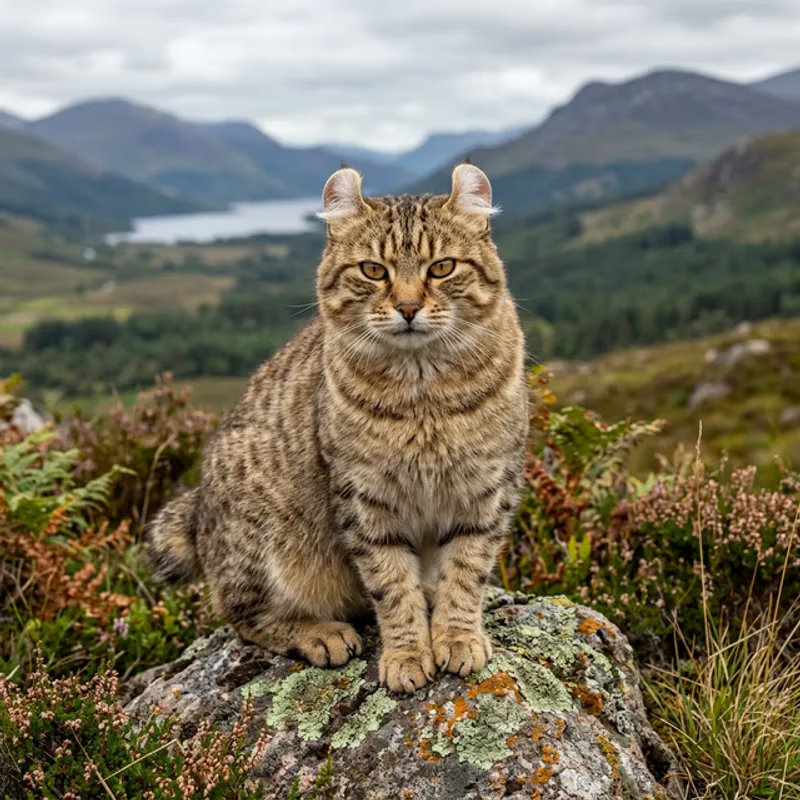
The Highlander breed originated in the early 2000s in the United States through a cross between the 'Jungle Curl' and 'Desert Lynx' breeds. Initially known as 'Highland Lynx,' these cats were developed with the goal of combining a wild, powerful appearance with a friendly and distinctive personality suitable for companionship. Key characteristics include their unique curled-back ears, a short tail, and a strong, muscular build.
🏥 Medical Warnings
⚠ Ear Infections and Inflammation
The Highlander's distinctive curled-back ears can hinder proper ventilation, making them prone to wax buildup and moisture accumulation. This unique structure increases susceptibility to bacterial and fungal infections, as well as ear mites. Regular ear cleaning and veterinary check-ups are therefore essential.
⚠ Obesity-Related Illnesses
While generally active, Highlanders living indoors may not expend enough energy to prevent obesity. Obesity can lead to serious conditions such as diabetes, arthritis, and heart disease. Therefore, consistent play and careful dietary management are crucial for their well-being.
🆚 Highlander vs. Similar Breeds: Comparative Overview
✅ Highlander Daily Care & Nutritional Protocol
Gently clean the inside of the ears using a specialized ear cleaner, and regularly check for signs of inflammation or mites to minimize potential issues.
As they have short to medium-length coats, brush gently with a soft brush to remove loose hair, promote skin circulation, and prevent matting.
Engage in active play for at least 30 minutes daily with toys that stimulate their hunting instincts, such as laser pointers or wand toys, to relieve stress and manage energy levels.
Feed a high-quality, protein-based diet to maintain muscle mass and prevent obesity, strictly adhering to portion guidelines for ideal weight management.
🎨 Recognized Colors
A wide variety of solid, tabby, and bicolor patterns, including brown tabby, silver tabby, blue tabby, red, cream, black, and white.
💰 Maintenance
Medium difficulty. While their short to medium-length coat is relatively easy to groom, regular ear cleaning and check-ups are critical due to their unique ear structure. Providing ample playtime and an stimulating environment is necessary to satisfy their robust activity levels.
“Highlanders, often described as 'miniature wildcats' with a 'dog-like heart,' constantly seek to connect to their human companions' 'attention hosting server.' Without proper management of their abundant affection and high energy, unexpected 'bugs' or 'debuffs' (behavioral issues) can arise. Here are three key solutions to optimize your Highlander's 'hardware' and 'software.'”
1️⃣ Establishing an Optimized 'Dog-Like Cat Mode' Interaction Architecture
Highlanders crave their human's attention and interaction, much like dogs. A 'lack of attention debuff' can lead to stress-induced behavioral problems. Maintain a high 'attachment level' by combining regular affectionate interaction, puzzle toys, and training sessions at set times daily, enhancing their 'quality of life' through meaningful engagement.
2️⃣ Optimizing the 'Custom Ear' Interface and Applying Security Patches
The Highlander's distinctive curled-back ears are charming but can cause ventilation issues, making them susceptible to 'ear health bugs.' Gently clean their ears with a specialized solution at least once a week. If any signs of inflammation (redness, odor, itching) appear, immediately request a 'veterinarian hotfix.' This 'ear care security patch' is an essential routine.
3️⃣ Executing the 'Activity Boosting' Script and Configuring Environmental Variables
The muscular Highlander requires ample physical activity. Indoor-only environments can easily lead to 'energy overflow.' Install cat wheels, cat trees, and cat shelves to expand their 'vertical/horizontal mobility' and alleviate boredom through 'hunting simulation' play. An 'activity optimization routine' is vital for maintaining your Highlander's healthy 'system resources.'
Are you a royal Miniature Wild Lynx (Highlander) too? Discover your inner cat personality!
Find your spirit cat that matches your personality in just 1 minute!