📊 5-Axis Feline Pentagon Radar & Breed Stats
📋 Physical Specs & Habits
♀ 2.5~4.0kg
📜 History & Lineage
📍 Origin: Ancient Japan (Japanese Archipelago)
A naturally occurring breed with a long history in Japan, records indicate their presence in the Japanese archipelago for at least a thousand years. Short-tailed cats frequently appear in traditional Japanese art, particularly in 'Ukiyo-e' paintings from the 17th century onwards, considered ancestors of the Japanese Bobtail. They are famously known as the model for the 'Maneki-neko' (beckoning cat) that brings good luck. The breed gained recognition in the United States after being introduced in the 1960s. The unique tail form is expressed as a 'dominant gene' mutation, not a recessive one.
🏥 Medical Warnings
⚠ Robust Genetic Architecture
The Japanese Bobtail boasts a robust genetic architecture, showing a significantly lower incidence of hereditary diseases compared to other breeds. However, due to their active nature, joint health management and regular oral hygiene checks are essential 'fundamental patches' for all cats.
⚠ Potential Risk of Patellar Luxation
Given their active nature and love for jumping, there's a potential intermittent risk of patellar luxation. It's important to avoid excessively high jumping environments and to maintain 'joint stability buffs' through consistent muscle-strengthening play.
🧬 Japanese Bobtail vs. Manx Cat Tail Structure Comparative Analysis
Recessive Gene
🎯 Japanese Bobtail Daily Care & Activity Protocol
As a short-haired breed, brush with a soft brush to remove dead hair and promote skin blood circulation. Maintain 'coat condition buff'.
Place fresh water in multiple locations; supplement with a water fountain or wet food if needed to increase intake. Ensure 'hydration balance system' operates normally.
Respect their vocal nature by talking to them and responding to their calls. Activate 'communication skills' to strengthen bonding.
🎨 Recognized Colors
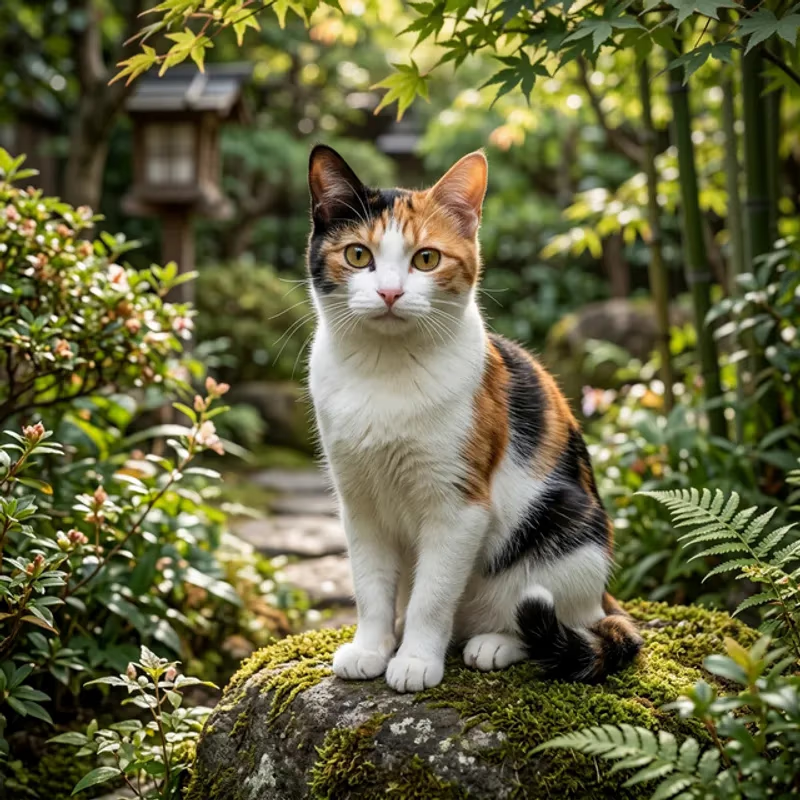
Varied colors are expressed, including Mi-ke (calico - white, black, orange), bicolor, solid, and tabby. The Mi-ke color, in particular, is considered a symbol of good fortune in Japan.
💰 Maintenance
Maintenance difficulty: Medium-Low. As a short-haired breed, coat care is relatively easy. Brushing 1-2 times a week is sufficient to remove dead hair. While their high activity level reduces obesity risk, a balanced diet and ample playtime are essential.
“The Japanese Bobtail, often known as the model for the Maneki-neko, is far more than just a bringer of good fortune. Their 'intelligent dialogue architecture' and 'infinite activity engine' provide immense satisfaction to their guardians. However, if 'boredom bugs' or 'isolation debuffs' occur, it can lead to unpredictable behavioral patterns. We propose an 'operating system optimization patch' to maximize the potential of these clever conversationalists.”
1️⃣ Always Activate the 'Interactive Dialogue Module'
Japanese Bobtails come equipped with a natural 'chatterbox skill', enjoying conversations with people. Beyond simply talking to them, establish a 'two-way communication' system through clicker training or teaching short commands. Setting routines like 'voice feedback upon play requests' and 'treat rewards for praise' can satisfy their intellectual curiosity and strengthen your bond.
2️⃣ Consistently Provide 'Activity Quest Lines'
With a 'higher activity status' than the average cat, Japanese Bobtails require sufficient daily physical and mental stimulation. Provide 'quests' through 'hunting simulations' with wand toys, hide-and-seek, or nose work (hiding treats) to help them expend energy. Building ample 'vertical and horizontal movement systems' like cat wheels or cat trees is also effective in removing 'stress debuffs'.
3️⃣ Optimize 'Environmental Enrichment' Systems
They possess a very high curiosity about their surroundings. Install 'viewpoint widgets' allowing them to observe outside, or periodically change the arrangement of toys and furniture to activate their 'exploration adventure skills'. Positive experiences with new objects or sounds can provide a 'socialization buff', increasing their 'adaptability stats' to respond flexibly to unfamiliar environments or people.
Are you a royal Lucky Charm (Japanese Bobtail) too? Discover your inner cat personality!
Find your spirit cat that matches your personality in just 1 minute!