📊 5-Axis Feline Pentagon Radar & Breed Stats
📋 Physical Specs & Habits
♀ 1.8~2.7kg
📜 History & Lineage
📍 Origin: Boston, Massachusetts, USA
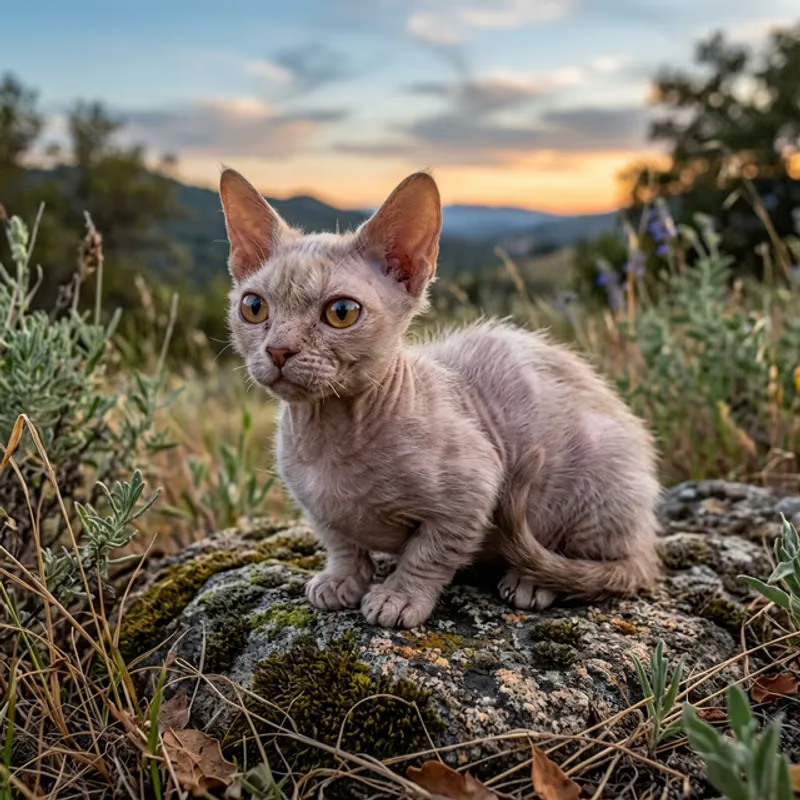
The Minskin was developed in 1998 by Boston breeder Paul McSorley, who combined the hairless characteristics of the Sphynx with the short legs of the Munchkin. The unique coat texture of the Devon Rex and the balanced physique of the Burmese were also incorporated into its genetic makeup. It was officially recognized as a breed by TICA (The International Cat Association) in 2008. With its distinctive short-legged, hairless, peach-like appearance, it has captured the hearts of cat lovers worldwide.
🏥 Medical Warnings
⚠ Skin Barrier Vulnerability
Due to their sparse coat, their skin is directly exposed to external environmental changes (temperature, humidity, UV light). This can lead to dryness, dermatitis, and in severe cases, sunburn. Regular moisturizing and meticulous hygiene are essential.
⚠ Chondrodysplasia-related Issues
Their short legs are a genetic trait resulting from chondrodysplasia. Some individuals may develop spinal deformities (Lordosis) or chest deformities (Pectus Excavatum), which can impact respiratory and motor functions. Regular health check-ups are crucial.
⚠ Hypertrophic Cardiomyopathy (HCM)
Due to genetic influences from the Sphynx breed, there is a risk of developing hypertrophic cardiomyopathy. This condition thickens the heart walls, potentially restricting blood circulation. Early diagnosis and management are vital for extending their lifespan.
🐾 Comparative Chart of Hairless Short-Legged Breeds
📝 Minskin Daily Care & Health Monitoring Checklist
Due to lack of fur, earwax is more visible and prone to accumulation. Gently clean with a specialized ear cleaner to maintain auditory health.
Nails are exposed and can grow quickly. Regular trimming prevents sharpness and improves mobility.
Lacking fur, Minskins struggle with thermoregulation. Essential to control the environment: keep them warm in winter and cool in summer. Maintain indoor temperatures between 22-26°C (72-79°F).
Immediately report any unusual symptoms such as skin rashes, coughing, or abnormal gait to your veterinarian.
🎨 Recognized Colors
Point colors are primarily expressed on areas with sparse fur, such as the ears, nose, tail, and paws. All coat colors and patterns (solid, tabby, bicolor, etc.) are possible, regardless of hair presence. The skin pigmentation itself determines the coat color.
💰 Maintenance
Minskins require a relatively high level of maintenance. Daily moisturizing and hygiene are essential for their delicate skin, which is vulnerable to external irritants due to the lack of fur. Regular bathing and ear cleaning, along with creating a safe environment adapted to their short legs, are necessary. Costs associated with monitoring heart health and cartilage-related conditions may also arise.
“The Minskin, often affectionately called a 'hairless, short-legged peach,' is a charming breed with a distinctive physical makeup. While they may seem like perfect companion animals, highly sociable and affectionate, their unique appearance brings with it specific care considerations. To optimize your Minskin's quality of life and prevent potential health issues, we propose three key solutions.”
1️⃣ Fortifying Their Natural Skin Barrier
A Minskin's hairless skin is highly susceptible to external environmental factors, which can compromise its natural barrier function. Bathe them once a week with a mild shampoo, followed by thorough application of a moisturizer. In dry winter environments, using a humidifier is crucial to optimize their skin's protective layer. When exposed to UV light, apply a specialized pet-safe sunscreen to prevent sunburn.
2️⃣ Creating a Safe Low-Impact Activity Environment
While their short legs are a defining characteristic, jumping from high places can strain a Minskin's joints. Instead of tall cat trees, opt for lower tiered scratching posts or ramps. Provide steps next to sofas or beds to ensure easy and safe access. It's important to encourage play and activity in horizontal spaces rather than vertical ones.
3️⃣ Ensuring Optimal Thermoregulation
Due to their lack of fur, Minskins have a reduced ability to regulate their own body temperature. They are vulnerable to both cold and heat, which can lead to heatstroke. In winter, provide warm clothing or blankets, and in summer, use cooling pads or air conditioning to maintain a comfortable indoor temperature of 22-26°C (72-79°F). Proper temperature and humidity management is a critical factor for their well-being.
Are you a royal Hairless Shortlegged Peach (Minskin) too? Discover your inner cat personality!
Find your spirit cat that matches your personality in just 1 minute!