📊 5-Axis Feline Pentagon Radar & Breed Stats
📋 Physical Specs & Habits
♀ 2.5~4.0kg
📜 History & Lineage
📍 Origin: St. Petersburg, Russia
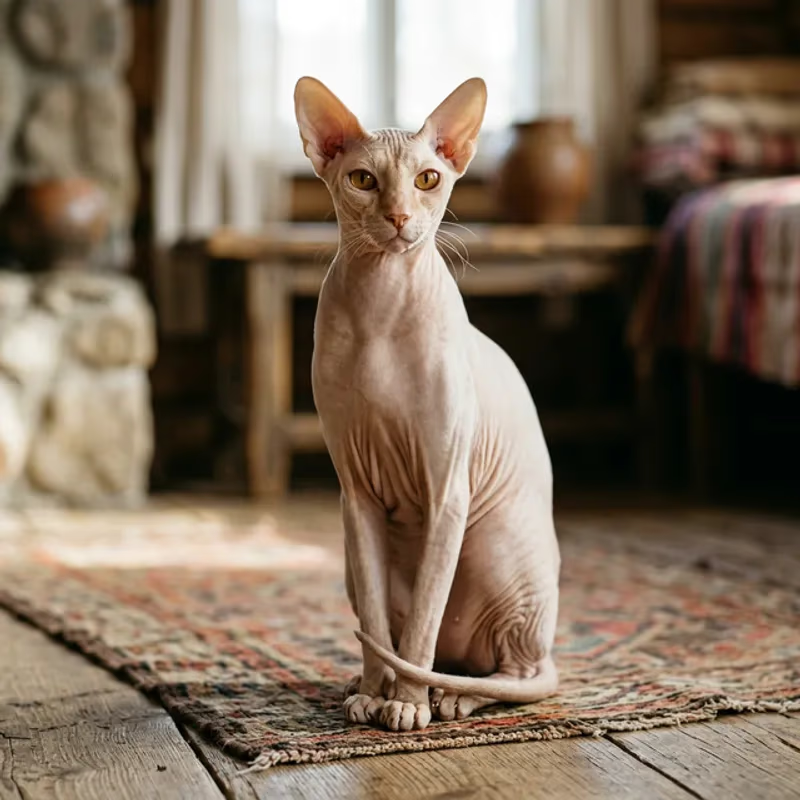
Originating in St. Petersburg, Russia, in 1994, the Peterbald was developed through a cross between a Donskoy male and an Oriental Shorthair female. This unique pairing combined the elegant, long, and svelte body of the Oriental with the hairless gene of the Donskoy, quickly establishing a breed renowned for its distinctive and sophisticated appearance. Initially perceived as a hairless variant of the Oriental, the Peterbald gradually distinguished itself as an independent breed with its own unique characteristics and charm.
🏥 Medical Warnings
⚠ Skin Conditions and Sunburn
Due to their lack of fur or very short coat, Peterbalds' skin is directly exposed to external elements. They are highly susceptible to dryness, allergies, and sunburn caused by UV rays, making consistent moisturizing and sun protection essential.
⚠ Sensitivity to Temperature Changes
With reduced ability to regulate body temperature, Peterbalds are sensitive to cold and prone to stress from rapid temperature fluctuations. Special attention is required to keep them warm in winter and cool in summer.
⚠ Dental Issues (Ectodermal Dysplasia)
This genetic trait, sometimes found in hairless breeds, can lead to problems such as underdeveloped teeth, incomplete dentition, and periodontal disease. Regular oral check-ups and care are crucial.
🧬 Peterbald Coat Type Characteristics Chart
🏥 Peterbald Daily Care & Diet Protocol
Gently cleanse with a hypoallergenic shampoo, then apply unscented moisturizing lotion with a full-body massage.
Maintain 24-27°C, provide warm blankets or heating pads (especially in winter).
Install curtains on windows, apply specialized pet sunscreen for outdoor activities.
High-quality food and a combination of wet food to meet higher energy requirements than average cats.
🎨 Recognized Colors
All coat colors and patterns (tabby, point, bicolor, etc.) are possible, and since they are hairless or have very short fur, these are directly expressed through their skin. Essentially, "the color you see is the color of their skin."
💰 Maintenance
Moderate to high maintenance. Regular bathing, moisturizing, and sun protection are essential. A warm environment must be maintained to regulate their body temperature, and due to high energy expenditure, a high-quality diet is crucial.
“With their sleek physique and warm hearts, Peterbalds are truly an elegant feline architecture, embodying advanced design. However, this delicate system carries potential vulnerabilities: an "environmental dependency bug," a "skin barrier fragility," and an "affection deficit lock." For these unique cases, we present three optimized solutions.”
1️⃣ Skin Layer Optimization: "Custom Firmware Update"
The Peterbald's skin is directly exposed to the environment, requiring delicate and meticulous care. Gently cleanse with a hypoallergenic moisturizing shampoo once a week, and after bathing, always activate their "skin shield" with an unscented moisturizing lotion to defend against dryness and flaking debuffs. During sun exposure, a dedicated pet sunscreen should be applied to prevent "skin burnout," ensuring a thorough care routine.
2️⃣ Establishing an "Automated Routine" for Environmental Temperature Regulation
Lacking fur, Peterbalds have a compromised ability to regulate their body temperature, making them highly susceptible to "hypothermia debuffs" in winter and "heatstroke bugs" in summer. Establish a "smart temperature control system" to consistently maintain indoor temperatures between 24-27°C, and always provide warm blankets or heating pads to ensure a "stable core temperature." This meticulous environmental architecture setup is crucial.
3️⃣ Fully Activating the "Affection Infusion" Interaction Module
Peterbalds possess a strong "people-oriented" nature, making them vulnerable to loneliness, which can lead to "stress debuffs," behavioral issues, or deteriorating health. It's vital to fill their "interaction gauge" with at least two focused play sessions of 30 minutes or more daily, and provide an "emotional stability buffer" through abundant physical contact and communication to unlock the "affection deficit lock."
Are you a royal Elegant Skinhead (Peterbald) too? Discover your inner cat personality!
Find your spirit cat that matches your personality in just 1 minute!