📊 5-Axis Feline Pentagon Radar & Breed Stats
📋 Physical Specs & Habits
♀ 3.0~4.5kg
📜 History & Lineage
📍 Origin: United Kingdom (or the Abyssinian region of Ethiopia)
The Somali is believed to have originated from a natural long-haired gene expression within the Abyssinian cat breed. Long-haired kittens began appearing in Abyssinian breeding programs in the 1940s but were initially considered 'mistakes.' However, captivated by their unique appearance, breeders intentionally started developing them in the 1960s. By the 1970s, the Somali was officially recognized as an independent breed. Its name was inspired by 'Somalia,' a neighboring country to Ethiopia, the Abyssinian's presumed land of origin.
🏥 Medical Warnings
⚠ Pyruvate Kinase Deficiency (PKD)
A genetic disorder caused by a deficiency of the pyruvate kinase enzyme in red blood cells, leading to anemia, jaundice, and lethargy. Early detection through DNA testing and regular blood tests are crucial for management.
⚠ Progressive Retinal Atrophy (PRA)
A hereditary eye disease characterized by the progressive degeneration of the retina, starting with night blindness and eventually leading to complete blindness. Regular ophthalmological check-ups and careful observation by owners are essential.
⚠ Amyloidosis
A condition where amyloid proteins accumulate in organs such as the kidneys, impairing their function. If deposited in the kidneys, it can lead to kidney failure. Due to its genetic predisposition, regular health screenings are imperative.
🧬 Somali vs. Abyssinian: Key Differences Analysis
🏥 Somali Daily Care & Activity Protocol
Brush with a soft slicker brush and comb to prevent tangles; daily brushing during shedding season
Provide ample playtime with hunting games (feather wands, laser pointers) and intellectual stimulation (puzzle feeders)
Place fresh water bowls in multiple locations, install a flowing water fountain, and offer wet food to encourage water intake
Brush with a cat-specific toothbrush and toothpaste, use dental treats or water additives for oral health
🎨 Recognized Colors
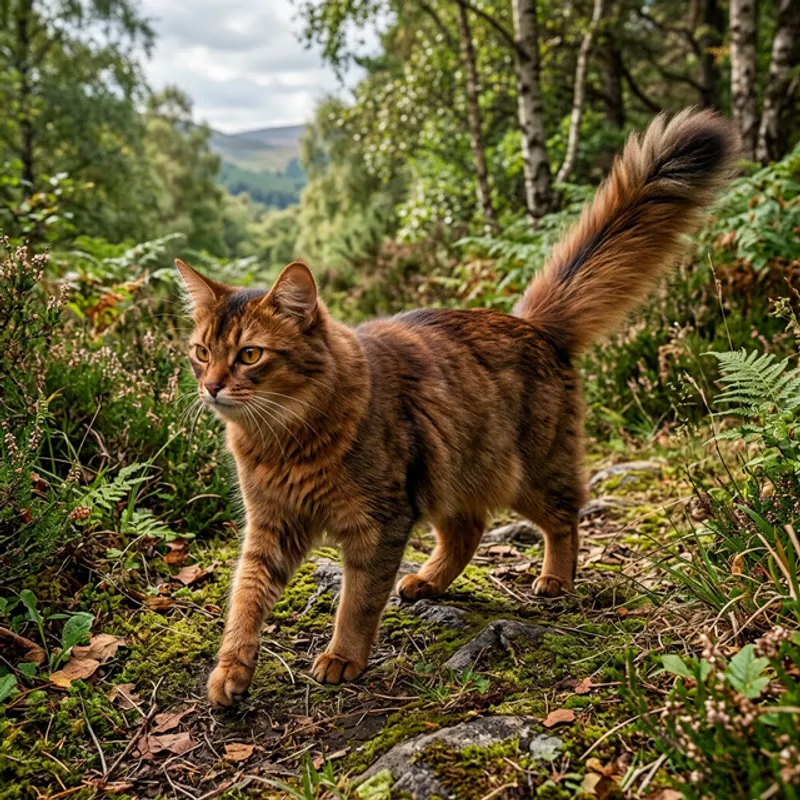
Characterized by a variety of ticked tabby patterns including Ruddy, Red, Fawn, Blue, and Silver. The 'ticking' pattern, where each hair strand displays multiple bands of color, accentuates their fox-like appearance.
💰 Maintenance
Somalis require a moderate level of maintenance. Their soft, semi-long fur needs brushing 2-3 times a week to prevent matting. Given their high energy levels, providing ample playtime and vertical climbing spaces is essential. Regular dental and nail care are also required.
“🦊 The Somali, often referred to as the 'Abyssinian Longhair,' is a breed with intelligence and energy levels tuned to the highest degree. However, behind this exceptional 'hardware' lie potential 'debuffs' such as 'genetic vulnerability bugs' and 'system errors due to insufficient activity.' To ensure the stable operation of your Somali's happiness server, apply these '3-piece optimization patches' now!”
1️⃣ Establish an 'Energy Output Optimization' Activity Algorithm
The Somali's abundant energy must be channeled through 'legitimate outlets.' Otherwise, you may encounter 'error logs' like damaged furniture or behavioral issues. Engage in high-intensity hunting play for at least 30 minutes daily and provide challenging puzzle toys or nose work activities to fully stimulate their 'mental agility.' This is a key solution to remove the 'insufficient activity' debuff.
2️⃣ Implement an 'Anti-Matting' Grooming Routine Automation Script
The Somali's lush, semi-long coat, if improperly managed, can lead to the critical problem of 'fur matting lock.' Beyond regular brushing 2-3 times a week, during shedding season, activate a 'grooming automation script' daily to remove loose hair. This is akin to 'system stabilization' work, reducing hairball incidence and preventing skin issues.
3️⃣ Deploy a 'Genetic Disease Pre-detection' Healthcare Monitoring System
Somalis may be susceptible to 'hidden genetic disease bugs' such as Pyruvate Kinase Deficiency (PKD), Progressive Retinal Atrophy (PRA), and Amyloidosis. These are difficult to detect without a regular 'health monitoring system.' Proactively identify potential 'error codes' through periodic DNA tests, blood work, and ophthalmological exams. Collaborating with your veterinarian to apply 'preventative patches' is an 'essential architecture' for their long-term health.
Are you a royal Bushy Tailed Forest Fox (Somali) too? Discover your inner cat personality!
Find your spirit cat that matches your personality in just 1 minute!