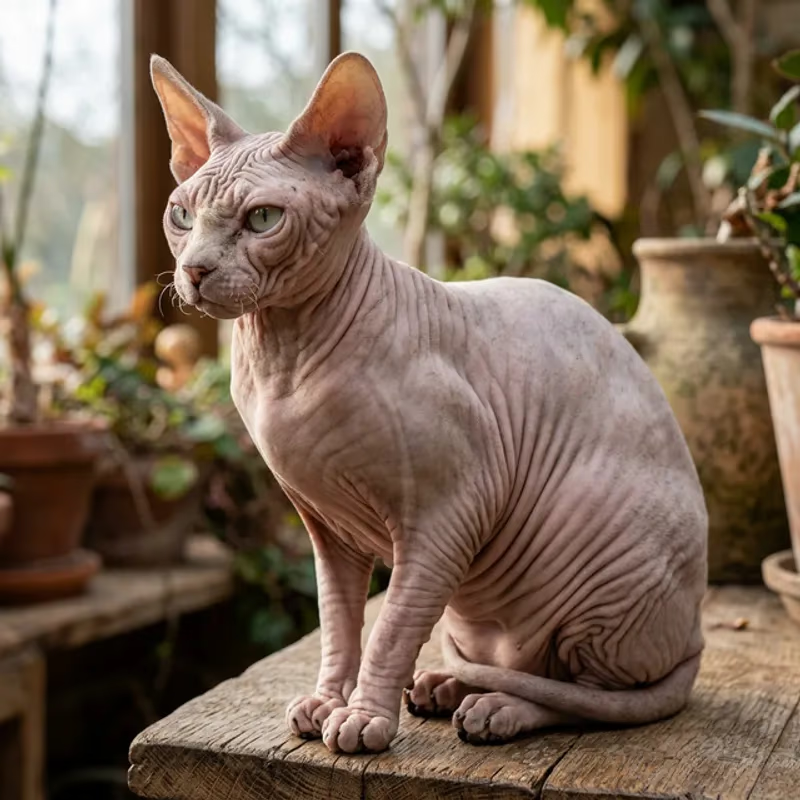
📊 5-Axis Feline Pentagon Radar & Breed Stats
📋 Physical Specs & Habits
♀ 3.0~4.5kg
📜 History & Lineage
📍 Origin: Ontario, Canada
The breed originated in 1966 from a naturally occurring hairless kitten named 'Prune' found on a farm in Ontario, Canada. This hairlessness was due to a spontaneous genetic mutation. 'Prune' became the foundation for planned breeding efforts to establish the Sphynx breed. Initially, challenges arose due to a somewhat limited gene pool, but through outcrossing with furred breeds like the Devon Rex, genetic diversity was expanded, leading to the stable and beloved breed we know today. Its distinctive appearance quickly garnered worldwide popularity.
🏥 Medical Warnings
⚠ Hypertrophic Cardiomyopathy (HCM)
Sphynx cats are genetically predisposed to HCM. This condition thickens the heart walls, potentially leading to heart failure. Regular cardiac ultrasound screenings and medication management upon symptom manifestation are crucial.
⚠ Seborrheic Skin Conditions and Infections
Due to their lack of fur, their skin's natural protective barrier is compromised, making them susceptible to seborrheic dermatitis, acne, and fungal infections from excessive oil production. Regular bathing and diligent skin care are essential.
⚠ Gingivitis and Periodontal Disease
Sphynx cats tend to have a higher incidence of gingivitis and periodontal disease compared to other breeds. Regular oral hygiene, including professional dental cleanings, is necessary.
Sphynx vs. Furred Cats: Myths & Realities
Sphynx Daily Care Protocol
Bathe with a hypoallergenic shampoo in lukewarm water. Thoroughly clean between skin folds and dry completely to prevent infection.
Active sebum secretion leads to easy earwax buildup; gently clean with a specialized solution and cotton pads to prevent otitis externa.
Regularly trim nails with clippers to prevent overgrowth, and keep paw pads clean.
Maintain indoor temperature at 22-26°C (72-79°F). Provide warmth aids like clothing, blankets, and heated beds to prevent heat loss.
Provide high-quality, high-calorie food appropriate for their activity level and temperature regulation. Supplement with wet food, considering their digestive health.
🎨 Recognized Colors
As they lack fur, their skin pigmentation displays a wide array of colors (black, white, blue, red, cream, etc.) and patterns (tabby, bicolor, tortoiseshell, mink, point, etc.). Their skin color can also subtly change with temperature.
💰 Maintenance
High maintenance. Despite their lack of fur, Sphynx cats require bathing 1-2 times weekly with a specialized shampoo to manage skin oils. Regular ear cleaning and nail trims are also essential. They are susceptible to heat loss, so maintaining a consistent indoor temperature is crucial, and providing clean clothes or blankets frequently is advised. Their higher activity levels also necessitate a higher-calorie diet compared to typical cats.
“👽The unique and charismatic 'Sphynx' is a soulmate that requires a management system as special as its distinctive appearance. Thanks to their hairless 'architecture,' they can experience skin care 'debuffs,' temperature regulation 'bugs,' and high energy consumption issues. But fret not! The Senior Editor of the MADI Pet Psychology Encyclopedia proposes three solutions to 'patch' and 'optimize' all these potential 'bugs'!”
1️⃣ Fortifying Skin Barrier & Scheduling Cleansing Routines
Without the natural protective barrier of fur, Sphynx cats are vulnerable to external irritations and excessive sebum production. Regular hypoallergenic baths 1-2 times a week will remove oils, and applying a moisturizing lotion will strengthen their skin barrier function. This is a crucial 'patch' to rebuild their 'skin defense system' and systematically 'schedule cleansing cycles,' proactively preventing skin issues. Pay meticulous attention to 'between their folds,' as these are hidden 'bug points'!
2️⃣ Establishing a Temperature Lock System & Heating Zone Architecture
Sphynx cats expend significant energy regulating their body temperature and are susceptible to colds. 'Lock' your indoor temperature between 22-26°C (72-79°F) and 'architect' several 'heating zones,' such as sunny windowsills or areas with warm blankets/heating pads. This provides an environment where your cat can independently seek warmth, preventing system shutdowns due to 'temperature bugs.' Cold can cause critical 'system errors' for a Sphynx.
3️⃣ High-Calorie Energy Efficiency Optimization Protocol
Lacking fur, Sphynx cats expend 20-30% more energy than typical cats to maintain body temperature, making 'high-calorie energy efficiency optimization' essential. Provide high-quality, high-calorie food suited to their activity level and age, alongside treats rich in omega fatty acids for skin and coat health. For those with sensitive digestive systems, consider a 'hypoallergenic' formula to minimize 'debuffs.' Adequate nutrition is a crucial 'power-up' for a Sphynx's healthy 'performance'.
Are you a royal Unique Soulmate (Sphynx) too? Discover your inner cat personality!
Find your spirit cat that matches your personality in just 1 minute!