📊 5-Axis Feline Pentagon Radar & Breed Stats
📋 Physical Specs & Habits
♀ 2.5~4.0kg
📜 History & Lineage
📍 Origin: Thailand (homeland of Siamese and Burmese) and North America (breed development)
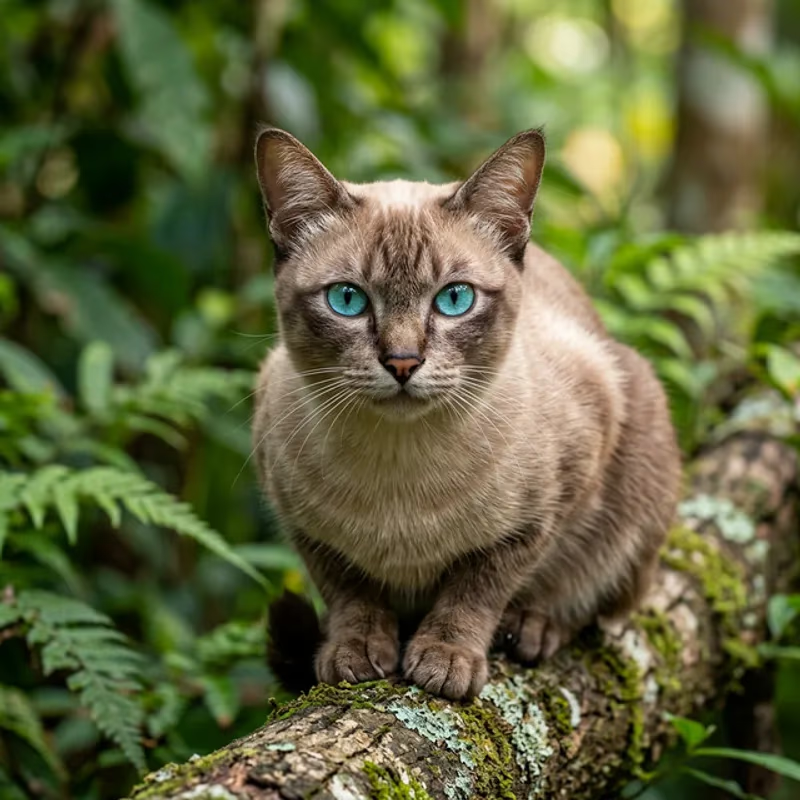
The Tonkinese breed originated in North America in the 1950s through crossbreeding between the Siamese and Burmese. Initially referred to as 'Golden Siamese' or similar names, the breed's unique charm was eventually recognized, leading to its official designation as 'Tonkinese'. By the 1970s, breed standards were established, and it subsequently gained official recognition from major cat associations, including the CFA (Cat Fanciers' Association).
🏥 Medical Warnings
⚠ Progressive Retinal Atrophy (PRA)
A genetic ophthalmic disease that can lead to progressive vision loss and blindness. Regular eye examinations and genetic testing are recommended.
⚠ Gingivitis and Oral Diseases
Inheriting traits from the Siamese, Tonkinese cats can be susceptible to gingivitis and other oral diseases. Regular brushing and professional dental cleanings are necessary for maintaining oral hygiene.
🧬 Tonkinese vs. Siamese & Burmese Comparative Analysis
🏥 Tonkinese Health Management & Lifestyle Guide
Encourage sufficient physical and mental energy expenditure using interactive toys, puzzle feeders, hideaways, and cat trees.
Ensure ample interaction time with family members. Prevent behavioral issues (e.g., excessive vocalization) caused by loneliness and manage separation anxiety.
Brush teeth with a dedicated toothbrush and toothpaste. Consider regular veterinary check-ups and professional dental cleanings if needed.
Brush with a soft brush to remove loose fur and promote circulation. While matting is rare, this is important for general hygiene.
🎨 Recognized Colors
The prominent pattern is Mink, though Point and Sepia/Solid patterns also exist. They display a wide range of primary coat colors including natural (brown), blue, chocolate, lilac, cinnamon, and fawn.
💰 Maintenance
Thanks to their short, dense coat, shedding is minimal, but weekly brushing (1-2 times) is recommended. Their high activity level necessitates ample playtime and environmental enrichment, and their sociable nature demands significant interaction and attention.
“Inheriting the energy of the Siamese and the affectionate nature of the Burmese, Tonkinese cats have earned the endearing nickname 'dog-like cats'. However, to ensure this powerful 'hardware' runs stably, sophisticated 'software' management is essential. Without it, you might encounter issues like 'attention-seeking bugs', 'separation anxiety debuffs', or 'excessive energy surges'. Here are three solutions to achieve perfect 'system optimization'.”
1️⃣ Multi-purpose and Automated 'Energy Release Interfaces'
Tonkinese are energizers with an endless desire for activity. Strategically place multiple 'automated energy release interfaces' throughout your home, including hunting games (laser pointers, feather wands), puzzle feeders, and treat-hiding toys to engage both their physical and mental energy. Scheduling and diligently executing at least two high-intensity 'play sessions' daily is crucial to prevent 'system overload'.
2️⃣ 'Vocalization Control Firmware' Update & Voice Command Training
Influenced by their Siamese heritage, Tonkinese often enjoy 'voice chatting' and may vocalize excessively when lonely or demanding something. Update their 'vocalization control firmware' by teaching them a 'reward for quiet waiting' pattern, rather than 'reward for vocalizing'. Additionally, establishing clear 'communication protocols' by consistently using short, distinct voice commands like "Quiet!" is vital.
3️⃣ Constant 'Companionship Module' Activation & Environmental Optimization
Tonkinese are highly 'socially dependent' and intensely dislike being alone. If you anticipate long periods away from home, seriously consider introducing another pet (another cat or a gentle dog) as a 'companionship module'. Furthermore, optimize their 'environmental variables' by providing ample access to cat trees with window views, scratching posts, and sunny spots to minimize 'separation anxiety debuffs'.
Are you a royal Ocean Eyes (Tonkinese) too? Discover your inner cat personality!
Find your spirit cat that matches your personality in just 1 minute!