📊 5-Axis Feline Pentagon Radar & Breed Stats
📋 Physical Specs & Habits
♀ 3.5~5.5kg
📜 History & Lineage
📍 Origin: New York, USA
This breed was serendipitously discovered in the early 1980s in New York State, USA, by breeder Janet Chiefari. The development of the breed began when a mating between a black female and a brown male unexpectedly produced kittens with genetically rich, chocolate-colored long coats. By the early 1990s, the York Chocolate was officially recognized by major cat associations, including the CFA (Cat Fanciers' Association). As its name suggests, the breed was developed with the goal of creating a cat with the "chocolate" hues and luxurious fur reminiscent of a rich confection.
🏥 Medical Warnings
⚠ Hypertrophic Cardiomyopathy (HCM)
A hereditary heart condition common in many purebred cats, where the heart muscle thickens abnormally. Regular cardiac ultrasound screenings are crucial for early diagnosis and managing the condition effectively.
⚠ Hairball Syndrome
Due to their lush, long coats, York Chocolates tend to ingest a significant amount of fur during grooming. This fur can accumulate in the stomach or intestines, leading to hairball formation, which may cause symptoms such as vomiting, appetite loss, and constipation. Regular grooming and hairball management are essential to prevent these digestive issues.
York Chocolate vs. Similar Long-Haired Chocolate Cats Comparison
York Chocolate Daily Care & Diet Protocol
Use a slicker brush and metal comb to prevent tangles and remove dead fur. Focus on underarms and belly area.
Ensure sufficient exercise and bonding with interactive toys like wand teasers. Environmental enrichment to stimulate curiosity is essential.
Brush with a dedicated toothbrush and toothpaste to prevent dental diseases. Consider regular dental check-ups and scaling.
Provide high-quality food rich in omega fatty acids. Consider gradual dietary changes and hairball control food if digestive sensitivity is a concern.
🎨 Recognized Colors
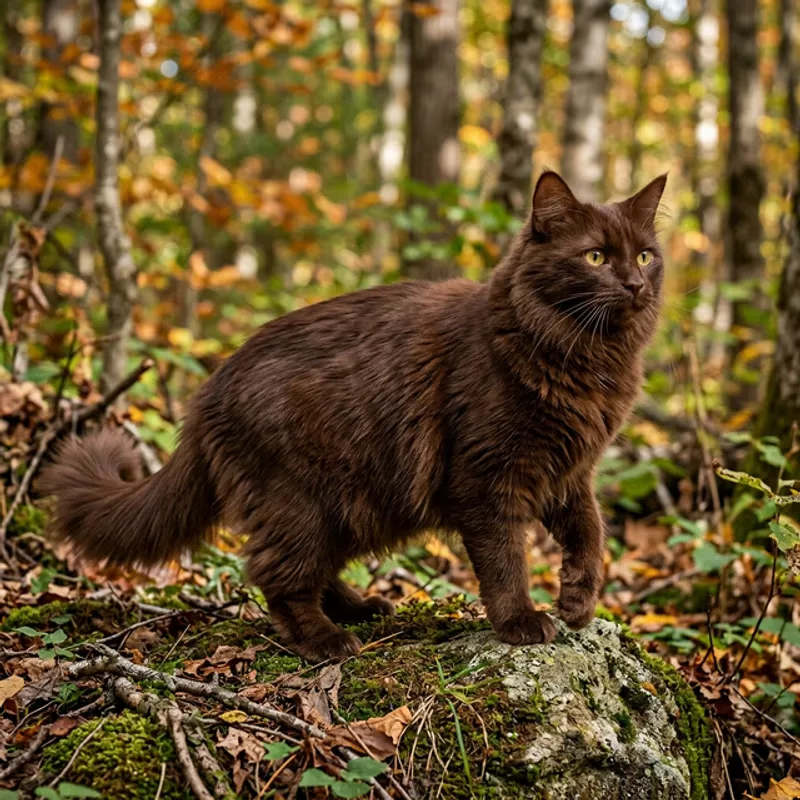
While various colors are seen, including deep chocolate, lavender (solid or bicolor), black, and white, the 'chocolate' and 'lavender' in solid or bicolor patterns are particularly signature to this breed. The most striking feature is their magnificent chocolate-hued long coat.
💰 Maintenance
As a long-haired breed, daily brushing is an essential part of their grooming routine. Regular professional grooming should be considered to prevent matting, and even more diligent care is required during shedding seasons. Given their strong attachment to their owners, ensuring ample playtime is crucial to fulfill their emotional needs and strengthen your bond.
“Behind the sweet chocolate appearance of the York Chocolate lies a surprisingly timid nature. A significant initial apprehension towards unfamiliar environments and an intense focus on their owner can potentially lead to emotional challenges. When combined with the common 'hairball issues' and 'digestive sensitivities' inherent to long-haired breeds, these factors can significantly impact their overall well-being. We propose three key strategies to ensure optimal health and happiness for your York Chocolate.”
1️⃣ Fostering Confidence and Socialization
York Chocolates can initially exhibit caution around unfamiliar environments or people. It's crucial to begin a gradual socialization process from a young age, exposing them to various sounds, individuals, and surroundings. Gently introduce new stimuli to ensure these experiences are positive and build their confidence. This consistent, positive exposure will help them adapt and thrive.
2️⃣ Encouraging Independence and Self-Entertainment
While their devotion to their owner is charming, an over-reliance can sometimes lead to separation anxiety. To prevent this, provide a variety of engaging toys, cozy hiding spots, and puzzle feeders that encourage self-entertainment when you are away. Cultivating their ability to play independently will help them maintain a calm and contented disposition even in your absence.
3️⃣ Preventing Hairballs and Optimizing Digestive Health
Their beautiful long coats can lead to hairball formation and subsequent digestive issues. Daily, thorough brushing is essential to remove loose fur. Additionally, incorporating hairball control food or treats can be highly beneficial. To further support digestive health and address any sensitivities, consider probiotic supplements and ensure multiple fresh water sources are available to encourage adequate hydration.
Are you a royal Sweet York Chocolate (York Chocolate) too? Discover your inner cat personality!
Find your spirit cat that matches your personality in just 1 minute!