📊 5-Axis Feline Pentagon Radar & Breed Stats
📋 Physical Specs & Habits
♀ 3.0~5.0kg
📜 History & Lineage
📍 Origin: New York, USA
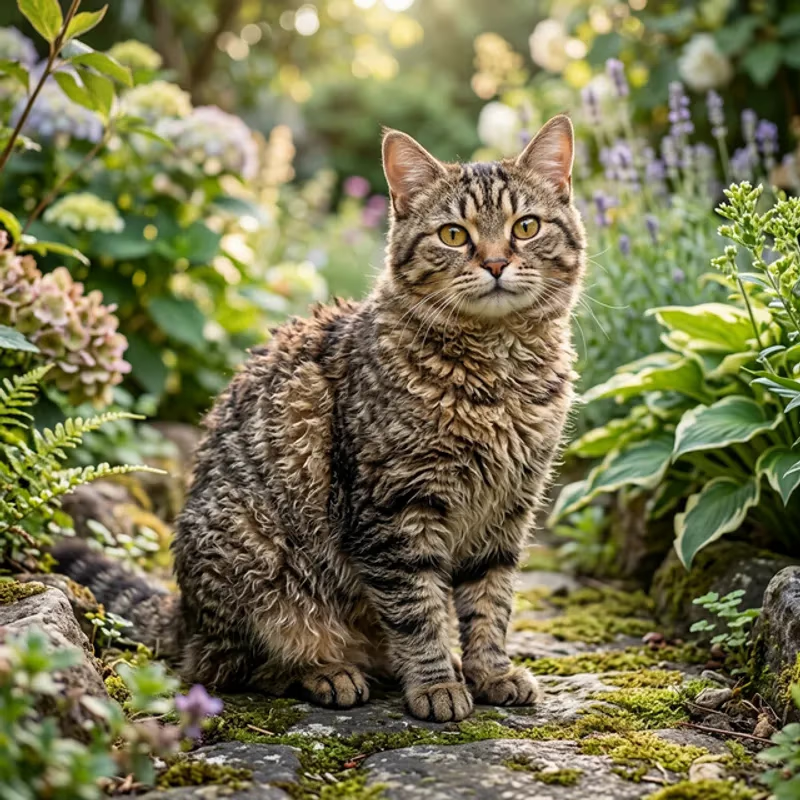
The American Wirehair originated from a spontaneous genetic mutation discovered in 1966 among kittens born to a barn cat in upstate New York, USA. This unique, wiry-coated kitten captured the attention of breeders, who then established the American Wirehair breed through crosses with American Shorthairs. Their distinctive "steel wool" coat is a robust visual characteristic, classifying them as a relatively rare breed.
🏥 Medical Warnings
⚠ Skin and Coat Health (Coat Architecture)
While their unique wirehair coat is relatively tangle-resistant, excessive brushing or improper bathing techniques can lead to skin irritation and an imbalance in natural skin oils. Regular skin checks and appropriate care are essential.
⚠ Potential Risk of Hypertrophic Cardiomyopathy (HCM)
Although generally a healthy breed, like some other pedigreed cats, American Wirehairs may have a genetic predisposition to Hypertrophic Cardiomyopathy (HCM), a condition involving thickening of the heart muscle. Regular veterinary check-ups are recommended to monitor their cardiac health.
American Wirehair vs. American Shorthair: A Coat Architecture Comparison
⚡️ Wirehair Optimized Daily Care & Feeding Protocol
Brush gently with a soft rubber or finger brush, massaging to remove dead hair and promote circulation. Be cautious to avoid skin irritation.
Engage in interactive play like wand toys or hide-and-seek to channel their abundant energy and stimulate their intelligence.
Provide a premium diet rich in Omega-3 and Omega-6 fatty acids for healthy skin and coat. Always ensure access to fresh water.
🎨 Recognized Colors
Most coat colors and patterns, including solid, tabby, bicolor, smoke, and silver, are officially recognized by the CFA. Eye color can also vary widely depending on the coat coloration.
💰 Maintenance
Their distinctive stiff, wiry coat is less prone to tangling, making grooming relatively straightforward. Brushing 1-2 times a week with a soft rubber brush or your fingers is crucial to remove loose hairs and minimize skin irritation. Excessive bathing can disrupt the skin's natural oil balance, so it is recommended to focus on spot cleaning when necessary.
“The American Wirehair, with their endearing wiry coats, possesses an exuberance and lively spirit that's as unique as their physical appearance. Their cheerful and playful nature can significantly boost the vitality of any home, but their abundant energy and special coat 'architecture' might occasionally lead to unexpected challenges. We're here to provide three essential 'patch notes' for system stability and an optimal 'user experience'.”
1️⃣ Implement an Activity 'Throttling' System
American Wirehairs are like engines with high 'RPMs,' constantly seeking activity. Without ample playtime and a variety of 'interactive toys' to 'route' their energy constructively, you might encounter 'furniture damage debugs' or 'excessive play lock-ups.' Ensure daily focused 'play sessions' of at least 30 minutes to help them deplete their 'energy buffer.'
2️⃣ Special Coat 'Rendering' Management Protocol
Their distinctive steel wool-like coat offers a strong 'visual impact,' but conventional grooming methods can lead to 'texture damage' bugs. Instead of harsh brushing, use a soft rubber brush or your fingers to gently massage and comb, minimizing skin irritation. Excessive bathing can compromise the skin's natural 'protective barrier,' so it's best to apply a 'care algorithm' focused on spot cleaning when soiling occurs.
3️⃣ Intelligent 'Environmental Variable' Optimization
These intelligent and curious felines can easily fall victim to a 'boredom debuff' in an unstimulating environment. Introduce 'brain stimulation programs' such as 'puzzle feeders' for hidden treats or 'clicker training' to activate their 'cognitive stack.' Consistent 'social interaction' with their guardians is a key 'solution' to strengthen 'attachment bond buffs' and prevent 'separation anxiety bugs.'
Are you a royal Curly Rascal (American Wirehair) too? Discover your inner cat personality!
Find your spirit cat that matches your personality in just 1 minute!