📊 5-Axis Feline Pentagon Radar & Breed Stats
📋 Physical Specs & Habits
♀ 3.0~5.0kg
📜 History & Lineage
📍 Origin: United Kingdom
The Burmilla originated serendipitously in the UK in 1981 from an accidental mating between a female Champagne Burmese and a male Chinchilla Persian. Initially known as the 'Silver Burmese,' its unique and elegant appearance, born from this remarkable combination, quickly gained popularity, leading to its recognition as a distinct breed. The endearing nickname 'Silver Prince' was coined during this period.
🏥 Medical Warnings
⚠ Polycystic Kidney Disease (PKD)
Inherited from Persian ancestry, PKD can lead to the formation of cysts in the kidneys, potentially impairing their function. Regular ultrasound screenings are highly recommended.
⚠ Hypertrophic Cardiomyopathy (HCM)
A heart condition that can manifest in Burmese bloodlines, HCM involves the thickening of the heart walls, which can lead to impaired cardiac function. Regular veterinary cardiac examinations are essential.
⚠ Entropion
This condition, where the eyelid rolls inward, causing eyelashes to irritate the eyeball, can occur in Persian-derived cats and may result in persistent tearing and discomfort.
🧬 Burmilla vs. Ancestral Breeds: A Comparative Analysis
🏥 Burmilla Daily Care & Activity Protocol
Use a soft brush to remove dead hair and maintain shine. Prevents matting.
Engage in focused play for at least 15 minutes with interactive toys like wand toys or laser pointers. Vertical spaces like cat trees are essential.
Use a cat-specific toothbrush and toothpaste. Supplement with dental treats or oral rinses for tartar prevention.
Place fresh water in multiple locations; consider a pet fountain and wet food to increase water intake.
Regular interaction and physical affection to build a stable bond. Prevents separation anxiety.
🎨 Recognized Colors
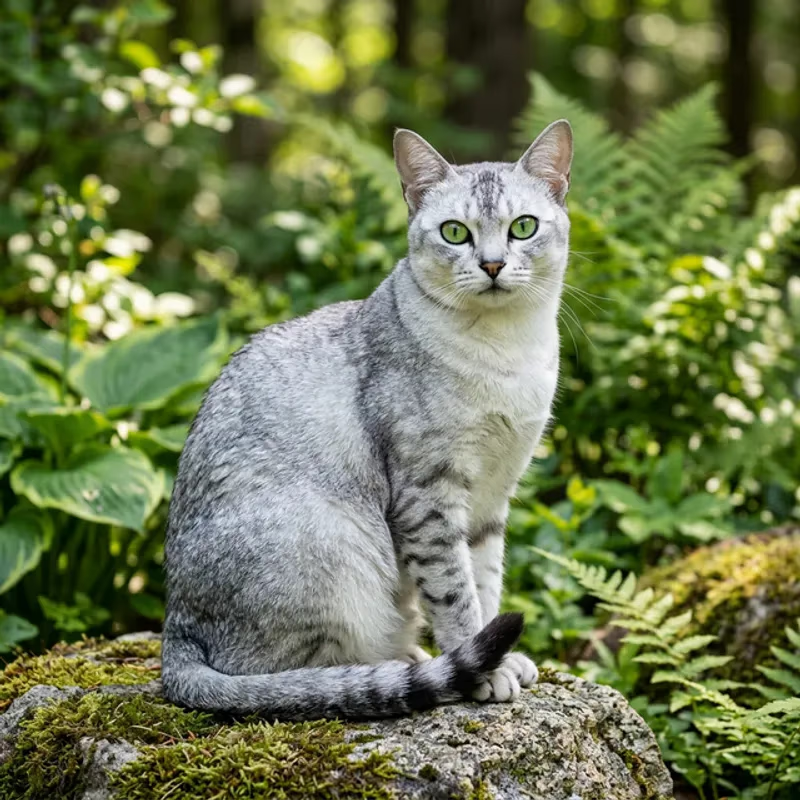
Featuring a shimmering silver base, Burmillas display a range of captivating shades including silver shaded, blue shaded, and black shaded. A distinguishing characteristic is the distinct outlining around their eyes and nose, giving the impression of perfectly applied black eyeliner.
💰 Maintenance
As a short to medium-haired breed, the Burmilla's coat is relatively easy to maintain. A gentle brushing once or twice a week is sufficient to remove loose hair and keep their fur healthy. Given their active nature, ensuring ample playtime and providing vertical spaces are crucial. Dental health care should also be a priority.
“The Burmilla, often nicknamed 'The Silver Prince,' boasts an elegant appearance and exceptional sociability. However, beneath this charming exterior lie potential challenges, which we might metaphorically describe as 'energy overflow,' 'genetic vulnerability bugs,' and 'attention-seeking debuffs.' To optimize their well-being, we propose three key solutions. Our goal is to elevate the Burmilla's quality of life to the 'highest tier'!”
1️⃣ Implement "Active Play Routines" and Establish "Vertical Architecture"
Burmillas are highly energetic cats; failure to expend this energy can lead to 'unnecessary overload' or 'behavioral glitches.' Ensure at least 30 minutes of focused play sessions daily, and establish ample 'vertical architecture' such as cat trees, wall shelves, and scratching posts to satisfy their natural hunting instincts and desire for exploration. This acts as an essential 'energy efficiency management' patch for system stabilization.
2️⃣ Activate "Health Monitoring Module" and Establish "Early Warning System"
Burmillas carry 'potential bugs' related to Polycystic Kidney Disease (PKD) from their Persian lineage and Hypertrophic Cardiomyopathy (HCM) from their Burmese lineage. Regular health check-ups (at least annually) are crucial for early detection of 'hidden vulnerabilities.' Should any abnormal symptoms arise, immediate 'emergency patches' must be applied. 'Live monitoring' of water intake, urination frequency, and changes in activity levels is particularly vital. This is a core protocol to prevent 'system crashes.'
3️⃣ Optimize "Emotional Interaction Protocol" and Apply "Separation Anxiety Prevention Patch"
Burmillas thrive on human interaction and highly value receiving attention. Without a strong bond with their guardian, they are susceptible to 'separation anxiety debuffs' or 'attention-seeking bugs.' Provide frequent, albeit short, intense physical affection and expressions of love. Additionally, ensure a 'emotional buffer space' is available for them to feel secure even in your absence, thereby maintaining their psychological stability. This is a crucial 'logic' for strengthening the 'relationship architecture.'
Are you a royal Silver Prince (Burmilla) too? Discover your inner cat personality!
Find your spirit cat that matches your personality in just 1 minute!