📊 5-Axis Feline Pentagon Radar & Breed Stats
📋 Physical Specs & Habits
♀ 3.0~5.0kg
📜 History & Lineage
📍 Origin: New Mexico, USA
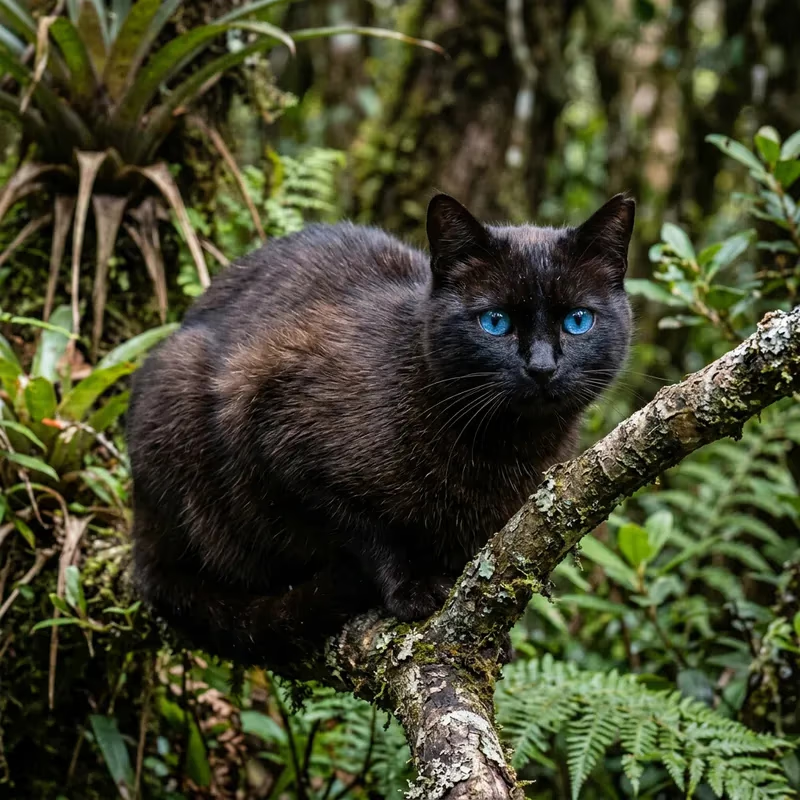
The wild cat 'Cornflower,' discovered in New Mexico, USA, in 1984, is the ancestor of all blue-eyed Ojos Azules. This breed possesses a unique gene that produces blue eyes regardless of coat color. Due to its rarity, it has not yet become widely spread globally. The CFA initiated a registration program in 1991, but breeding programs are currently restricted due to genetic issues (homozygous problems).
🏥 Medical Warnings
⚠ Hereditary Cranial and Skeletal Deformities
If the specific gene (OA gene) responsible for the Ojos Azules' blue eyes is expressed homozygously, it can cause severe congenital defects in kittens, such as cranial deformities, small tails, and white spotting, potentially leading to stillbirth. Only heterozygous cats are healthy and possess the distinctive blue eyes.
⚠ Risk of Deafness
Blue-eyed cats, especially those with white coats, are reported to have a slightly higher incidence of deafness. While Ojos Azules come in various coat colors, regular hearing tests are crucial to monitor for potential deafness associated with the blue eye gene.
🔎 Comparison of Blue-Eyed Cat Breeds by Gene Expression
🐾 Ojos Azules Daily Care & Health Management Protocol
Brush with a soft brush to remove dead hair and promote skin circulation
Early detection of potential genetic diseases and genetic counseling with a veterinarian
Brush with cat-specific toothbrush and toothpaste to prevent dental diseases
🎨 Recognized Colors
Blue eyes can manifest in all coat colors, but darker coats (such as black, tabby, and tortie) that contrast with the blue eyes are generally preferred. Small white markings on the paws and tail tip may be permissible.
💰 Maintenance
As a short-haired breed, coat maintenance is relatively easy. Brushing once or twice a week to remove dead hair is usually sufficient. However, due to their genetic characteristics, ongoing investment in health check-ups and genetic testing may be necessary.
“The Ojos Azules, true to its name, is a breed that captivates with its gem-like blue eyes. However, the unique gene responsible for this beauty can harbor a 'fatal bug.' As a master editor, I propose three debugging solutions to minimize this 'potential bug' and ensure stable system operation.”
1️⃣ Implement a 'Gene Code Review' System Continuously
If a specific gene (OA gene) in this breed is expressed homozygously, it can lead to severe 'hardware bugs' in kittens, such as cranial deformities and small tails. To ensure healthy future generations, genetic testing for the OA gene must be performed before adoption. For breeding, 'mandatory architecture locks' should be enforced, allowing only heterozygous cats to mate, thereby preemptively preventing the possibility of fatal bugs.
2️⃣ Apply an 'Interactive Environment Patch'
Ojos Azules are curious and intelligent cats. To prevent mental 'debuffs,' provide ample intellectual stimulation and activity space by incorporating various 'interactive objects' such as puzzle toys, cat trees, and scratching posts. This will serve as an effective 'software update' to reduce stress and prevent behavioral issues.
3️⃣ Automate 'Preventative Maintenance Routines'
Given its rarity, 'preventative maintenance' for potential health issues is crucial. Regular veterinary check-ups are essential for early detection of 'hidden bugs.' Collaborate closely with your veterinarian to establish a customized 'healthcare protocol.' Monitoring hearing and skeletal development is a mandatory 'checkpoint.'
Are you a royal Magic of Blue Eyes (Ojos Azules) too? Discover your inner cat personality!
Find your spirit cat that matches your personality in just 1 minute!