📊 5-Axis Feline Pentagon Radar & Breed Stats
📋 Physical Specs & Habits
♀ 3.0~5.5kg
📜 History & Lineage
📍 Origin: Montana, USA (1987)
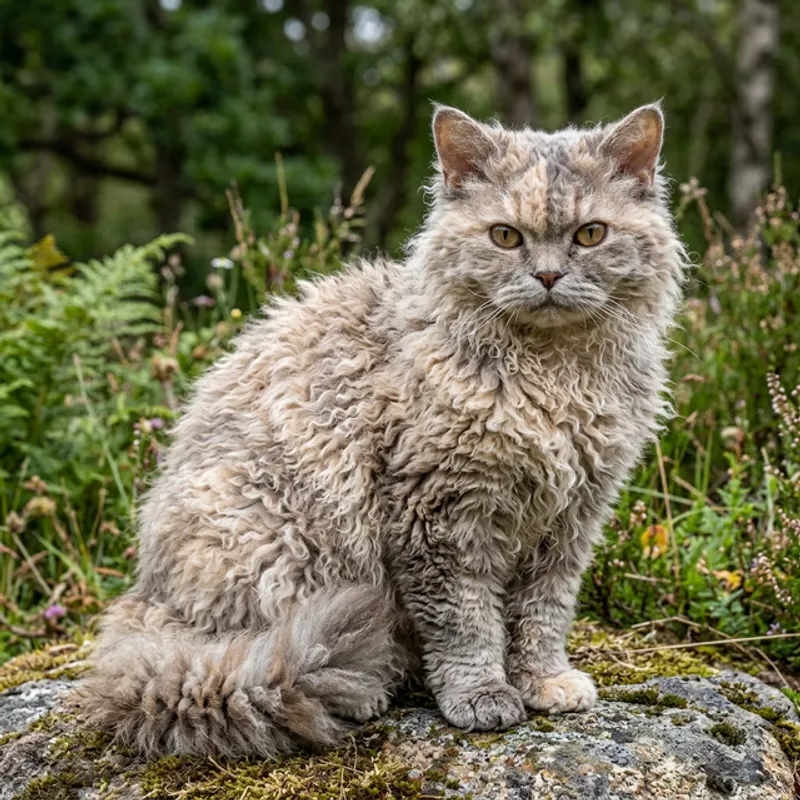
The history of the Selkirk Rex began in 1987 when a unique curly-coated kitten named 'Miss DePesto' was discovered in a shelter in Montana, USA. This kitten was the result of a spontaneous genetic mutation. Subsequently, through crossbreeding with Persians, Exotic Shorthairs, and British Shorthairs, the breed evolved into the Selkirk Rex we know today. Characterized by their distinctive curly coat, which earned them the nickname 'the cat in sheep's clothing,' they are known among the Rex breeds for their sturdy build and robust skeletal structure.
🏥 Medical Warnings
⚠ Polycystic Kidney Disease (PKD)
Due to their breeding history with Persians and Exotic Shorthairs, Selkirk Rex cats may carry the PKD gene. This condition involves the formation of fluid-filled cysts in the kidneys, which can lead to reduced kidney function. Regular ultrasound screenings are recommended.
⚠ Hypertrophic Cardiomyopathy (HCM)
This is a heart condition where the walls of the heart muscle thicken, impairing cardiac function. It is often linked to specific genetic factors, making early detection and management through regular cardiac examinations (echocardiograms) crucial.
🧬 Comparative Analysis Table of Rex Cat Breeds
🏥 Selkirk Rex Maintenance Care & Dietary Guide
Gently detangle with a wide-toothed comb or fingers. Avoid brushing when fur is wet.
Use a hypoallergenic shampoo that does not cause skin dryness. Towel dry thoroughly, then use a low-heat dryer until completely dry (prone to matting).
Due to potentially lower activity levels, provide a measured amount of food and monitor weight regularly. Increase activity through playtime.
🎨 Recognized Colors
All colors and patterns are possible, with eye color varying depending on coat color, including silver, gold, blue, cream, and tabby.
💰 Maintenance
Their curly coat is prone to tangling, requiring gentle brushing 2-3 times a week. During shedding season, extra attention is needed. Regular bathing can contribute to healthy skin and coat management. Additionally, costs for routine health check-ups to monitor for genetic conditions may arise.
“It's time to delve into the Selkirk Rex with a keen eye. This 'cat in sheep's clothing' offers endless comfort with its soft, curly coat and patient temperament. However, even this charming 'architecture' has its hidden 'bugs' and 'debuffs.' From unique coat care challenges to genetic vulnerabilities, we propose three key solutions for stable system operation.”
1️⃣ Establish a "Curly Coat Precision Management Architecture"
The Selkirk Rex's curly coat is prone to 'bugs' if managed with conventional grooming rules. Forcibly brushing can break or damage their fur. The key is to gently detangle knots with your fingers or a wide-toothed comb rather than brushing when the fur is dry. Establish an 'architecture' that maintains healthy skin and a luxurious coat through regular 'hypoallergenic shampoo coding' and a thorough drying process.
2️⃣ Activity Enhancement Protocol to Counter the "Relaxed Debuff"
Thanks to their relaxed and patient temperament, Selkirk Rex cats may have lower activity levels, making them susceptible to the 'obesity bug.' This is a critical 'debuff' that can lead to various health issues. Implement 'hunting play sessions' for at least 15-20 minutes, twice a day, to boost physical activity. Diversifying their 'play algorithm' with toys like wand teasers or treat puzzles can be highly effective.
3️⃣ Activate an Early Detection System for "Hidden Debuffs"
Due to their genetic background, Selkirk Rex cats can be vulnerable to 'hidden debuffs' such as Polycystic Kidney Disease (PKD) or Hypertrophic Cardiomyopathy (HCM). These are 'background processes' that are difficult to detect before symptoms manifest, so it is crucial to perform regular 'health scans (check-ups)' once every 1-2 years, regardless of symptom presence. Especially for middle-aged or older cats, cardiac ultrasounds or kidney examinations are vital to 'patch' potential 'system errors' early.
Are you a royal Cat in Sheeps Clothing (Selkirk Rex) too? Discover your inner cat personality!
Find your spirit cat that matches your personality in just 1 minute!