📊 5-Axis Feline Pentagon Radar & Breed Stats
📋 Physical Specs & Habits
♀ 3.0~5.0kg
📜 History & Lineage
📍 Origin: Ankara region, Turkey
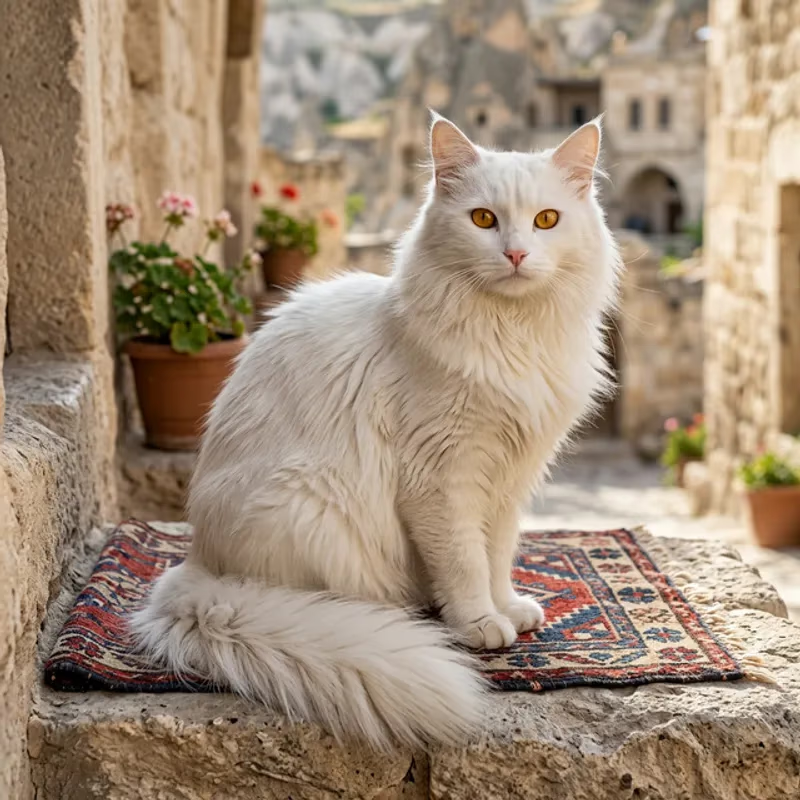
One of the world's oldest naturally occurring long-haired cat breeds. The Turkish Angora was cherished by nobility and royalty during the Ottoman Empire in the 15th century. It spread to Europe in the 17th century, becoming a crucial genetic foundation for the development of other long-haired breeds, including the Persian. Although briefly facing extinction in the mid-20th century, dedicated conservation efforts by the Ankara Zoo in Turkey ensured the survival and preservation of this magnificent breed.
🏥 Medical Warnings
⚠ Genetic Hearing Loss
Turkish Angoras, particularly those with white coats, blue eyes, or odd eyes, have a higher genetic predisposition to hearing impairment. If you notice delayed responses or indifference to specific sounds, it is advisable to consult a veterinarian for a thorough examination.
⚠ Paroxysmal Ataxia
A rare genetic disorder occasionally observed in Turkish Angora kittens, characterized by loss of balance and tremors. While there is currently no cure, symptomatic management can significantly improve their quality of life.
🇹🇷 Turkish Angora vs. Turkish Van Comparison Chart
Lake Van Region, Turkey
🏥 Turkish Angora Maintenance, Care & Play Protocol
Brush gently with a soft brush to prevent tangles in their fine coat; daily brushing recommended during shedding seasons.
Satisfy their ample energy with hunting-instinct stimulating games like laser pointers and feather wands.
🎨 Recognized Colors
Beyond their iconic pure white coat, Turkish Angoras exhibit a wide array of solid colors including black, blue, red, and cream, as well as various tabby, bi-color, and parti-color patterns.
💰 Maintenance
Moderate to high maintenance. While their minimal undercoat reduces tangling, regular brushing 2-3 times a week is essential. Given their active nature and fondness for high places, providing ample vertical space and engaging playtimes is crucial for their well-being.
“The "Regal Dancer" Turkish Angora captivates with their charming performances, yet managing their delicate "internal architecture" is essential. Behind their high intelligence and self-esteem lie potential challenges: a "selective affection bug," a genetic "hearing impairment debuff," and an "activity energy overflow." These can introduce unexpected "errors" into your human-pet dynamic. To optimize their "software" and stabilize their "hardware," we propose three key solutions.”
1️⃣ Patching the 'Selective Affection' Bug: Establish a 'Selective Interaction' Protocol
The Turkish Angora's aloofness stems from their inherent "agency." Unilateral affection initiated by the human can lead to a "rejection" error. Establish a "selective interaction" protocol that encourages them to approach you first. Utilize "clicker training" or "smart feeders" to "lock in" positive experiences and provide opportunities for them to "connect" on their terms, thereby building a trust-based relationship.
2️⃣ Optimizing the 'Hearing Impairment' Debuff: Implement a 'Multimodal Communication' System
Individuals with white coats, blue eyes, or odd eyes may possess a "hearing function impairment" hardware debuff. Relying solely on auditory communication can easily result in "information loss" bugs. Introduce a "multimodal communication" architecture incorporating visual cues (e.g., hand signals, facial expressions) and tactile feedback (e.g., vibration-based toys) to enhance the reliability of information transfer and facilitate seamless "data synchronization" with your feline companion.
3️⃣ Unleashing 'Activity Energy' Throttle: Expand 'High-Altitude Exploration Infrastructure'
Turkish Angoras are "explorer" types with abundant energy, delighting in observing the world from elevated vantage points. Confined spaces can trigger "stress bugs" and lead to "behavioral issues." Ensure system stability by building ample "high-altitude exploration infrastructure" such as wall shelves, ceiling-height cat trees, and catwalks. This allows them to positively expend their energy and experience "territory mastery."
Are you a royal Haughty Dancer (Turkish Angora) too? Discover your inner cat personality!
Find your spirit cat that matches your personality in just 1 minute!