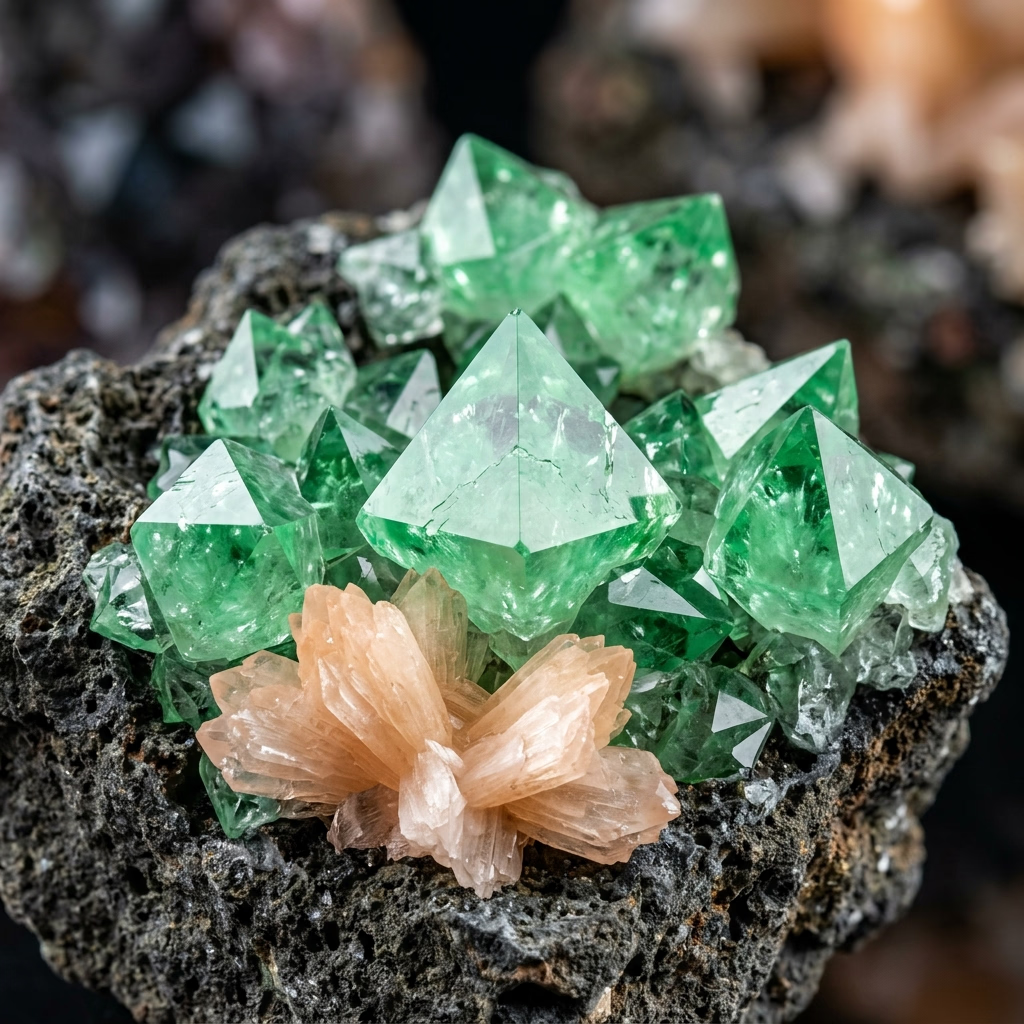
Origins & History: The Stone that Flakes in Fire
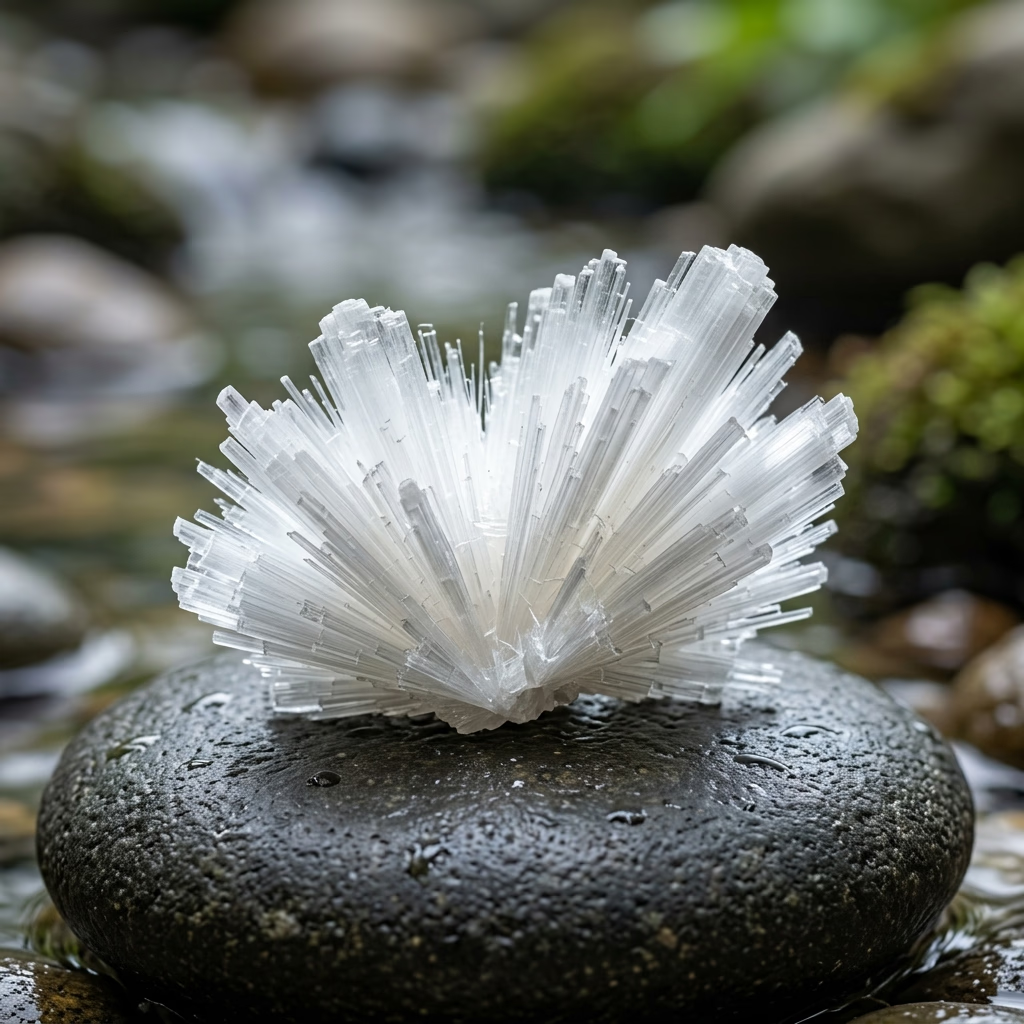
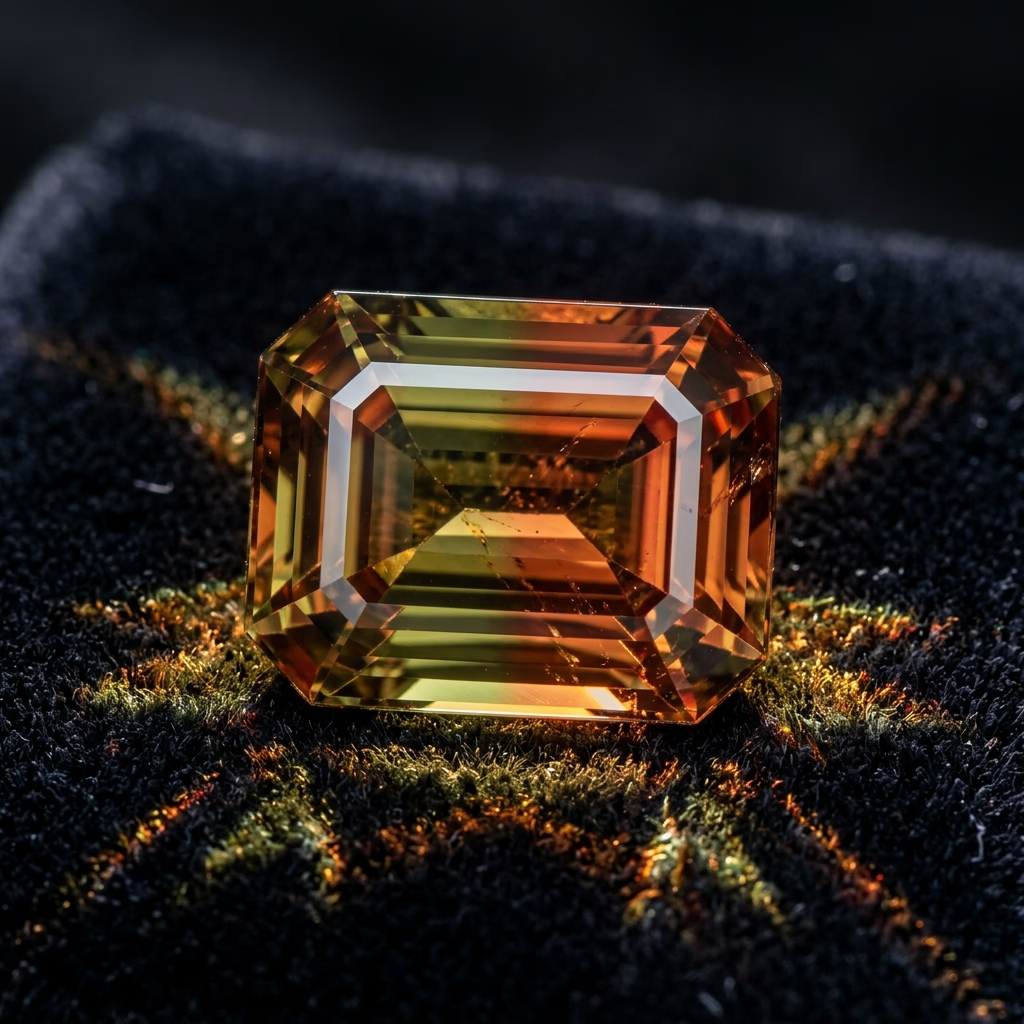
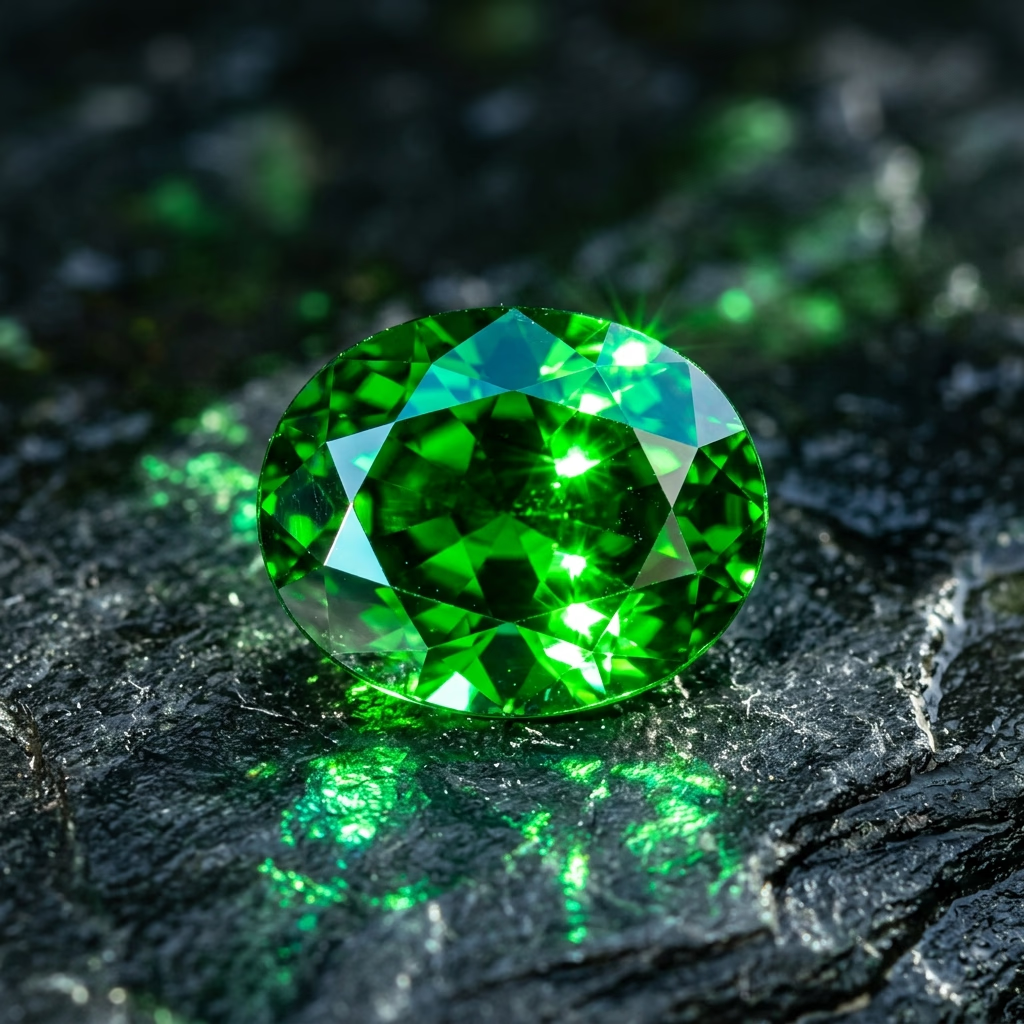
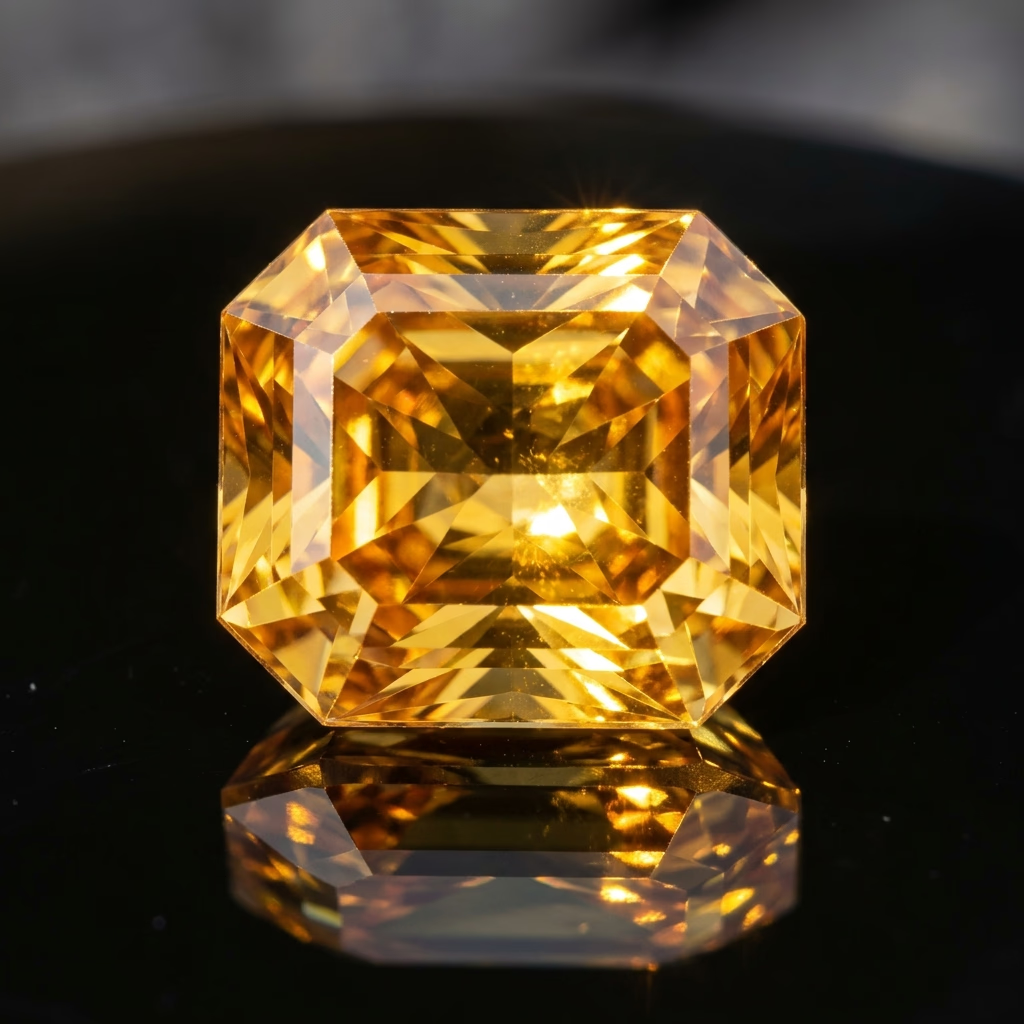
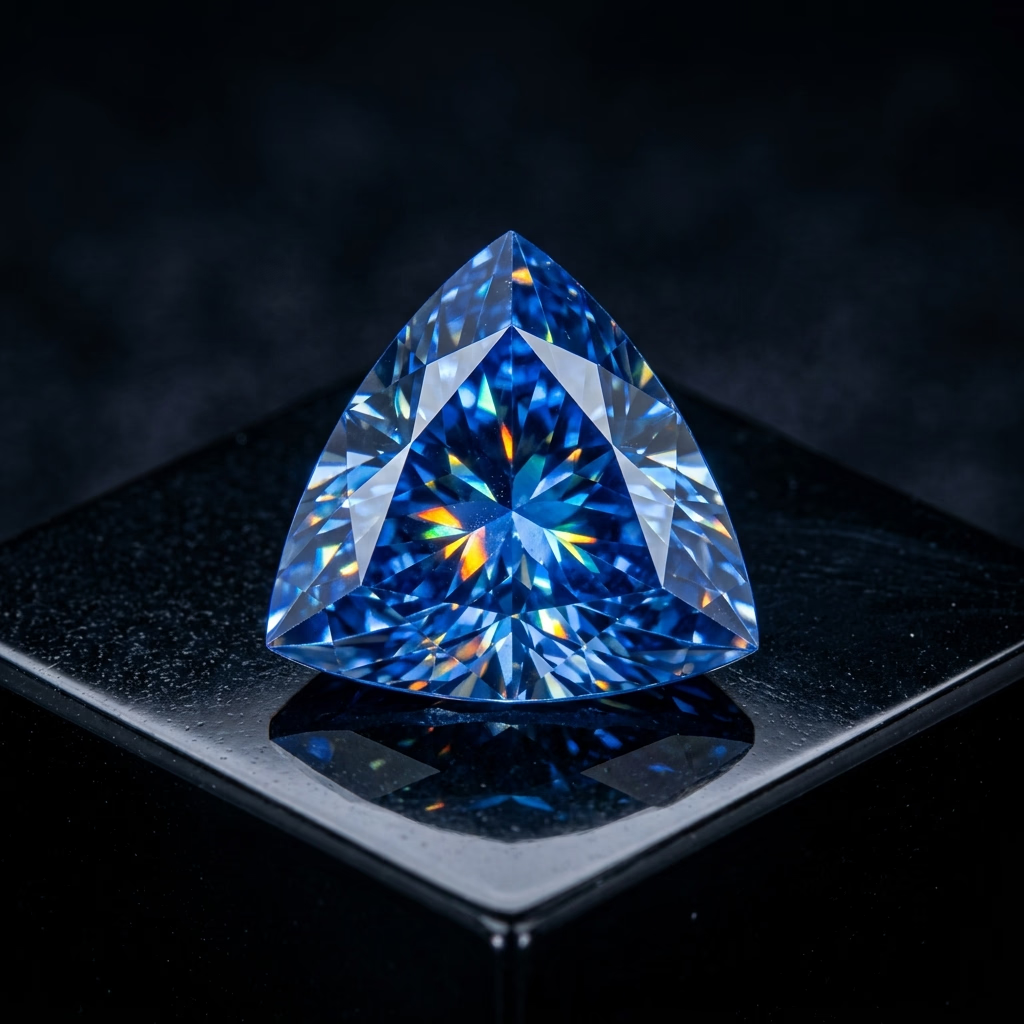
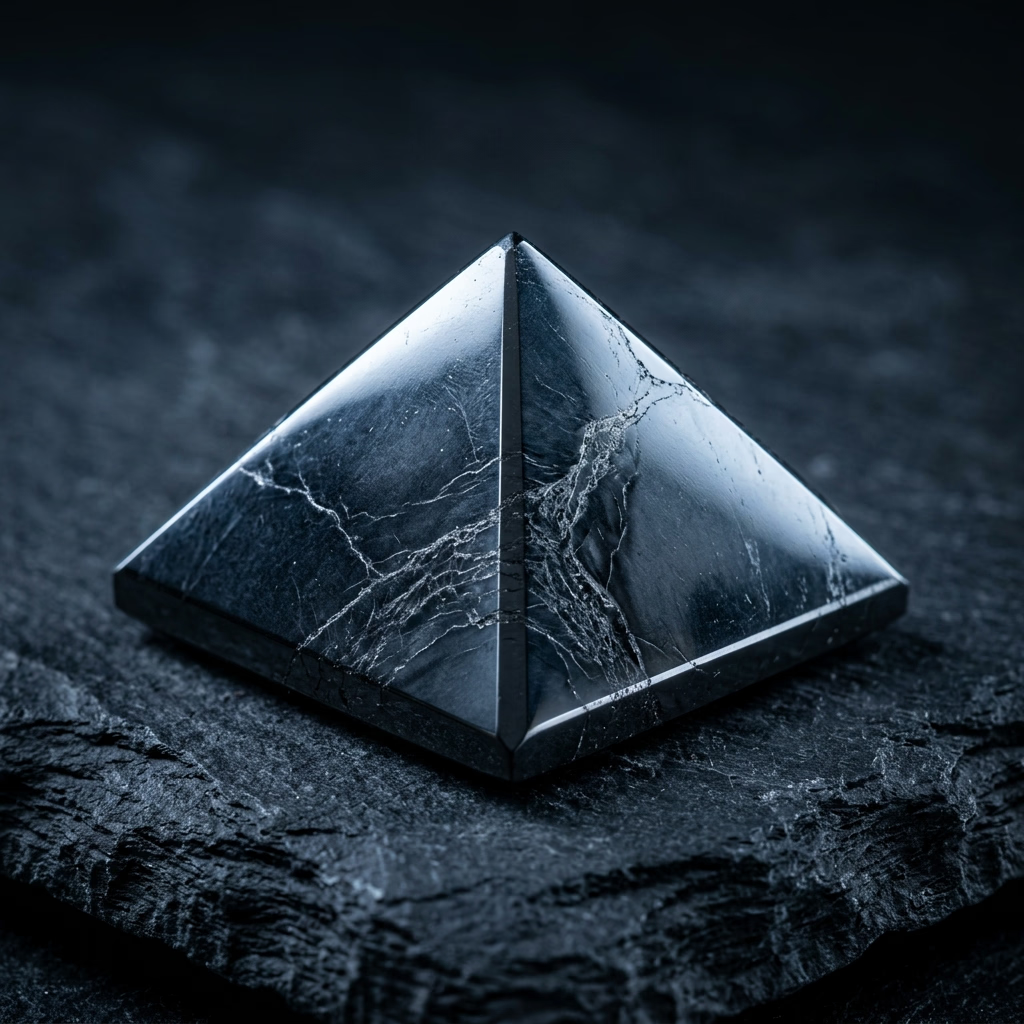
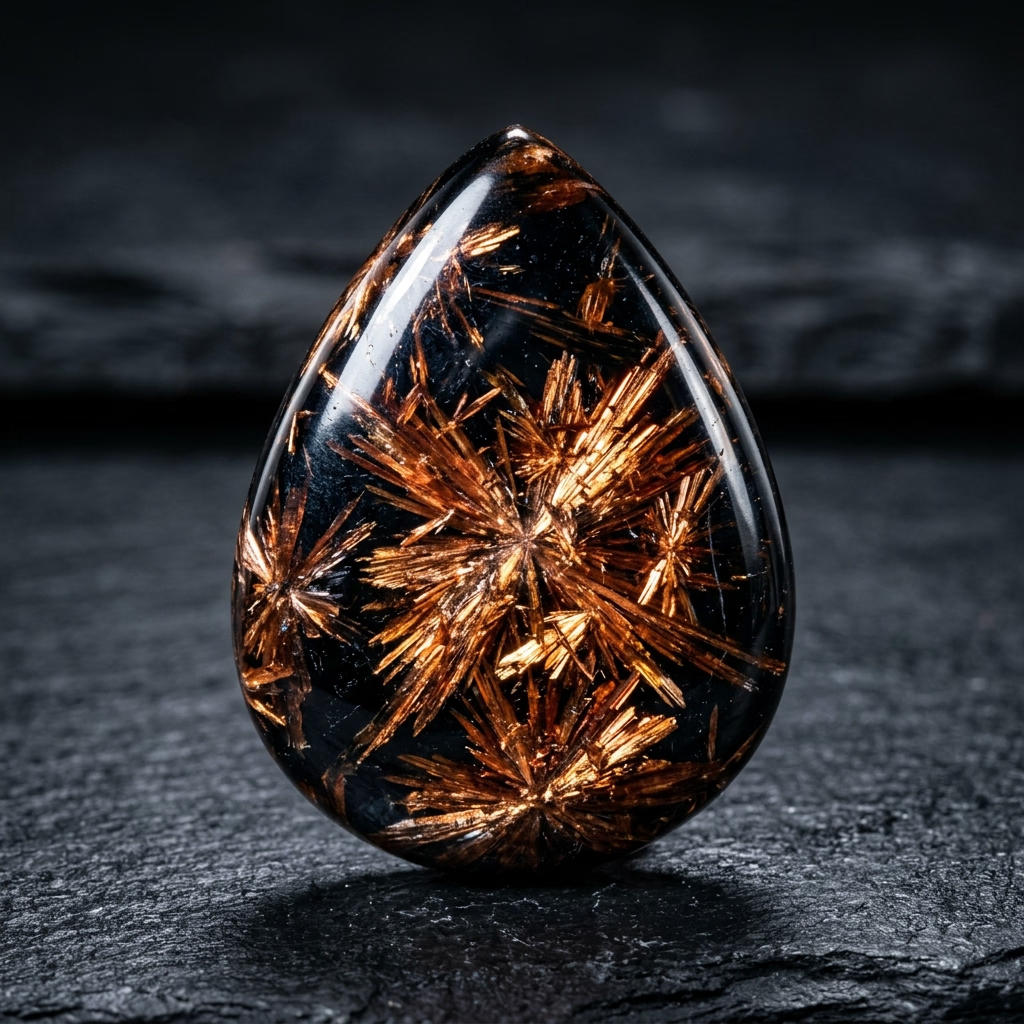
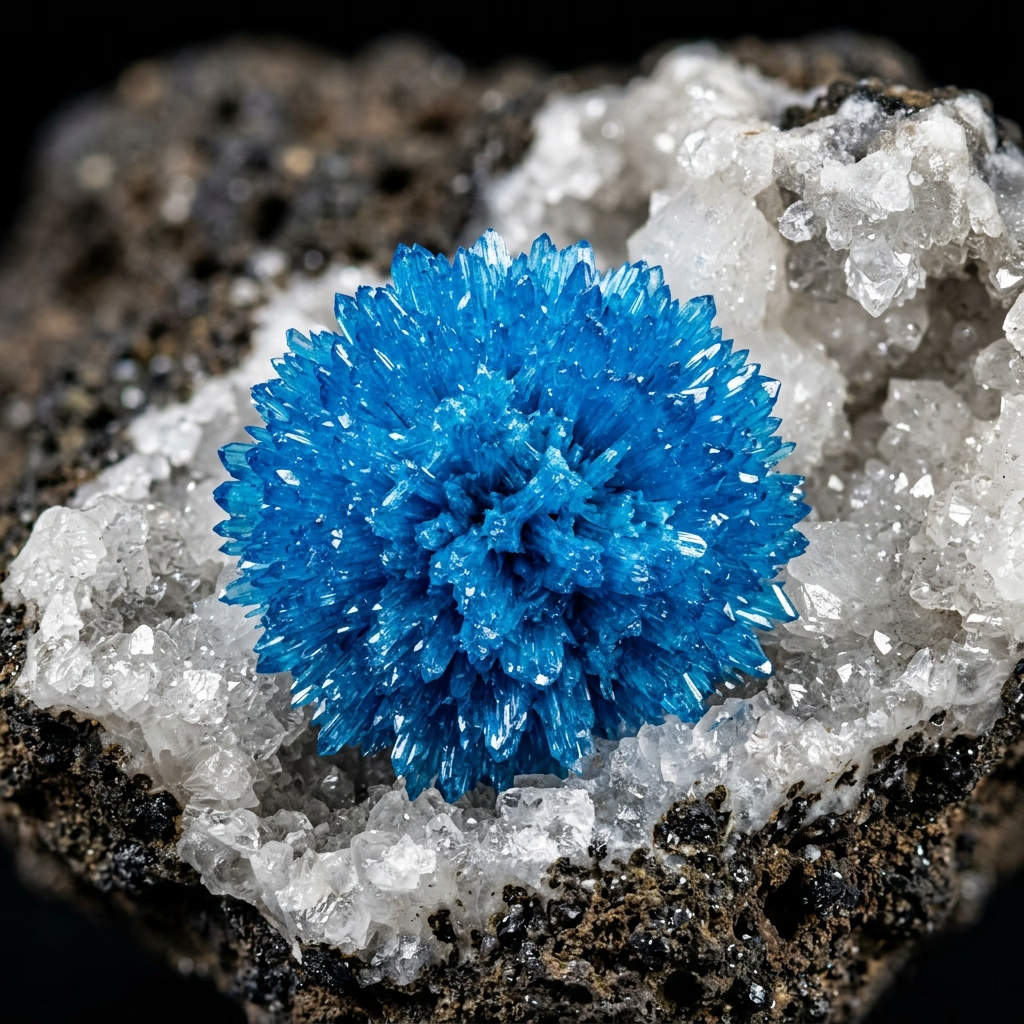
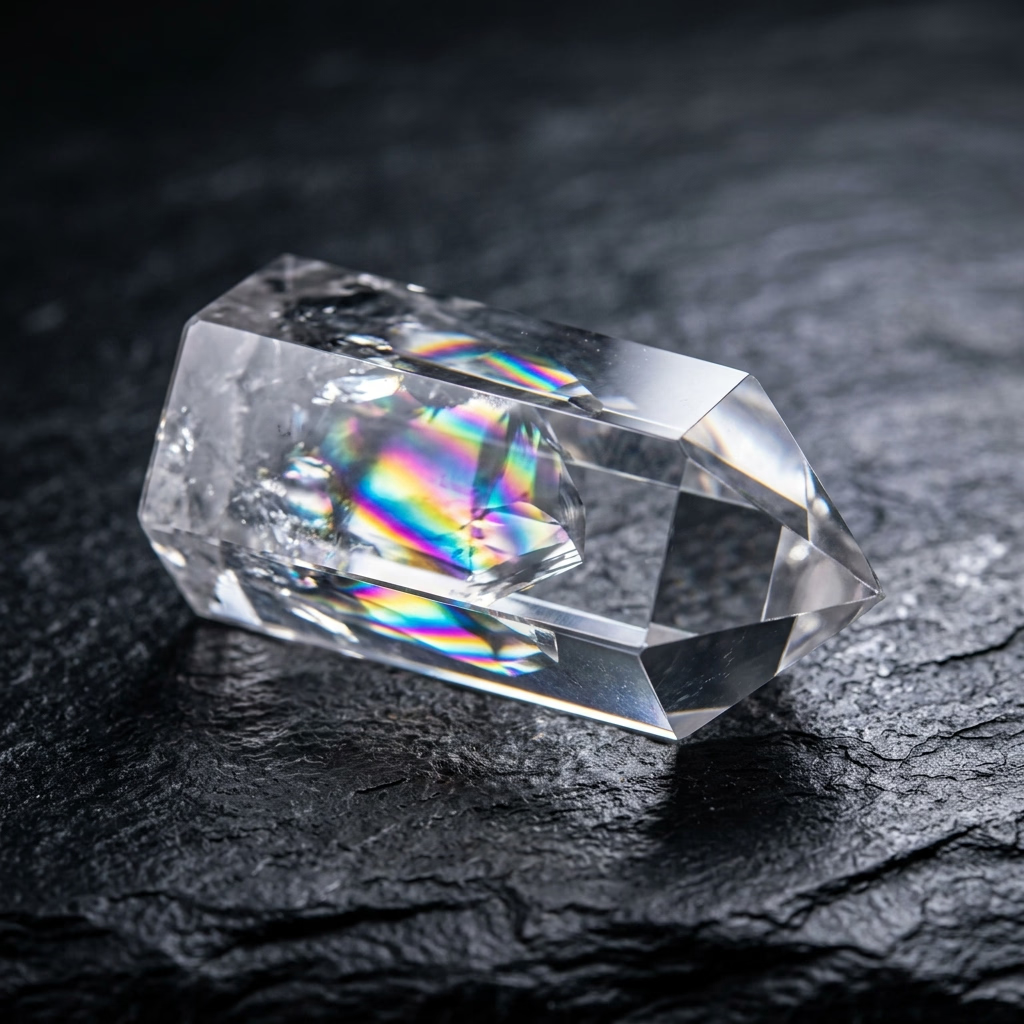
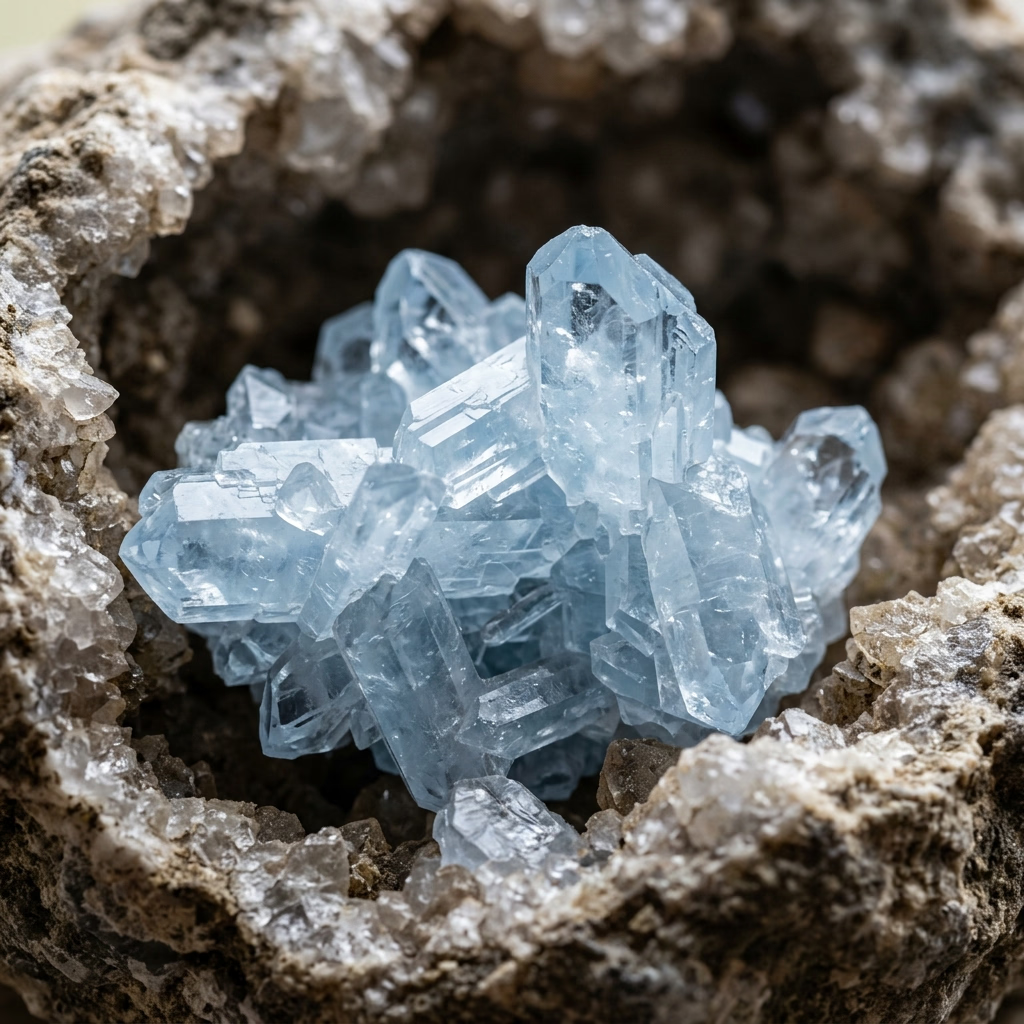
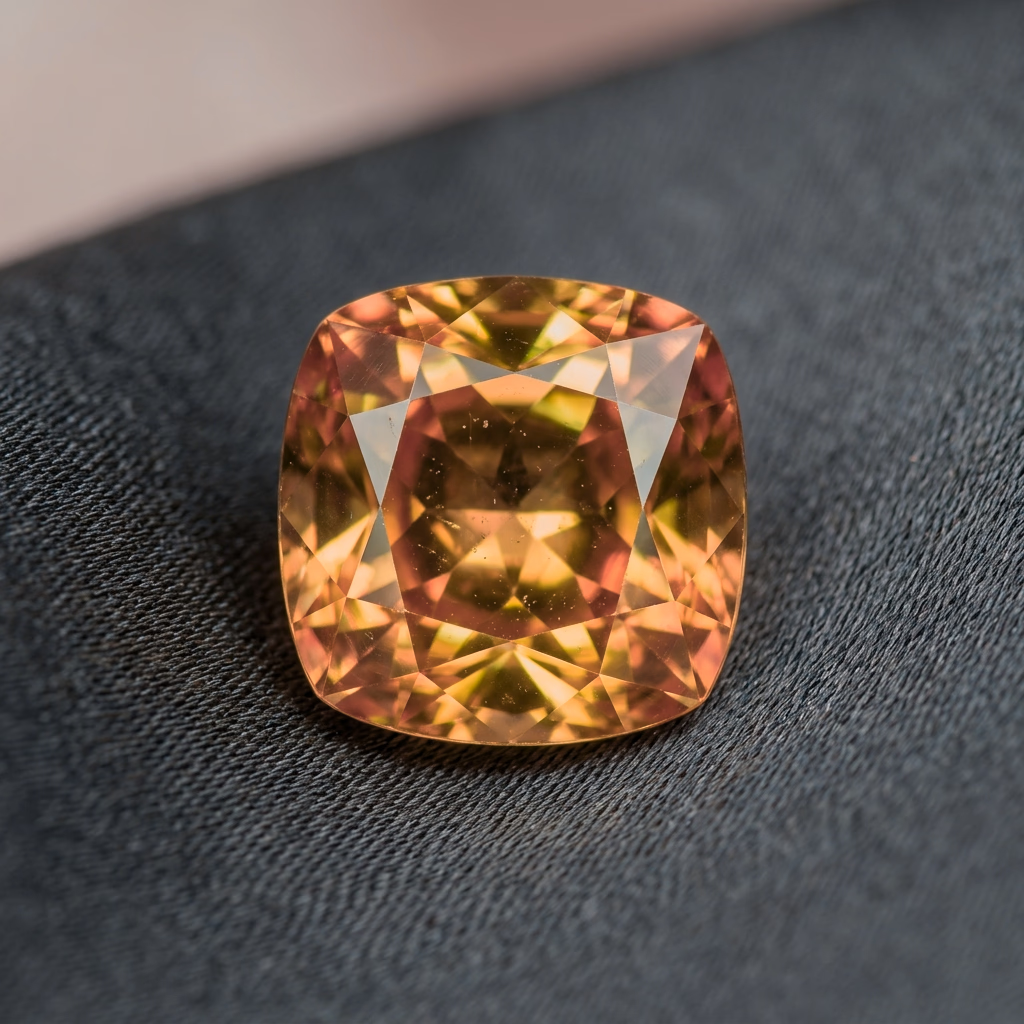
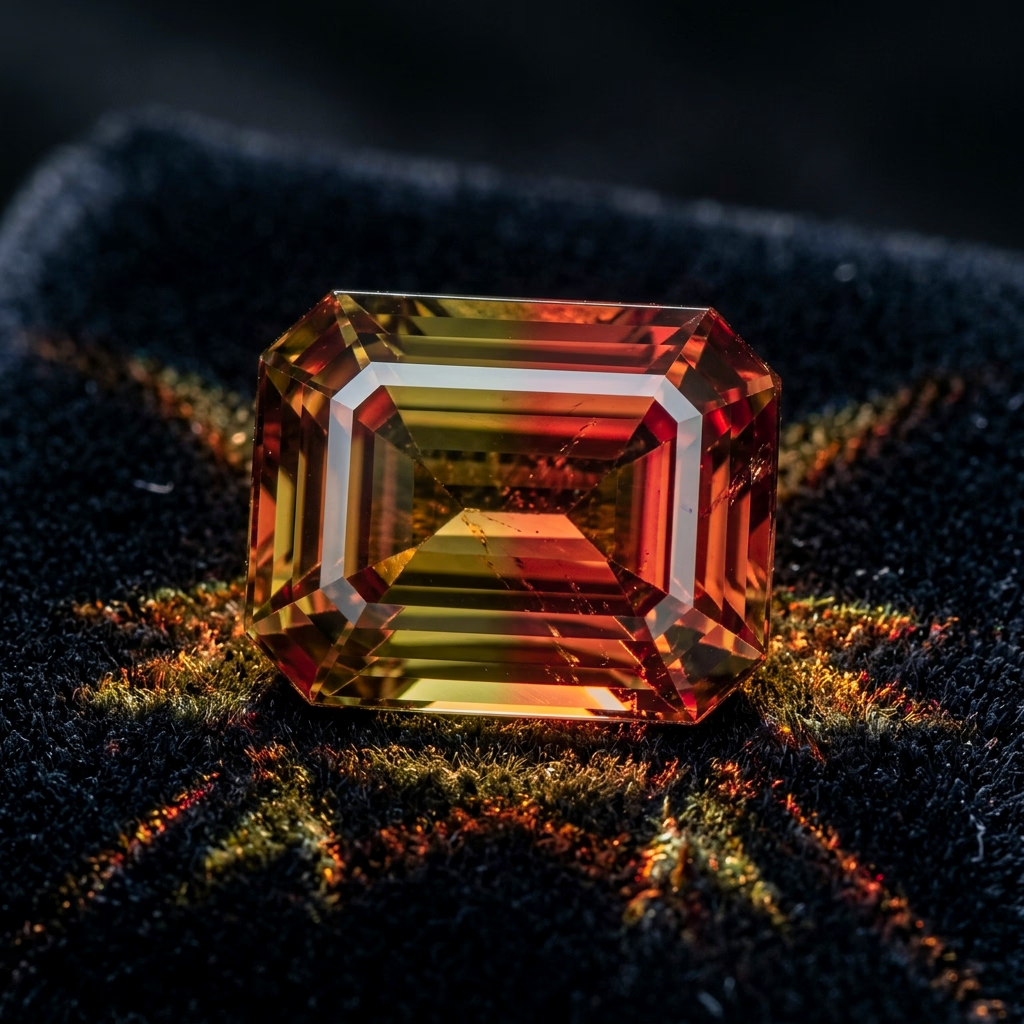
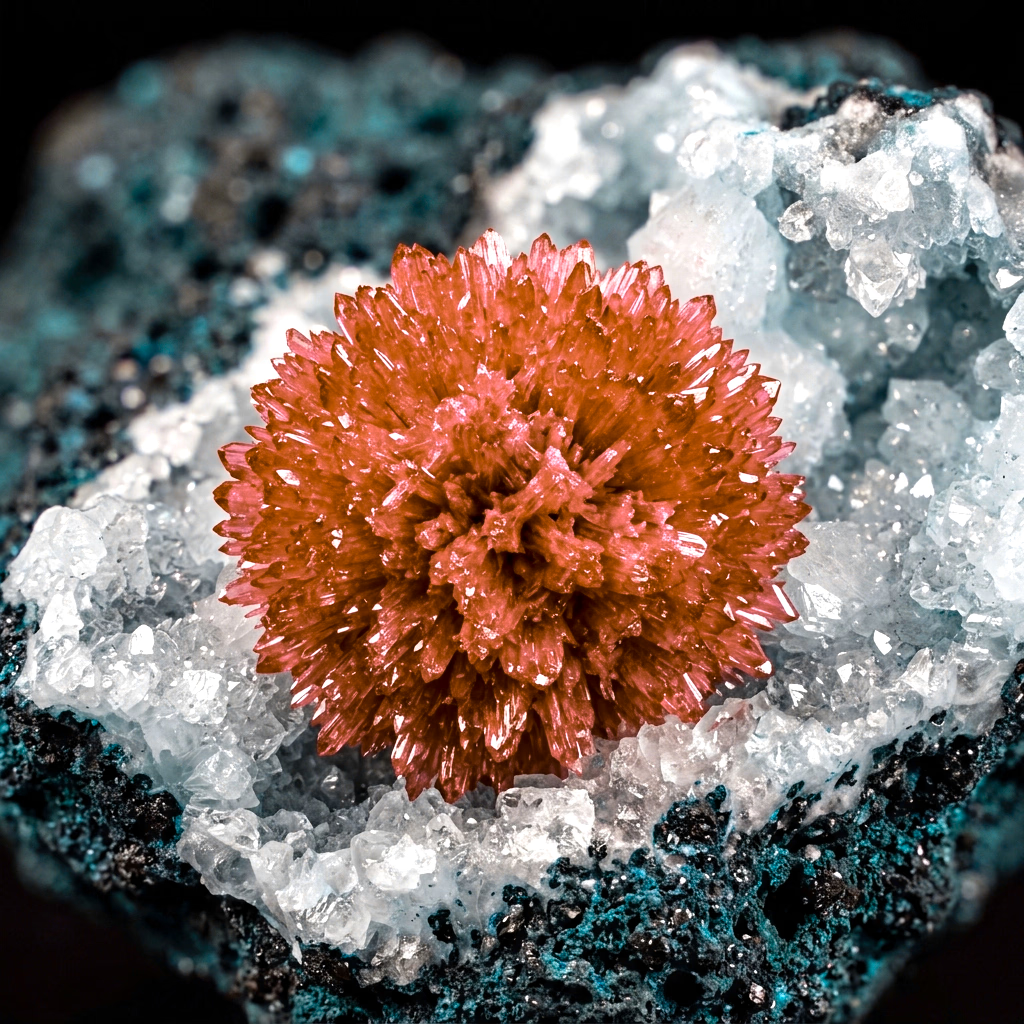
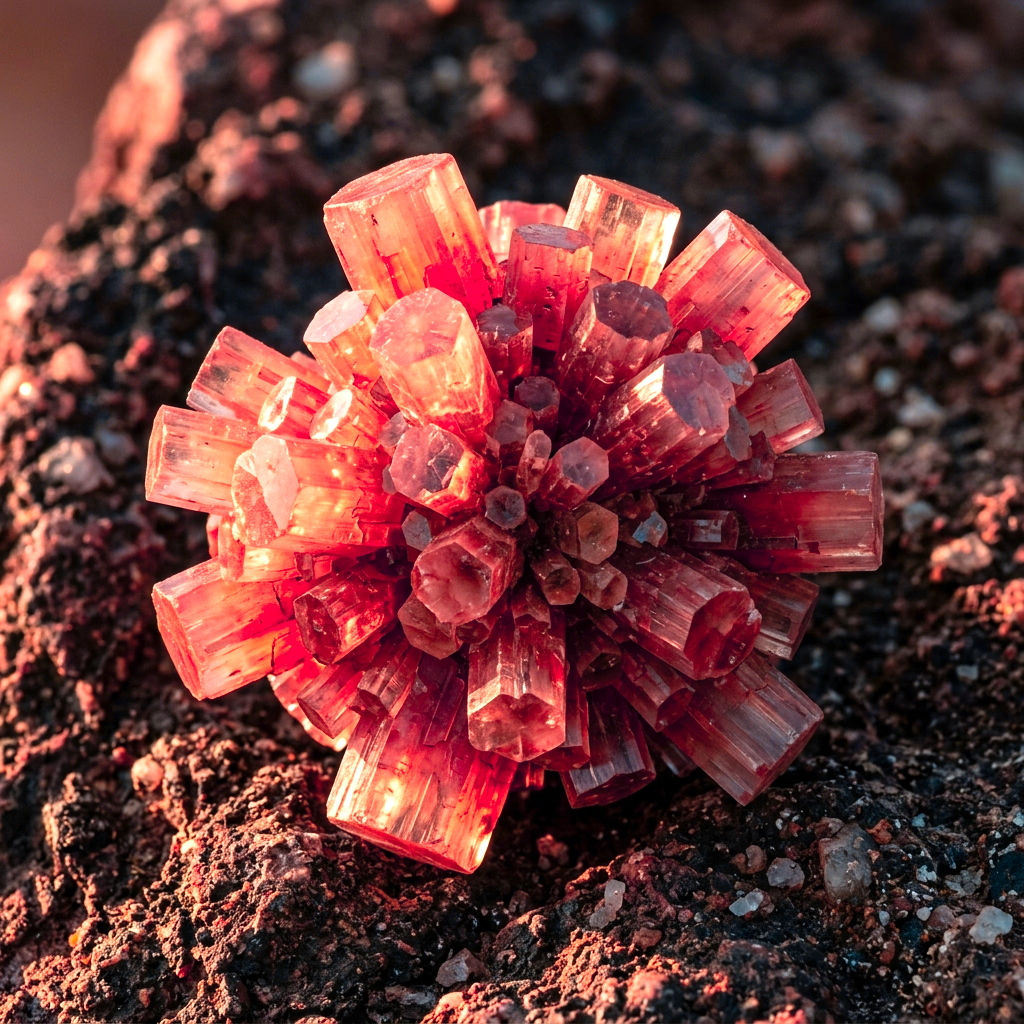
The name Apophyllite derives from the Greek apo (away from) and phyllon (leaf), describing its dramatic behavior under heat: as its interior water vaporizes, the crystal exfoliates like dry autumn leaves. Ancient Vedic sages in India kept these natural pyramids in hermitage caves to facilitate samadhi (transcendental absorption). In 19th-century Europe, natural history museums fought passionately for Pune specimens, revering their pristine tetragonal geometry as miracles of sacred mineral architecture.