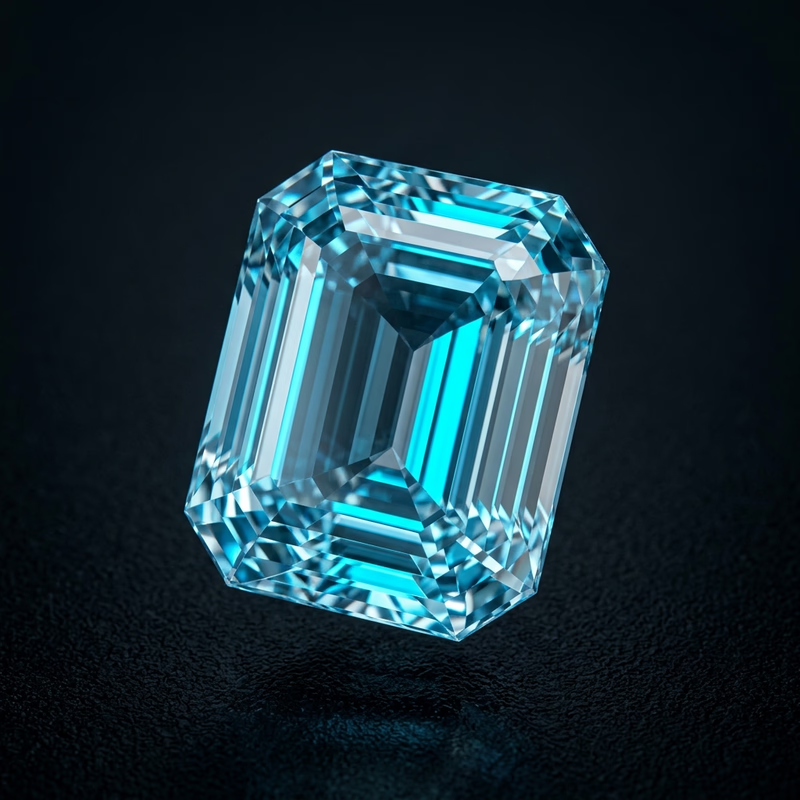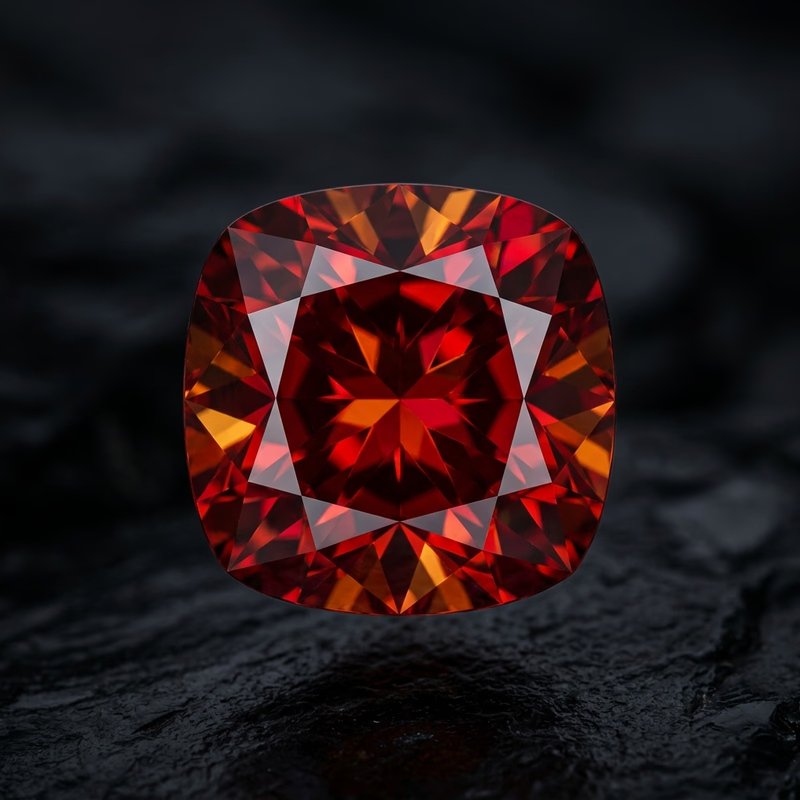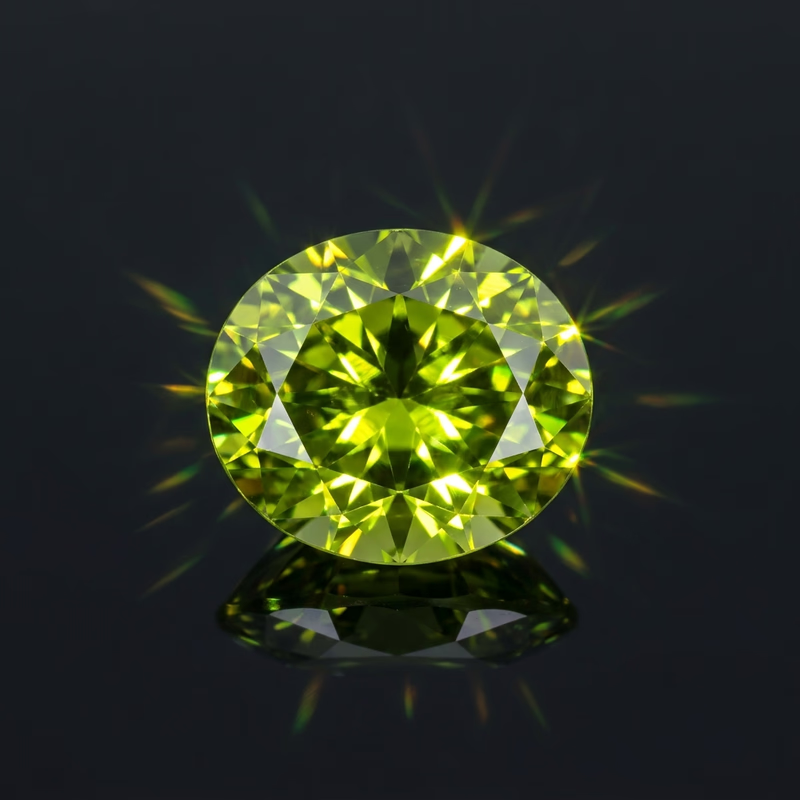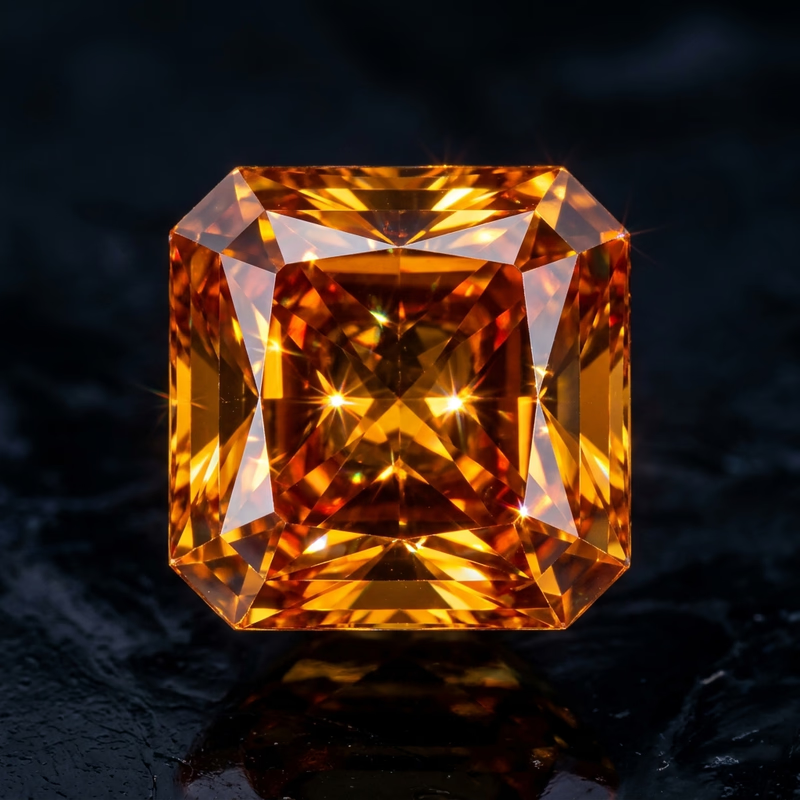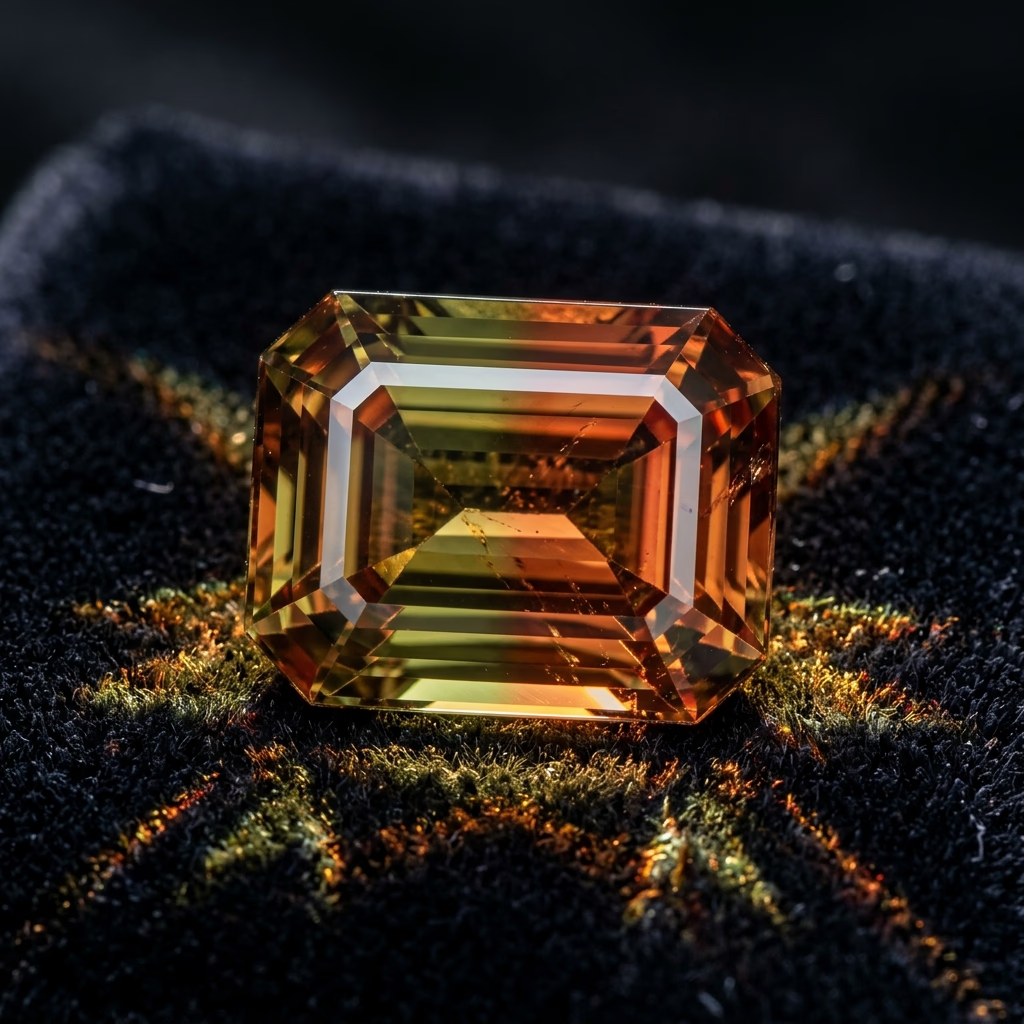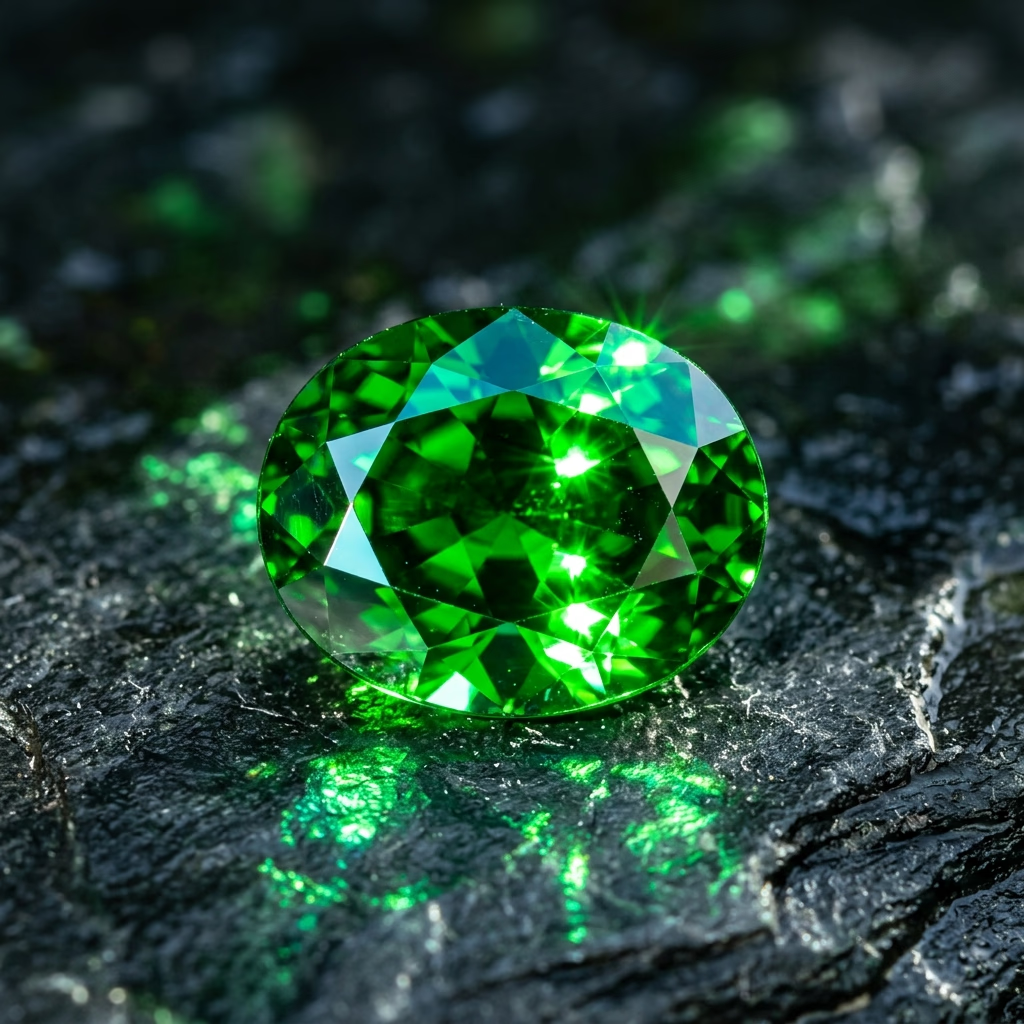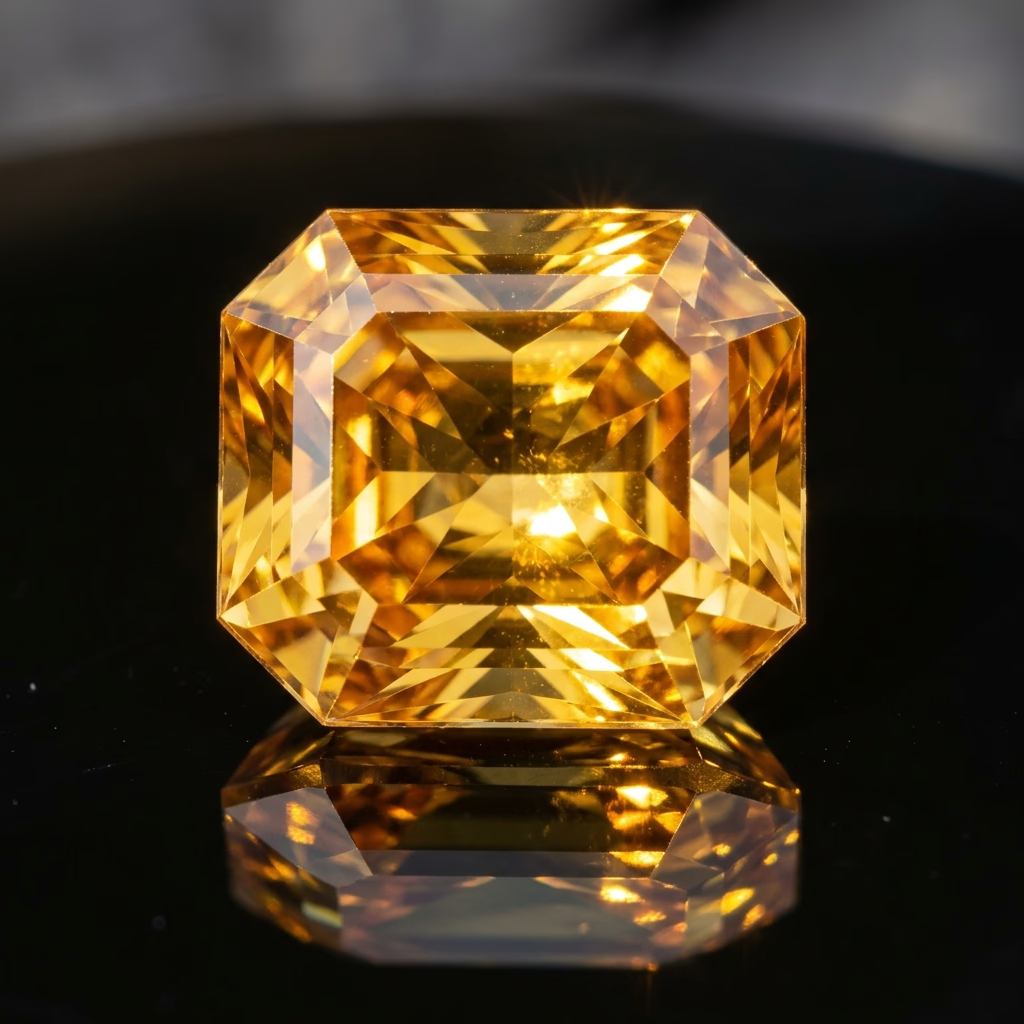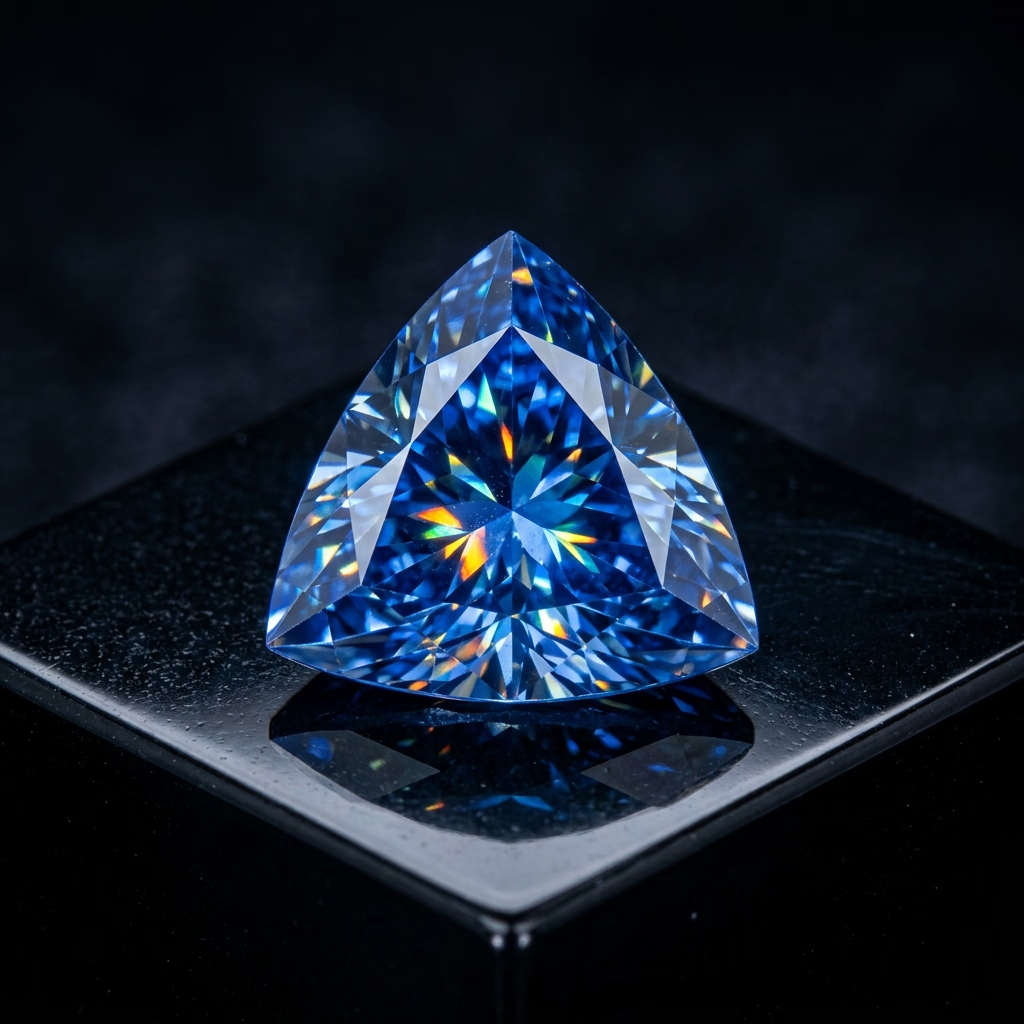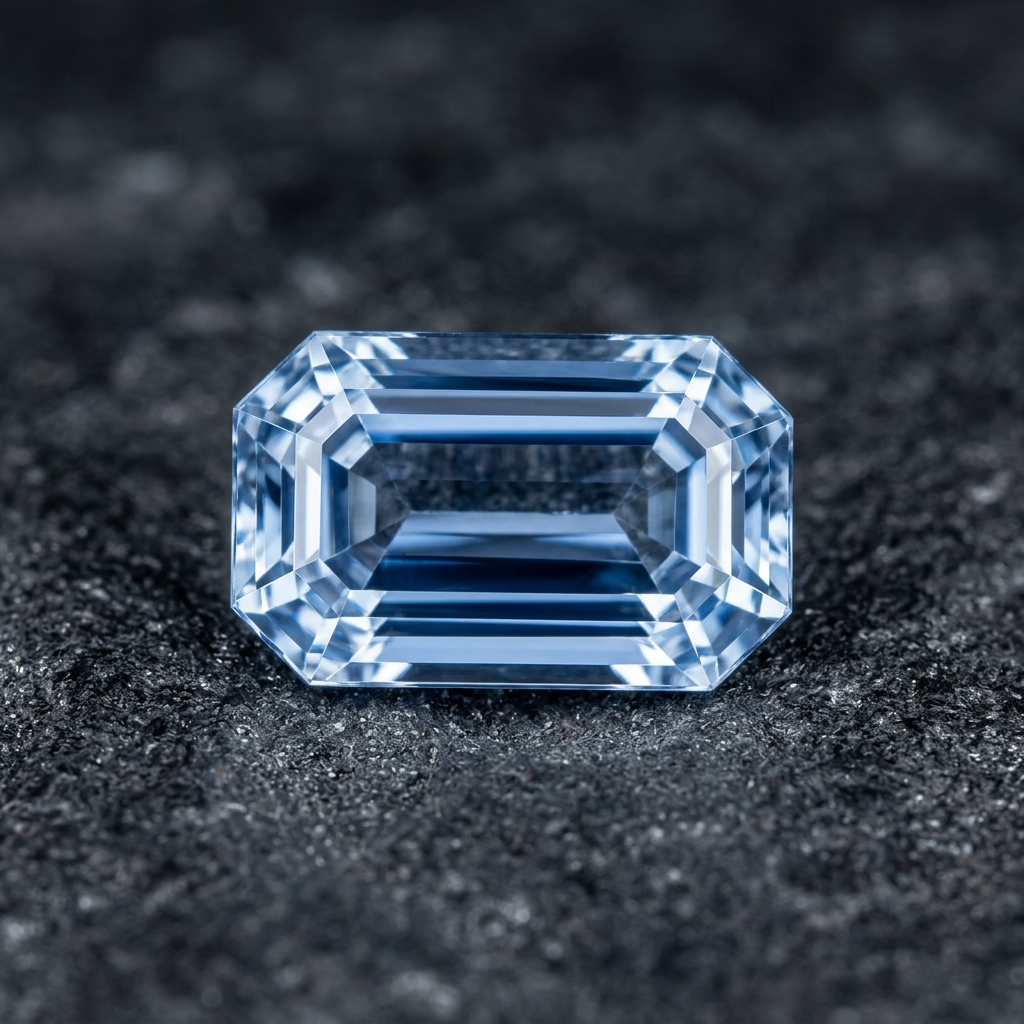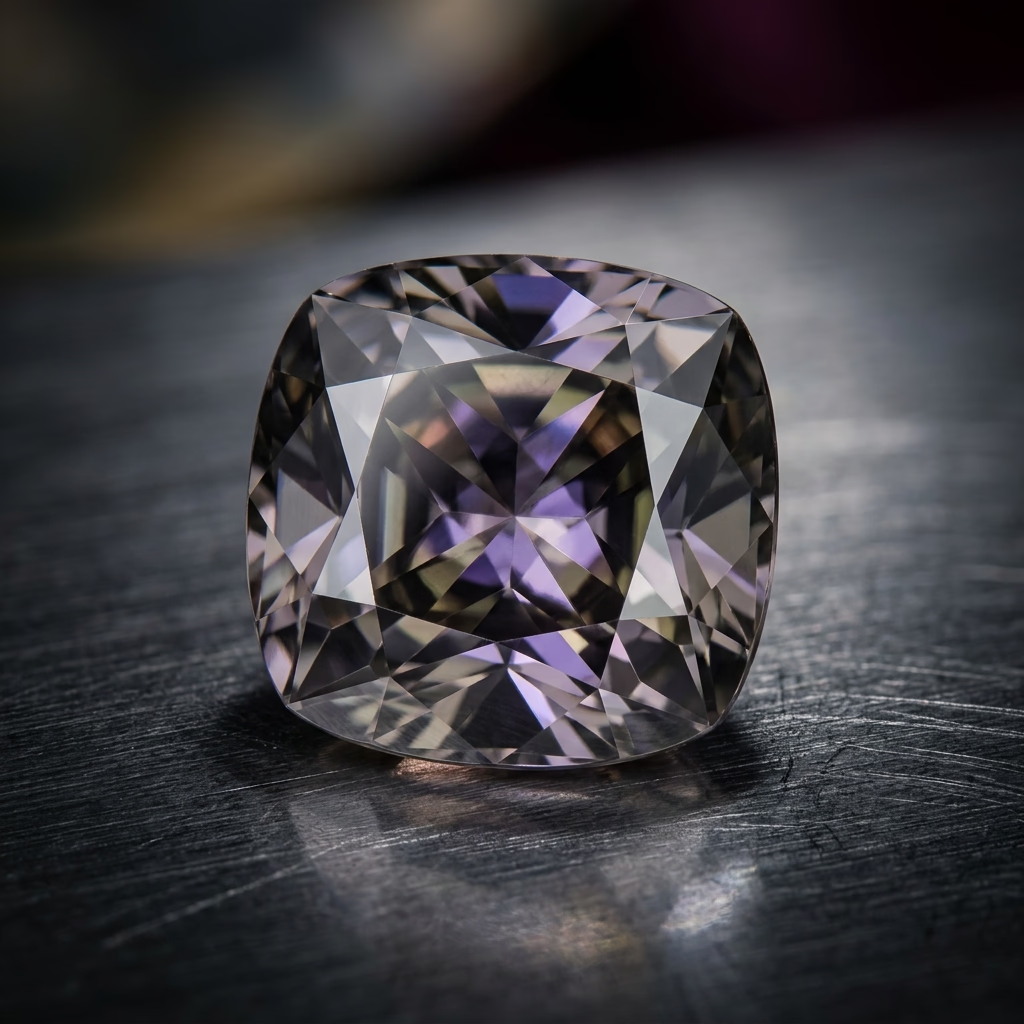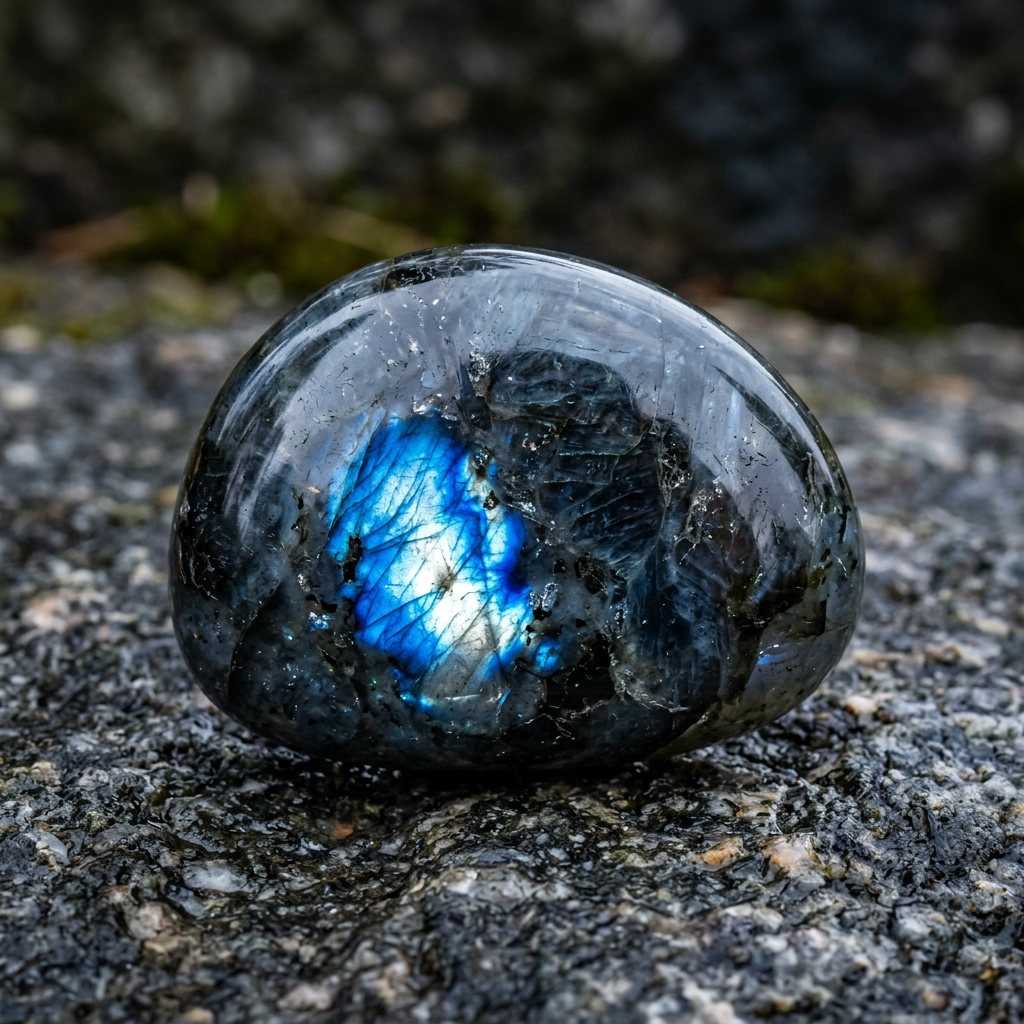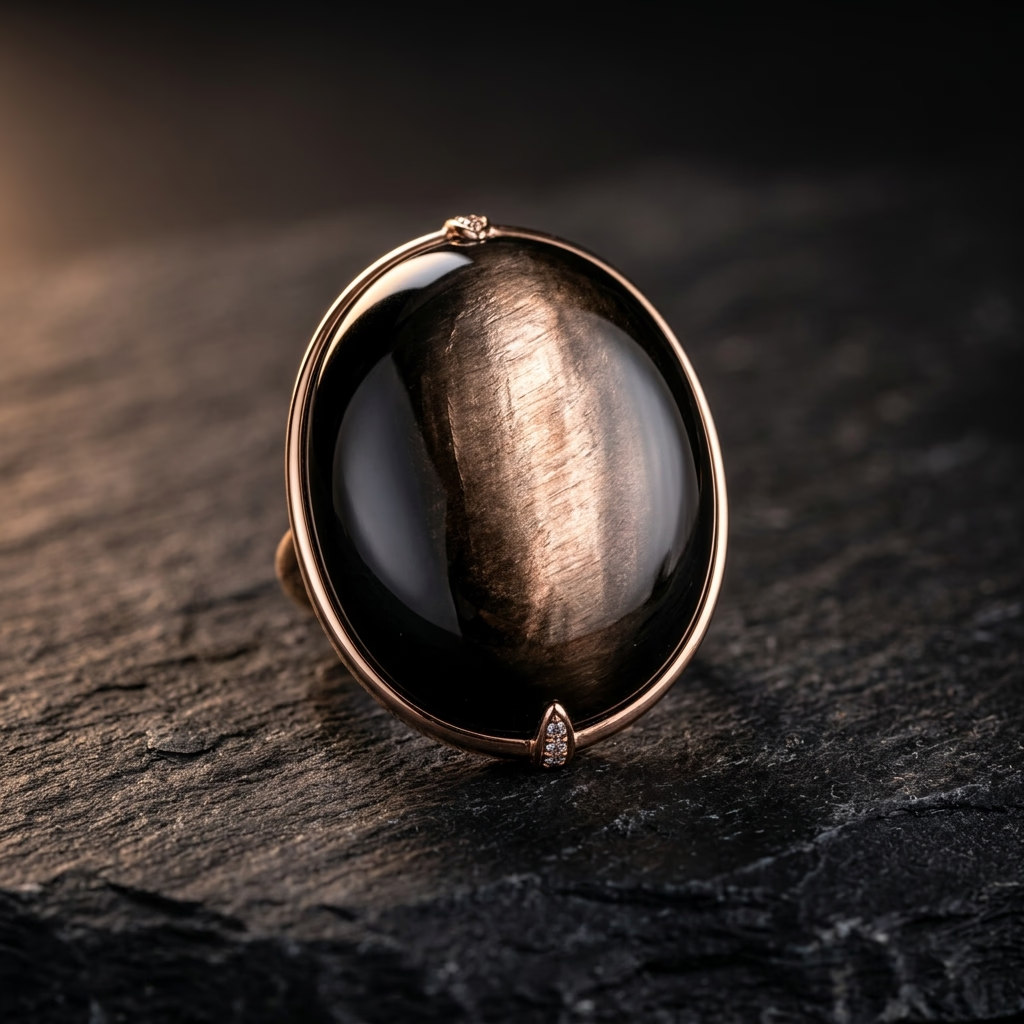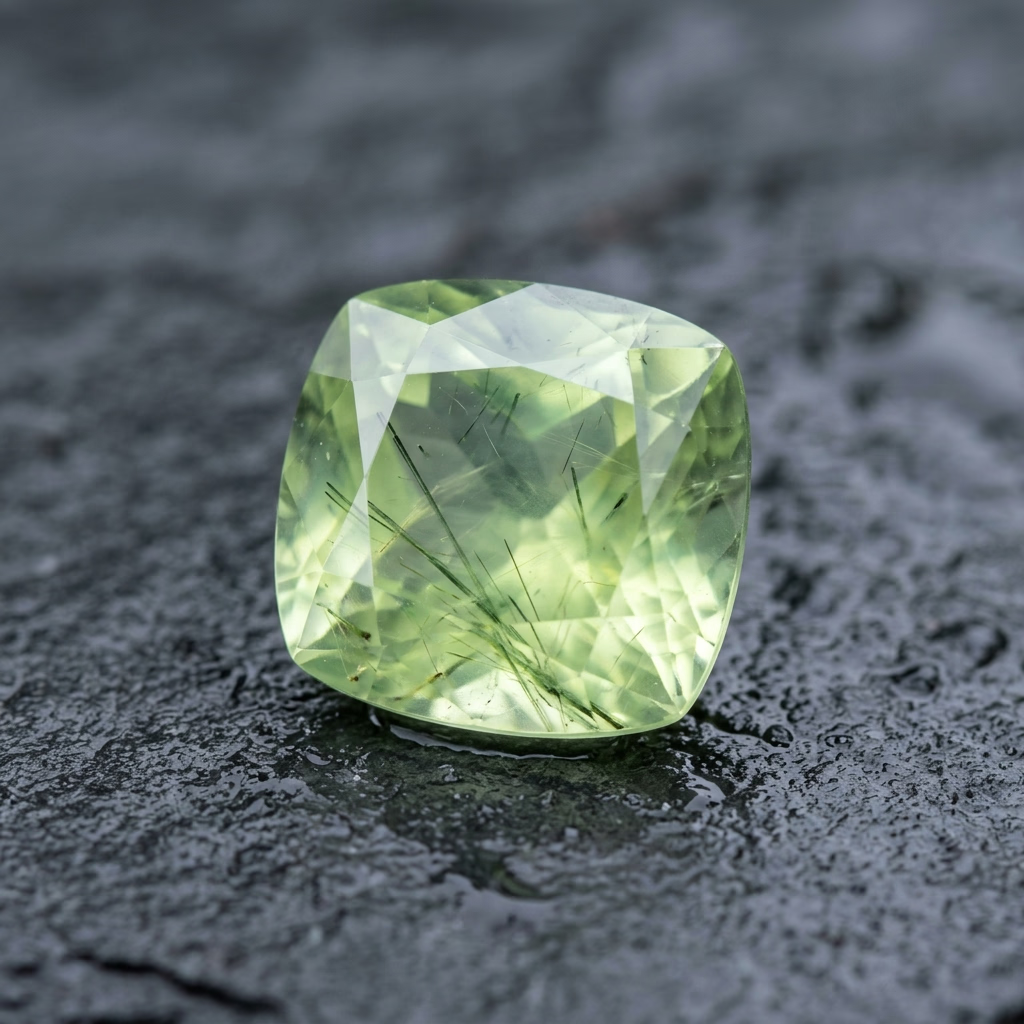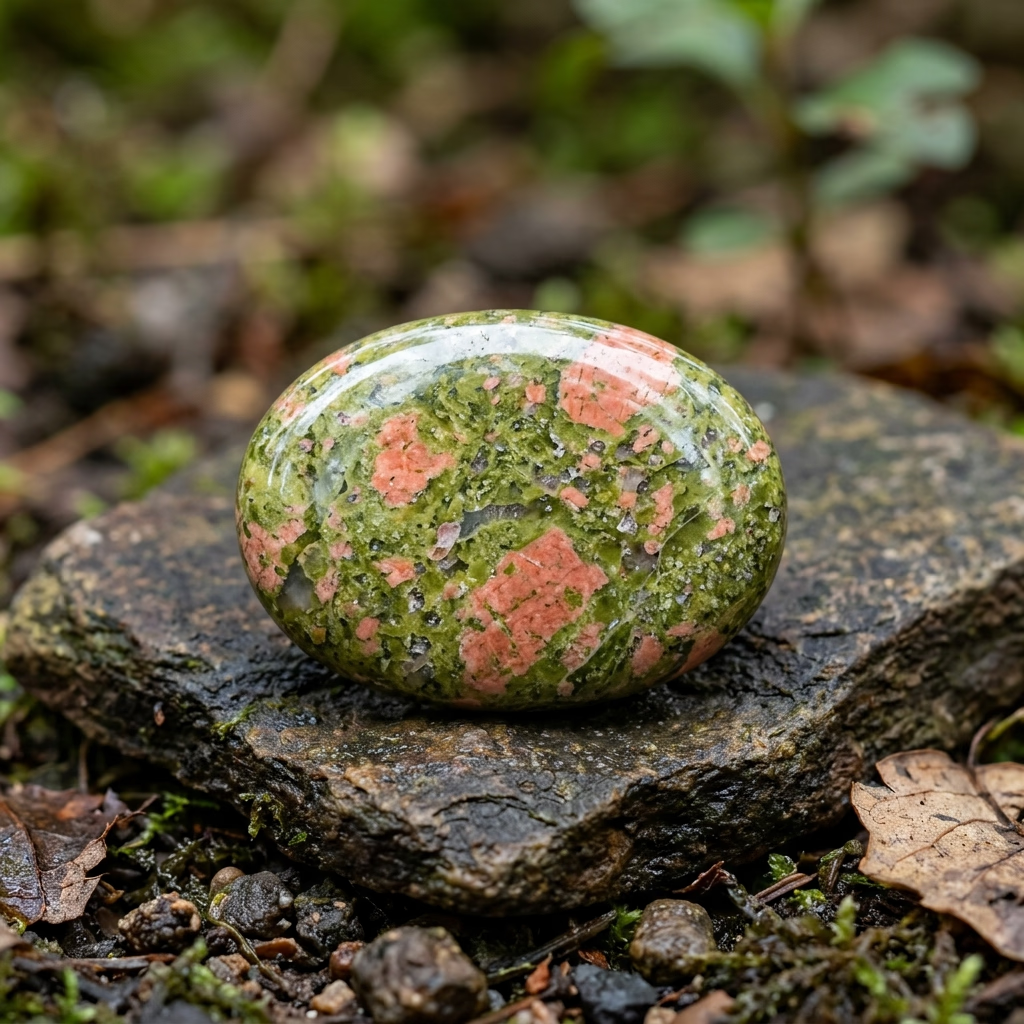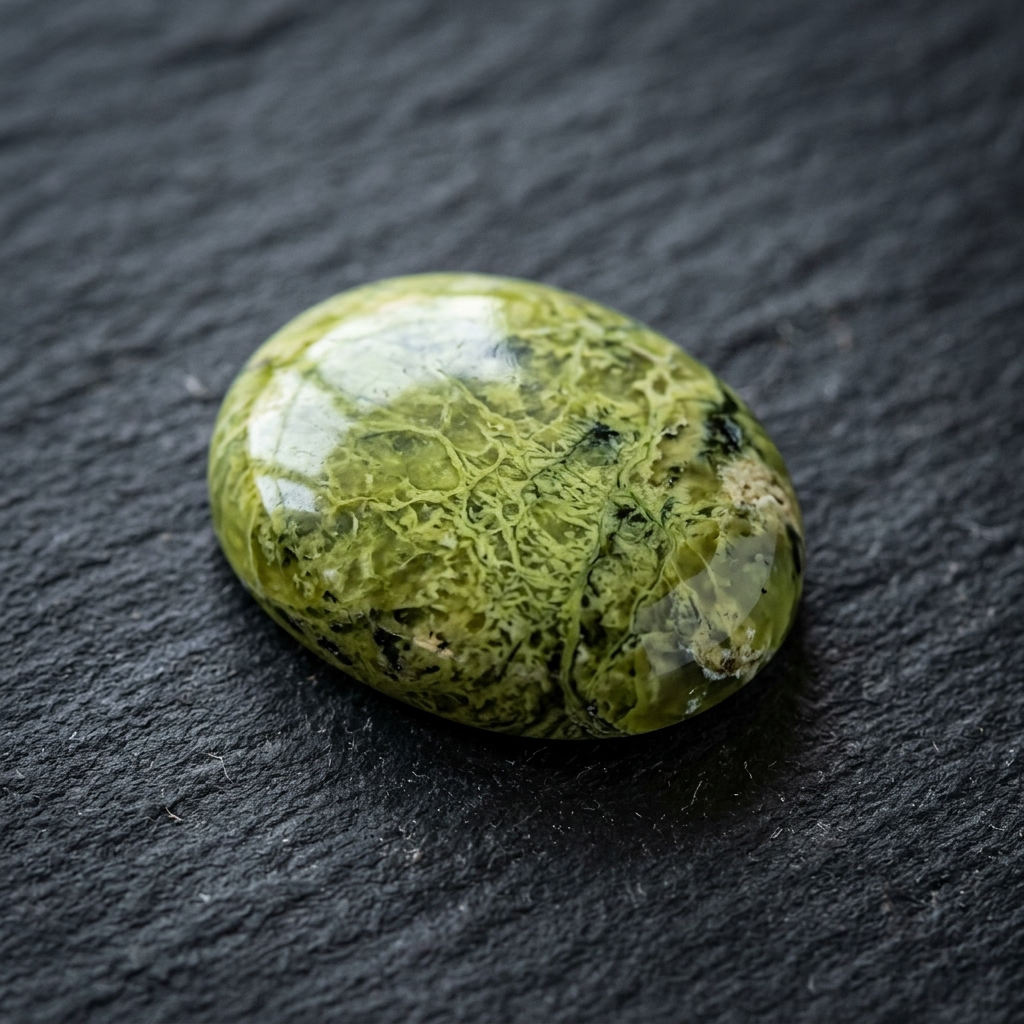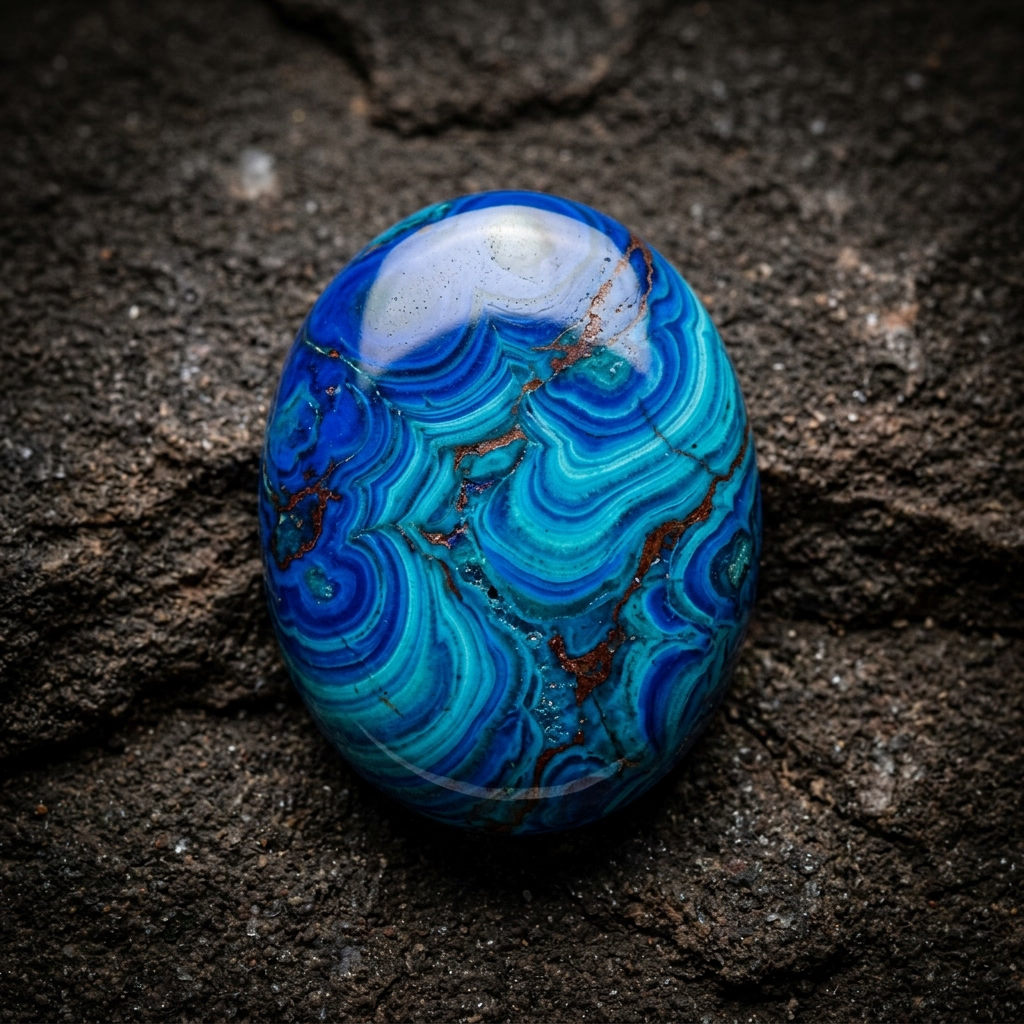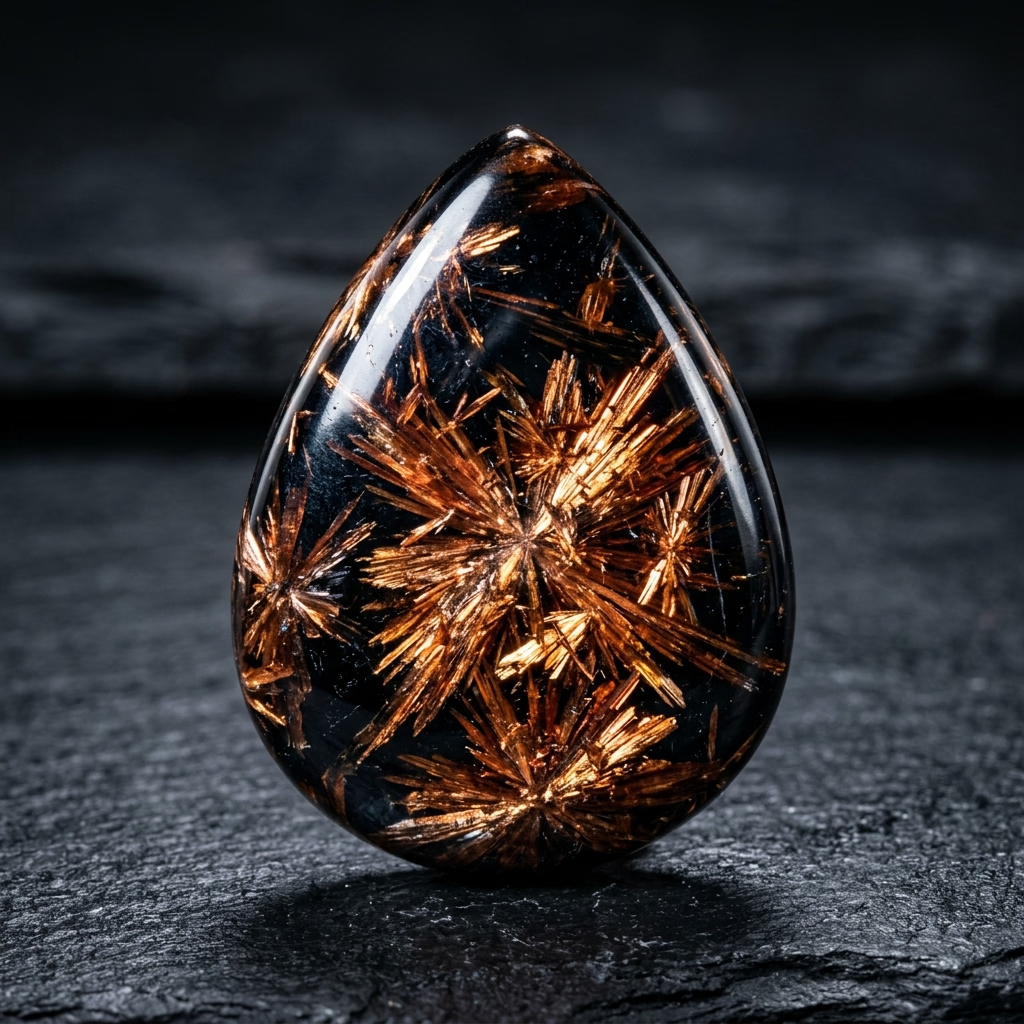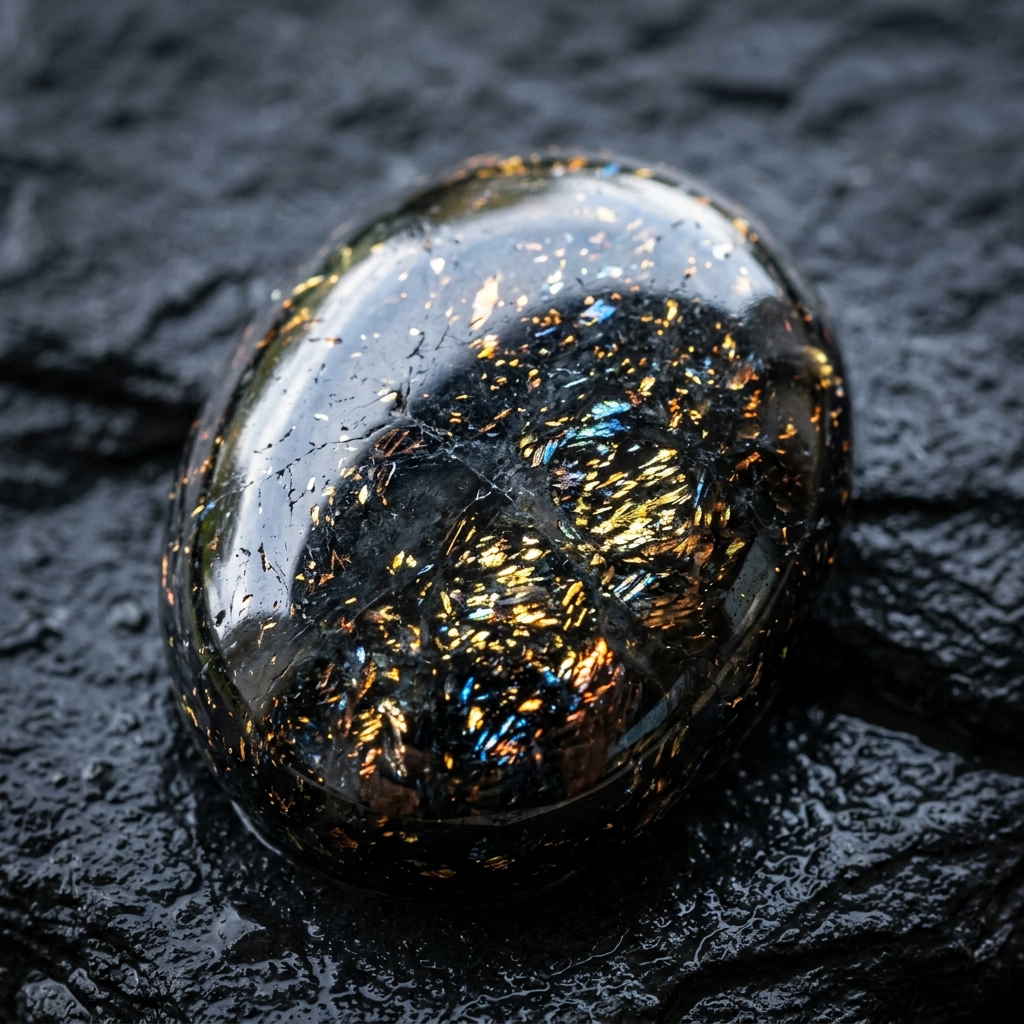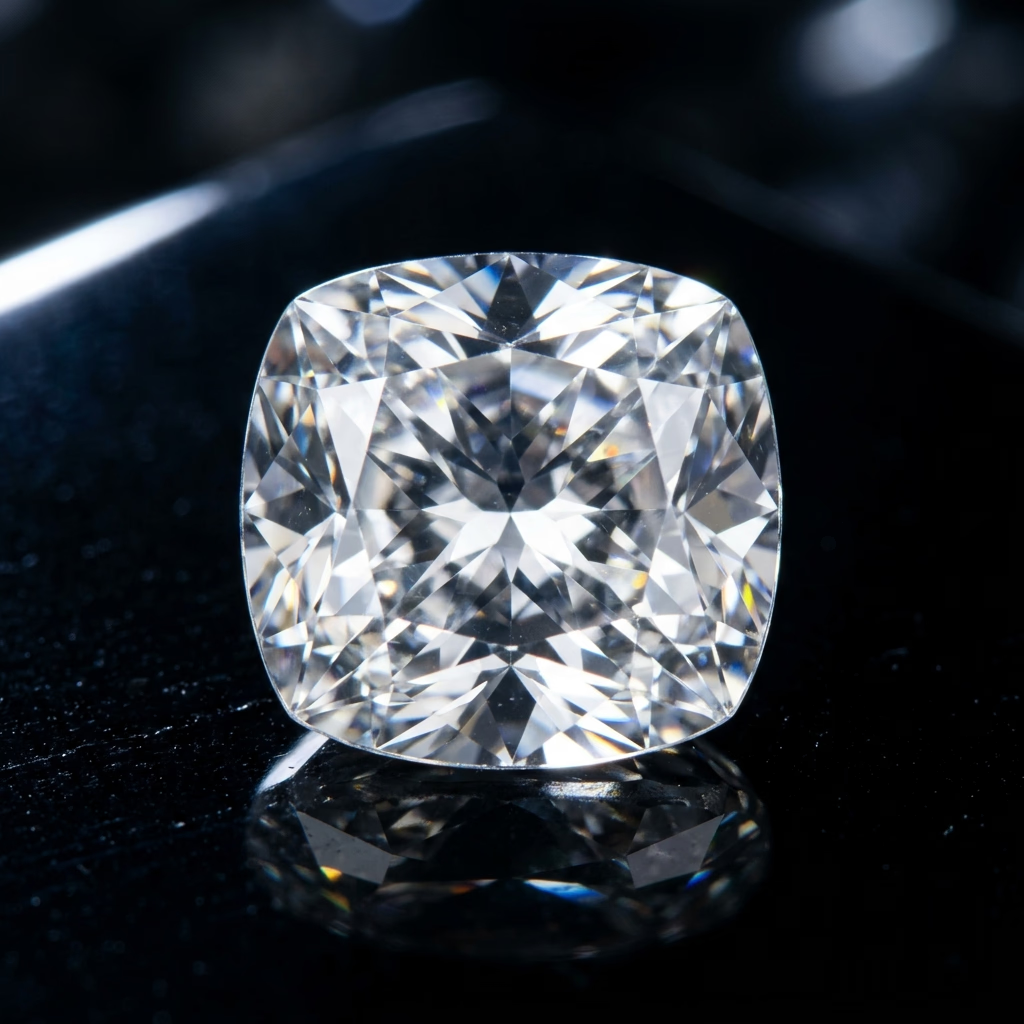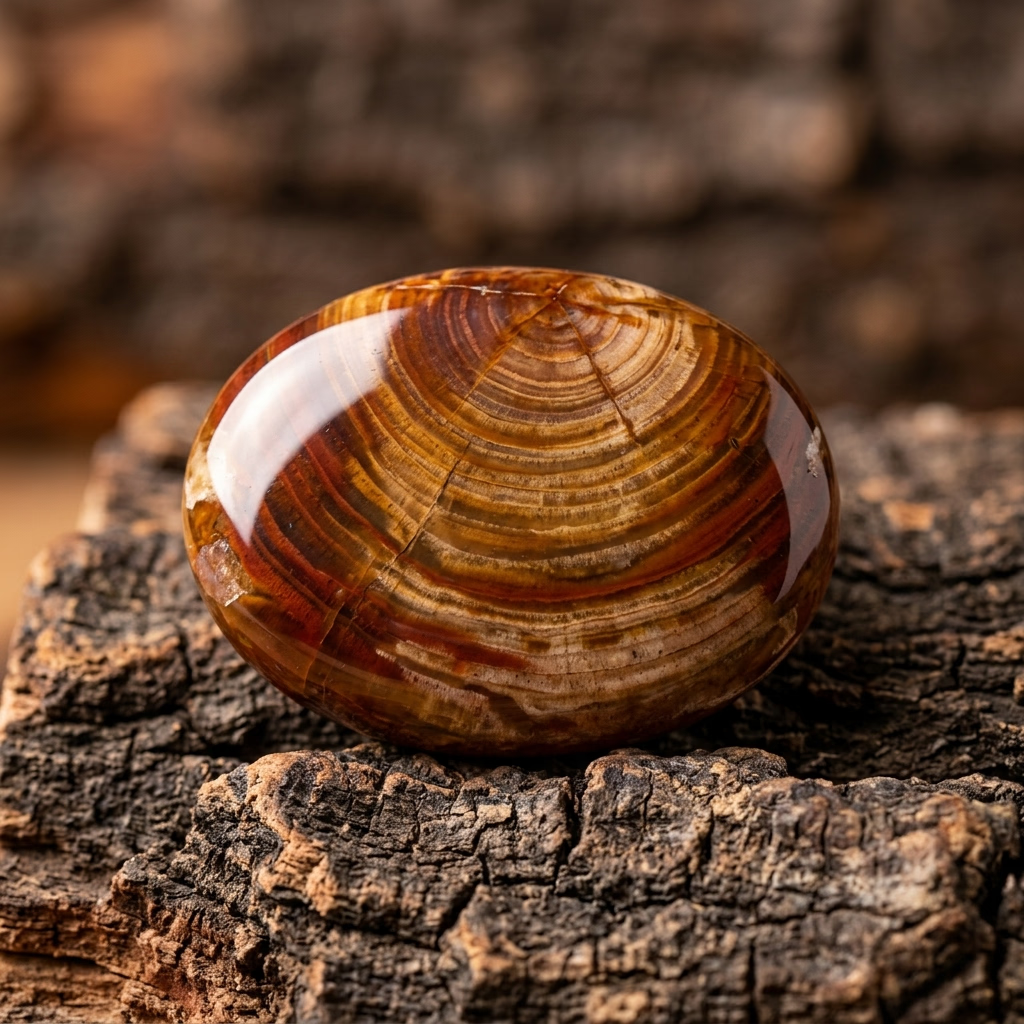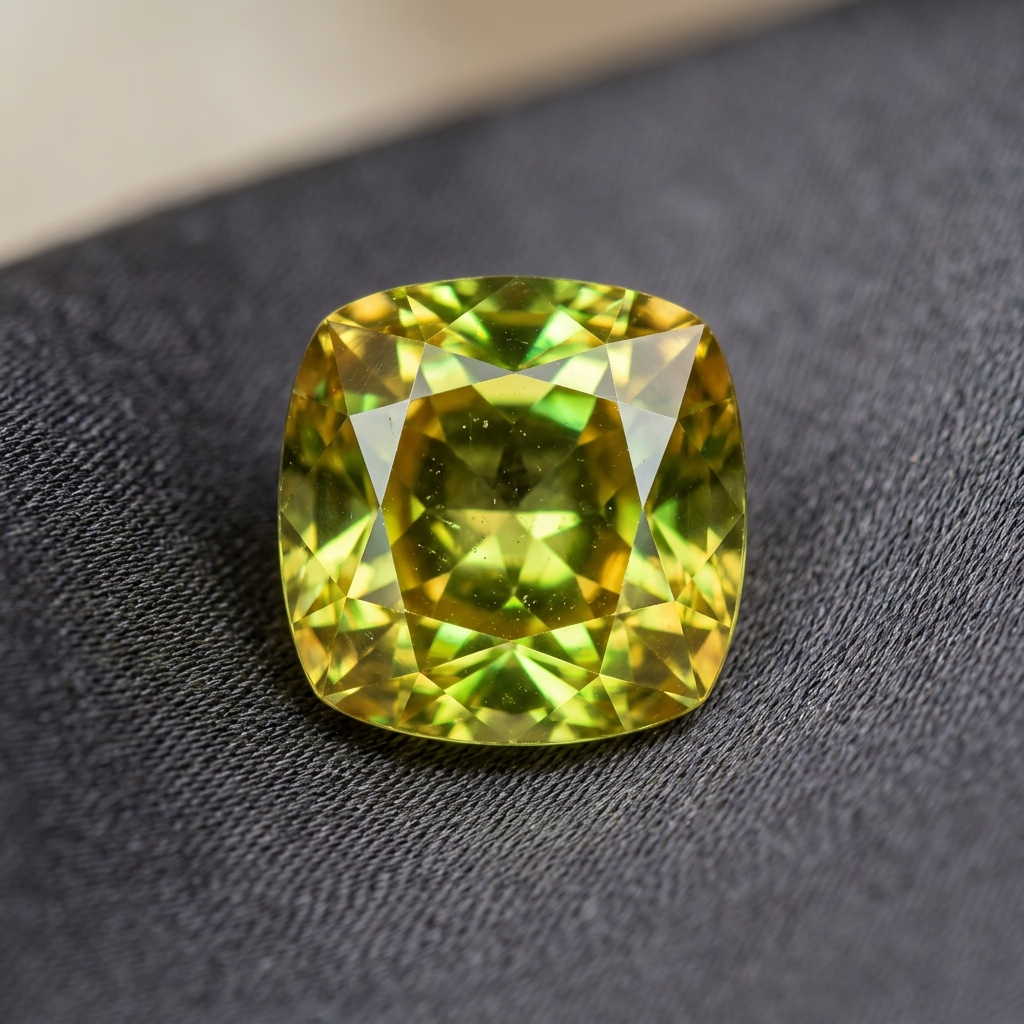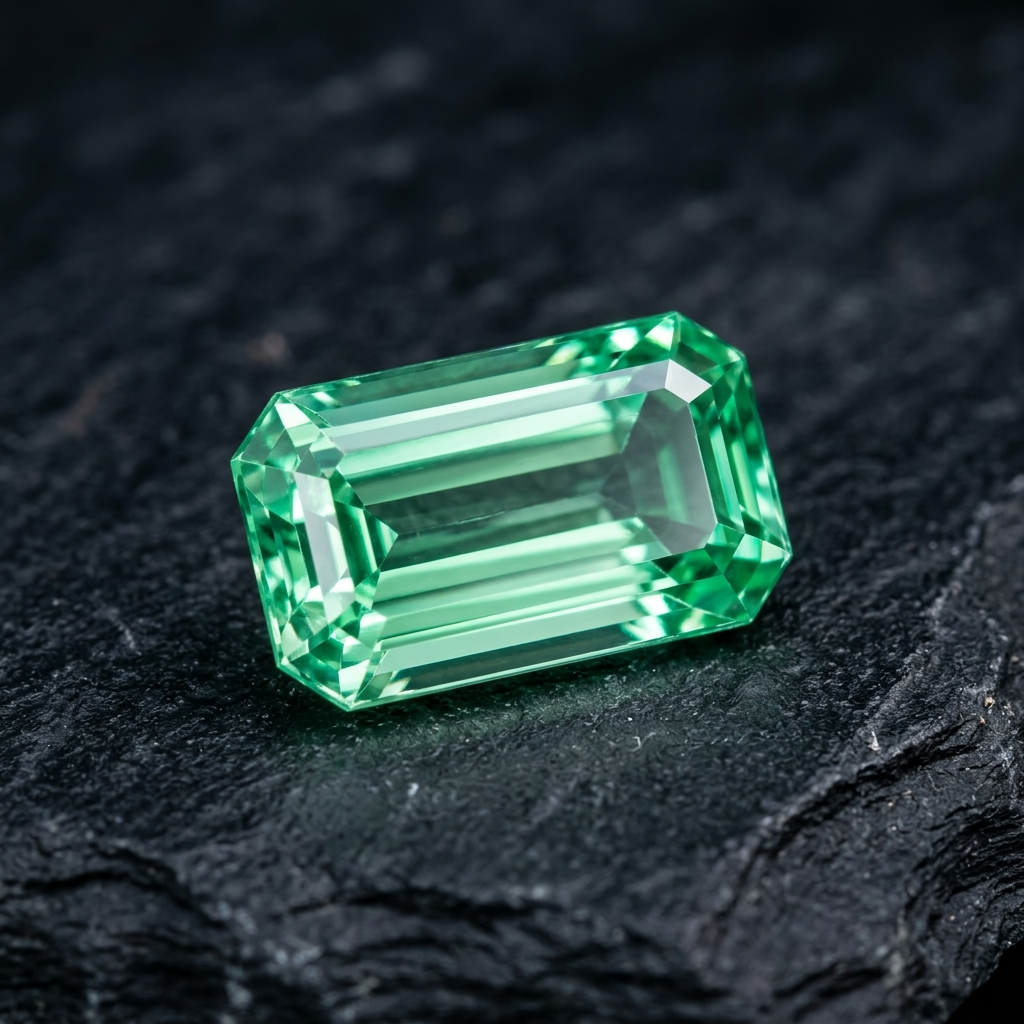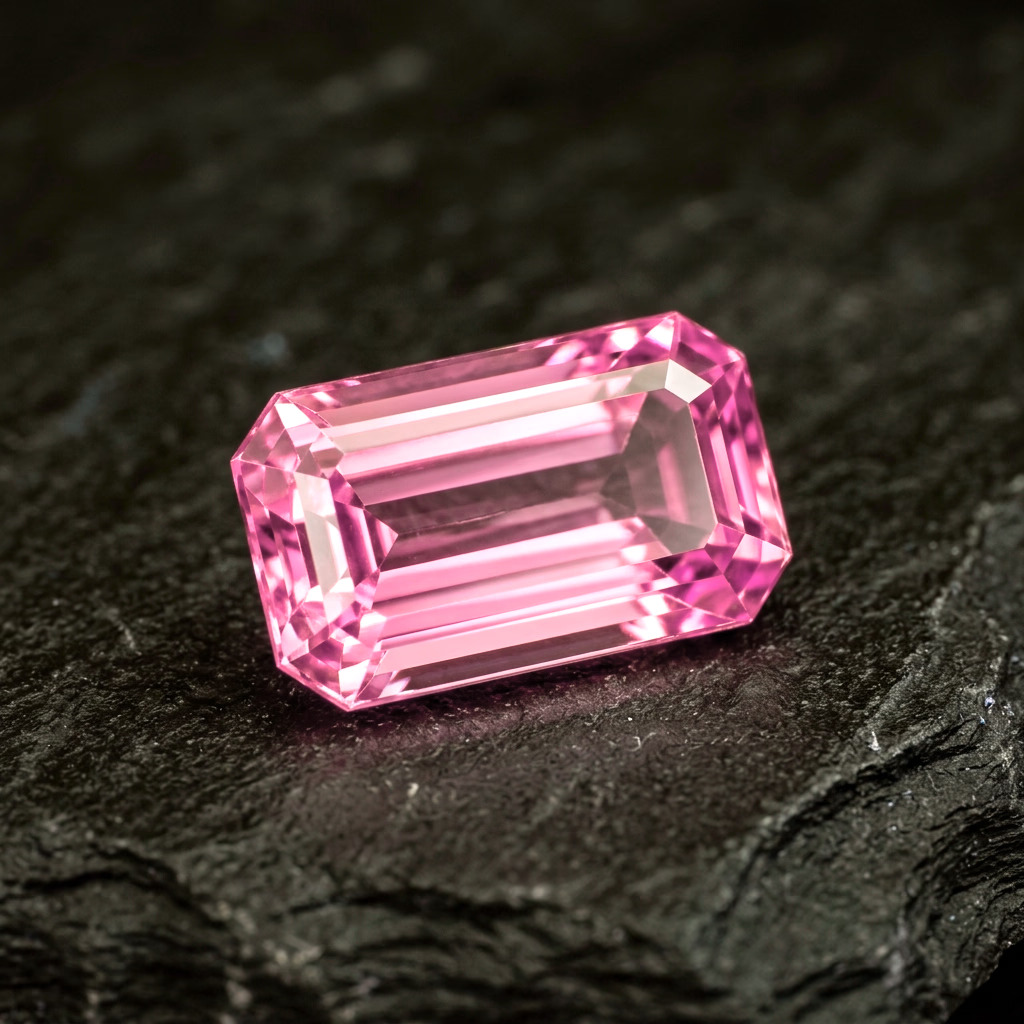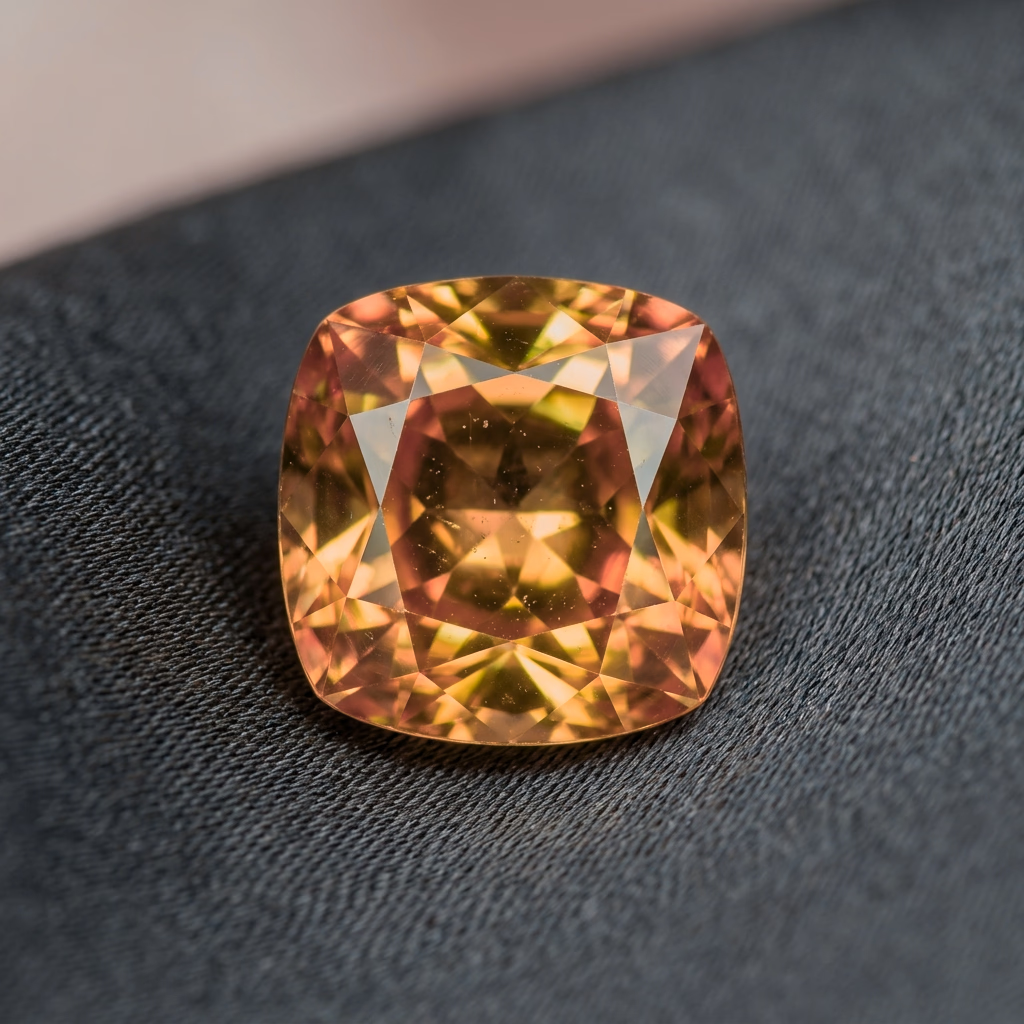
Origins & The Volcanic Discovery
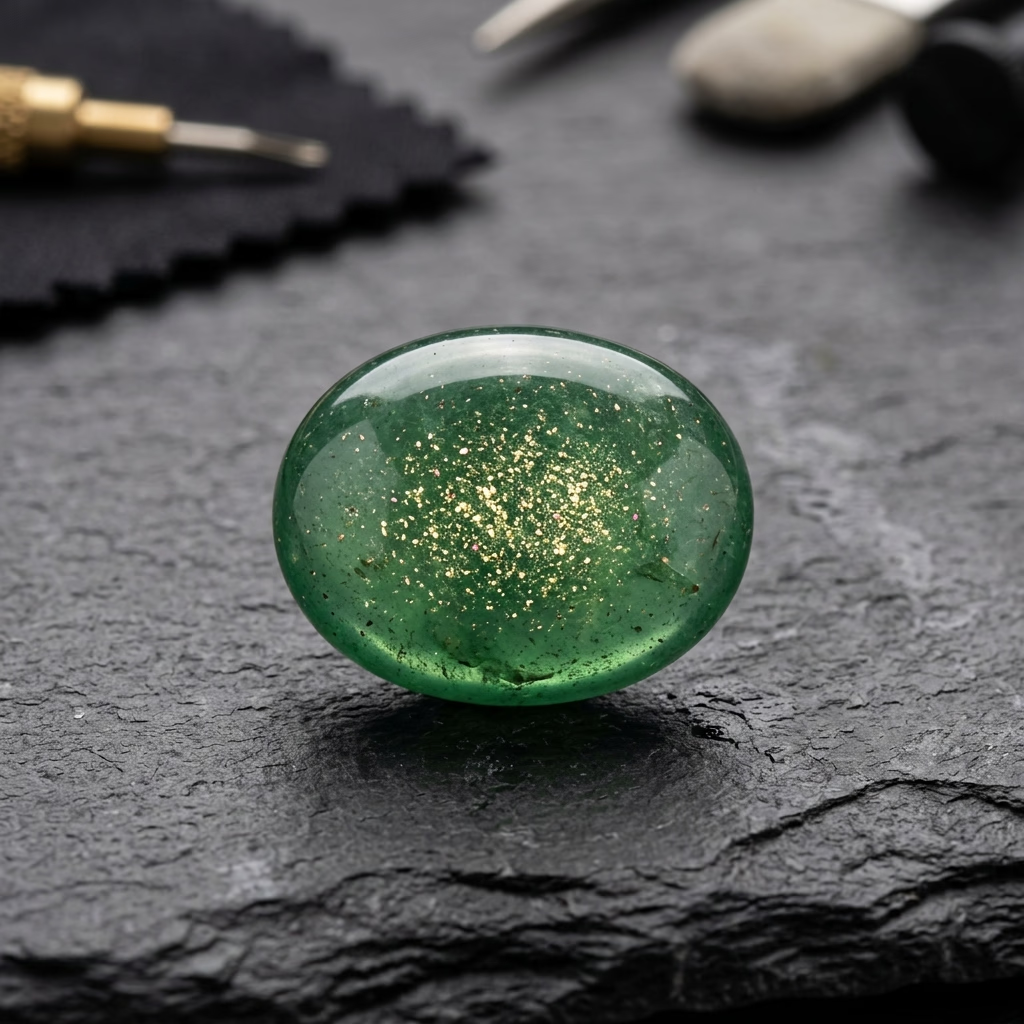
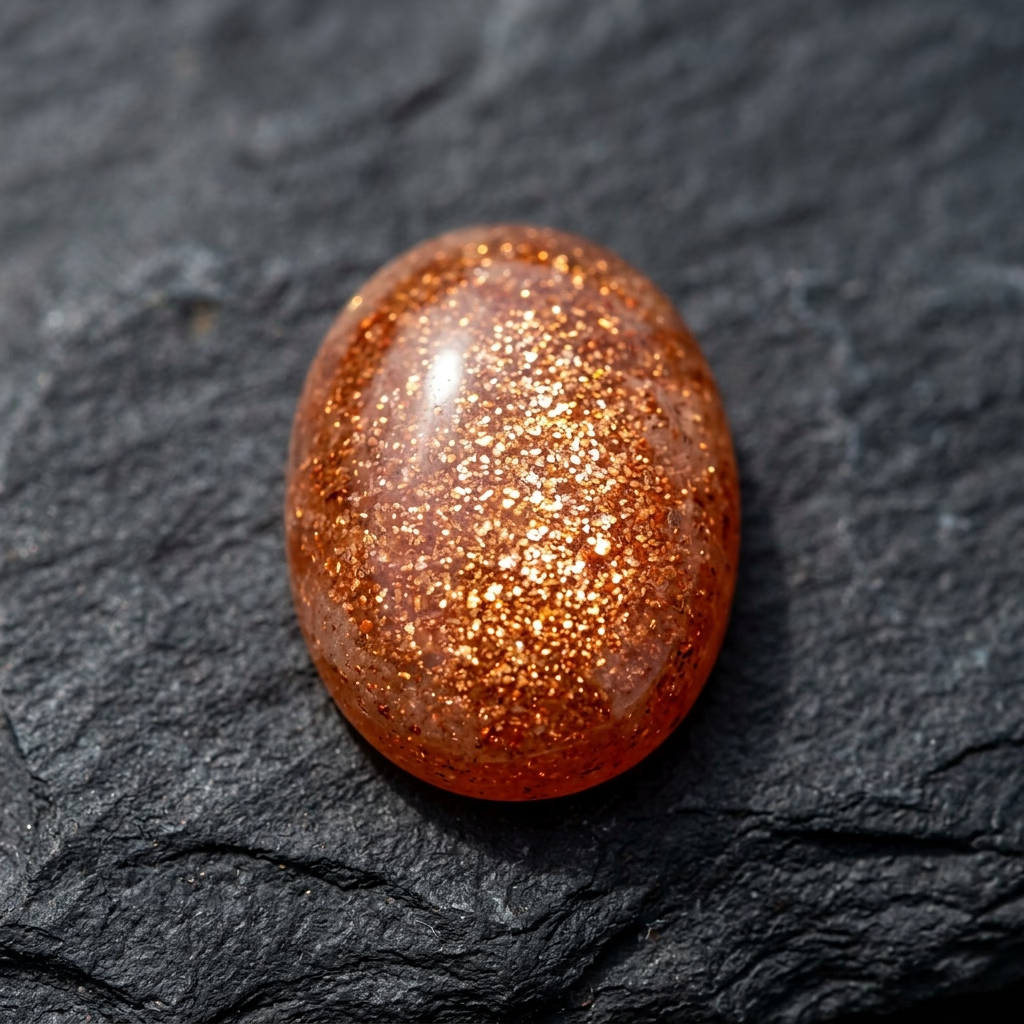
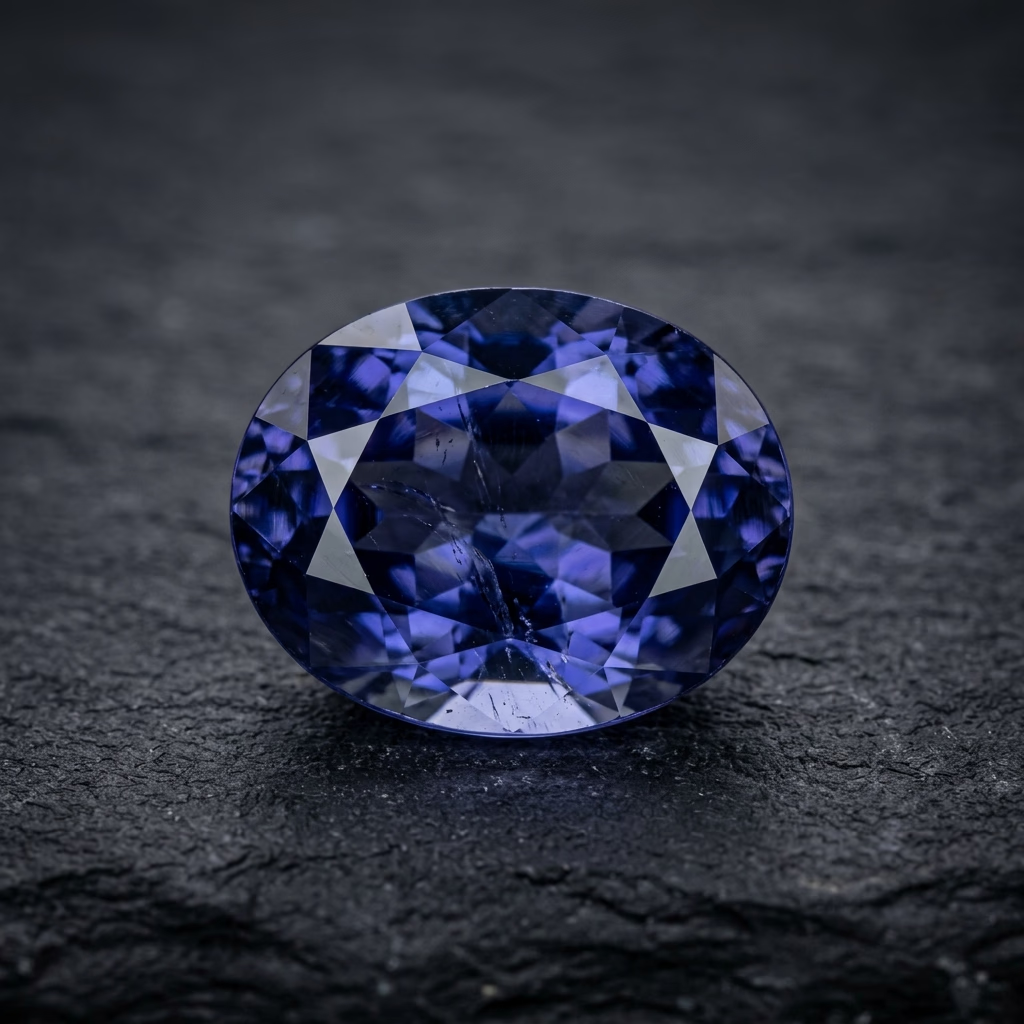
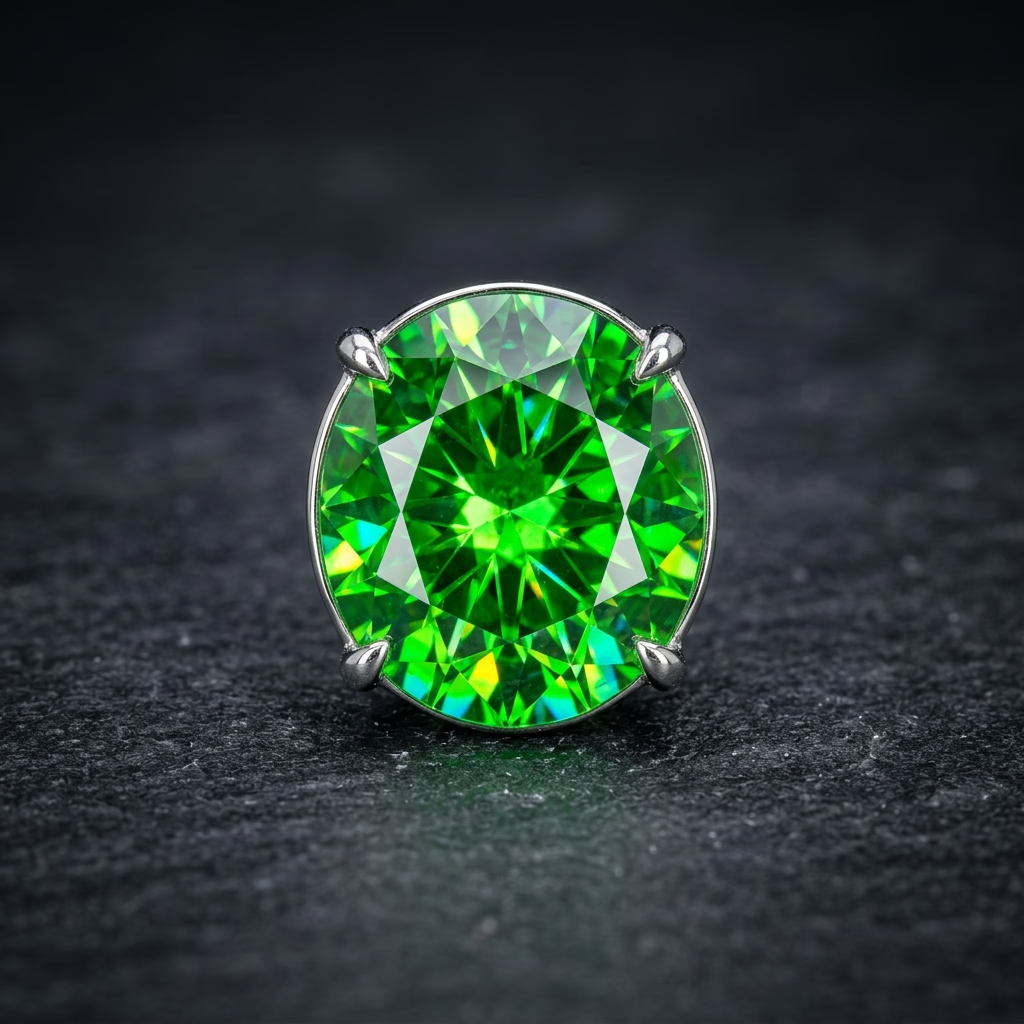
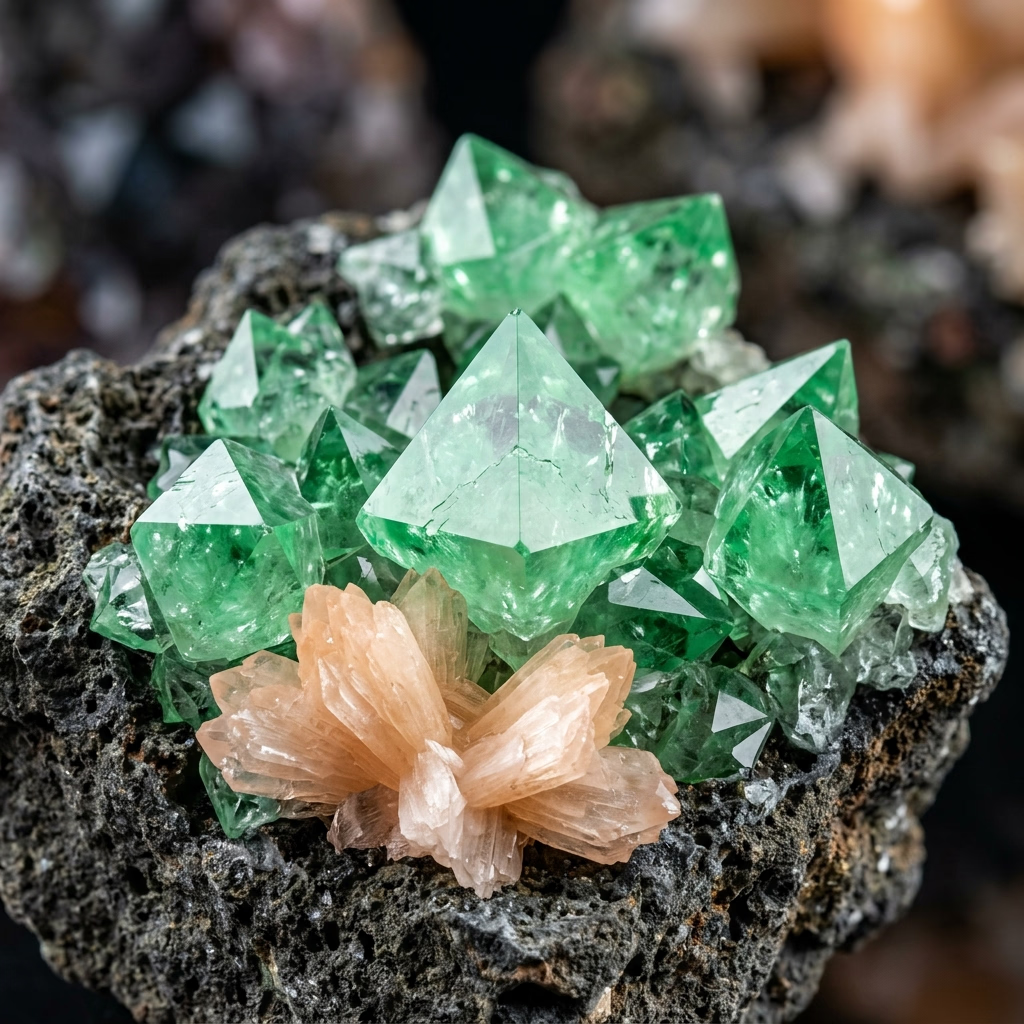
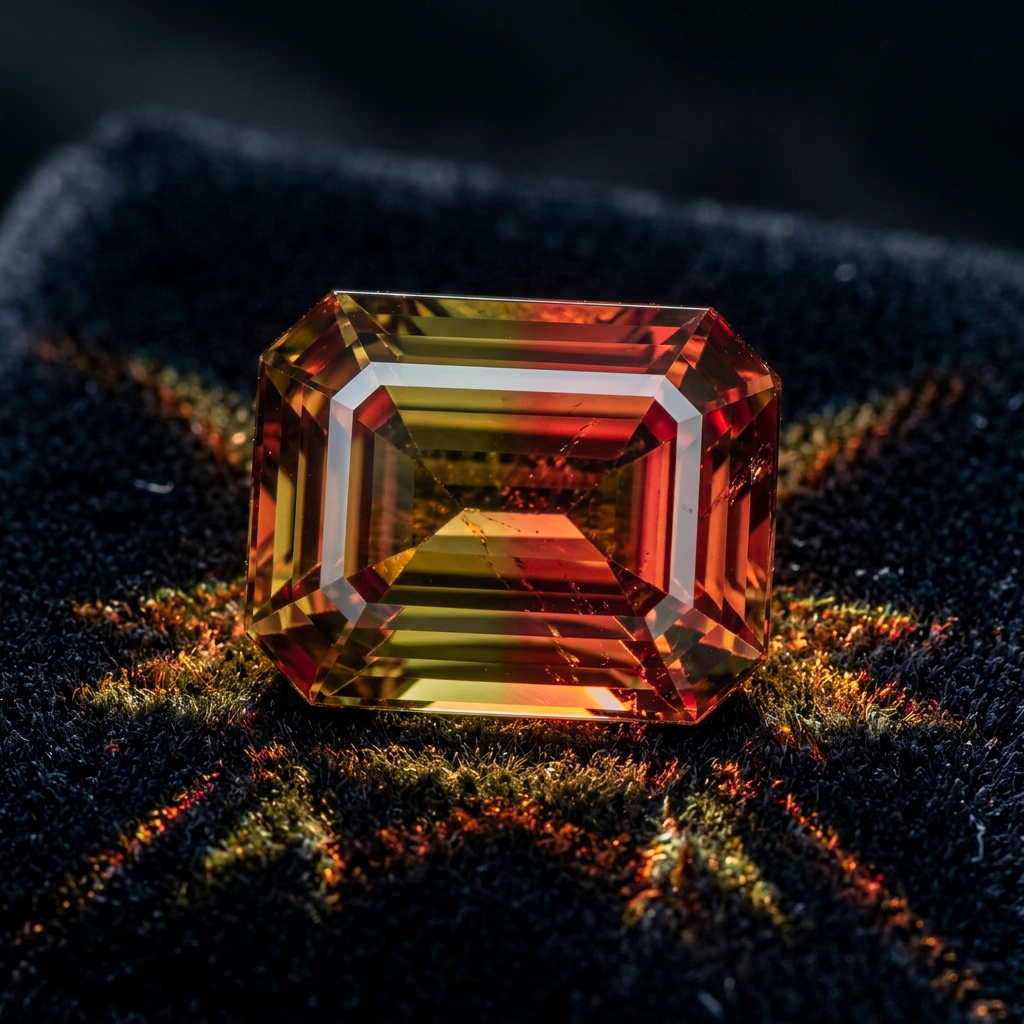
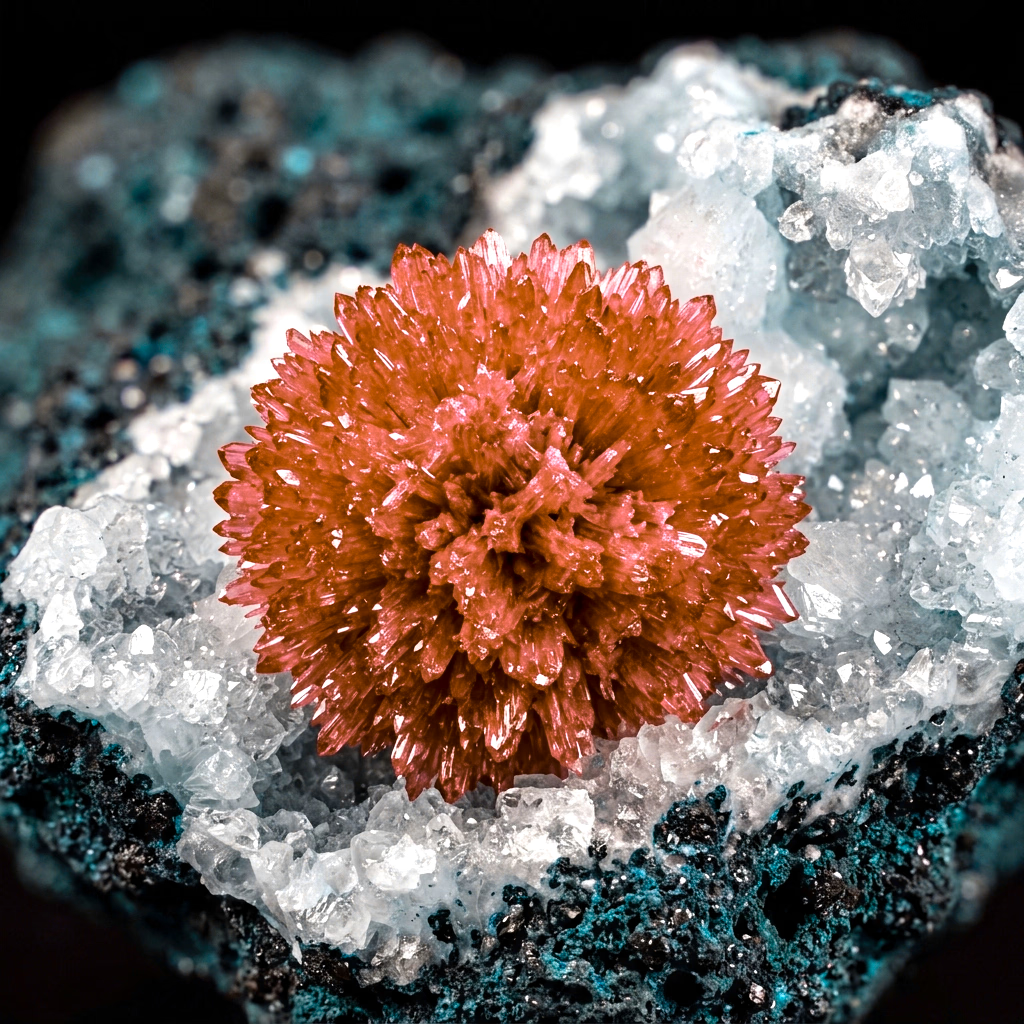
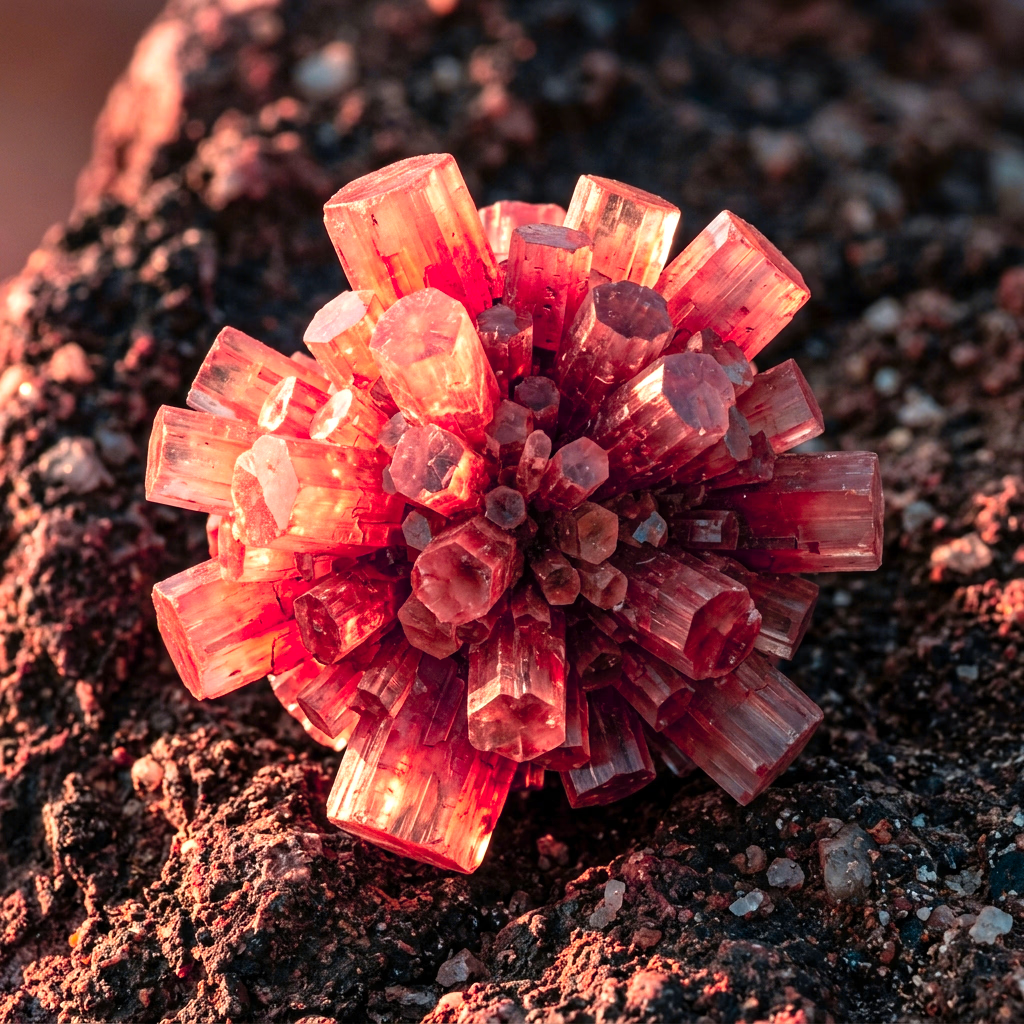
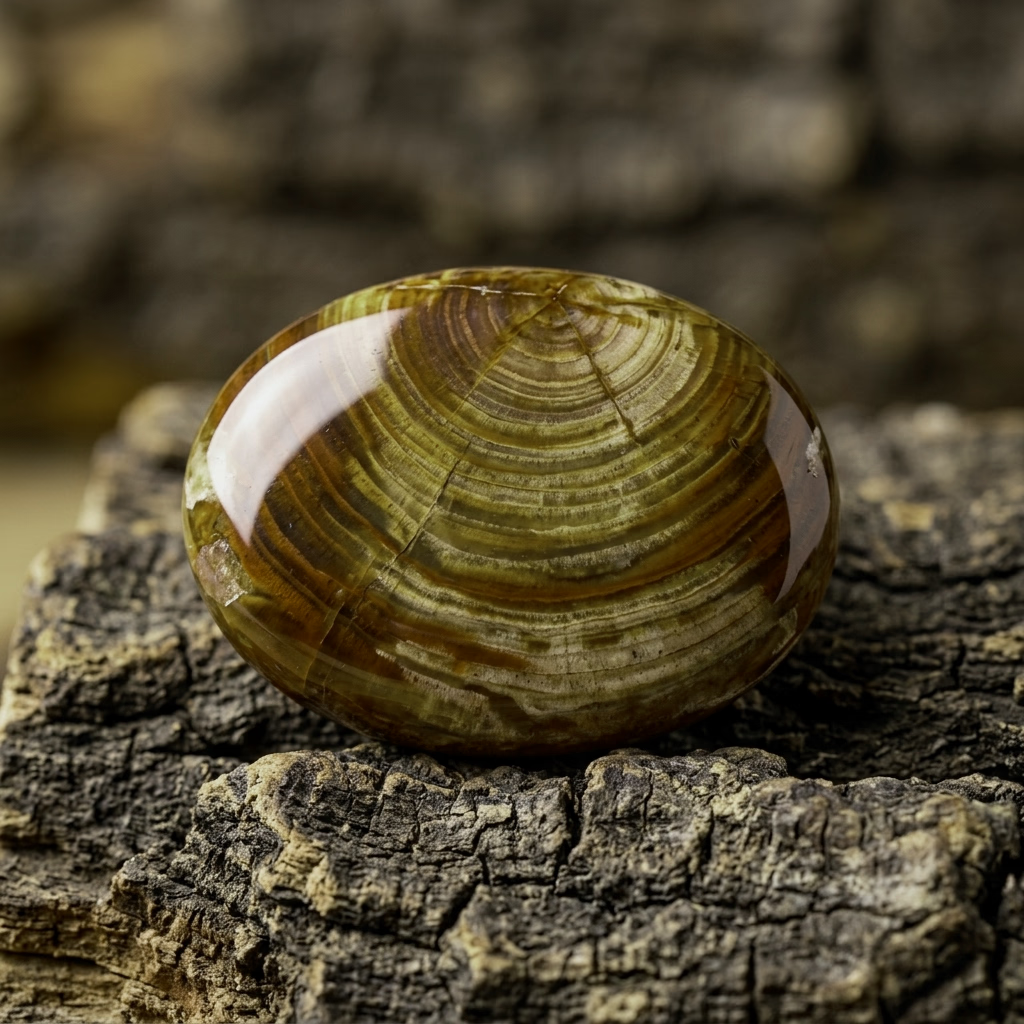
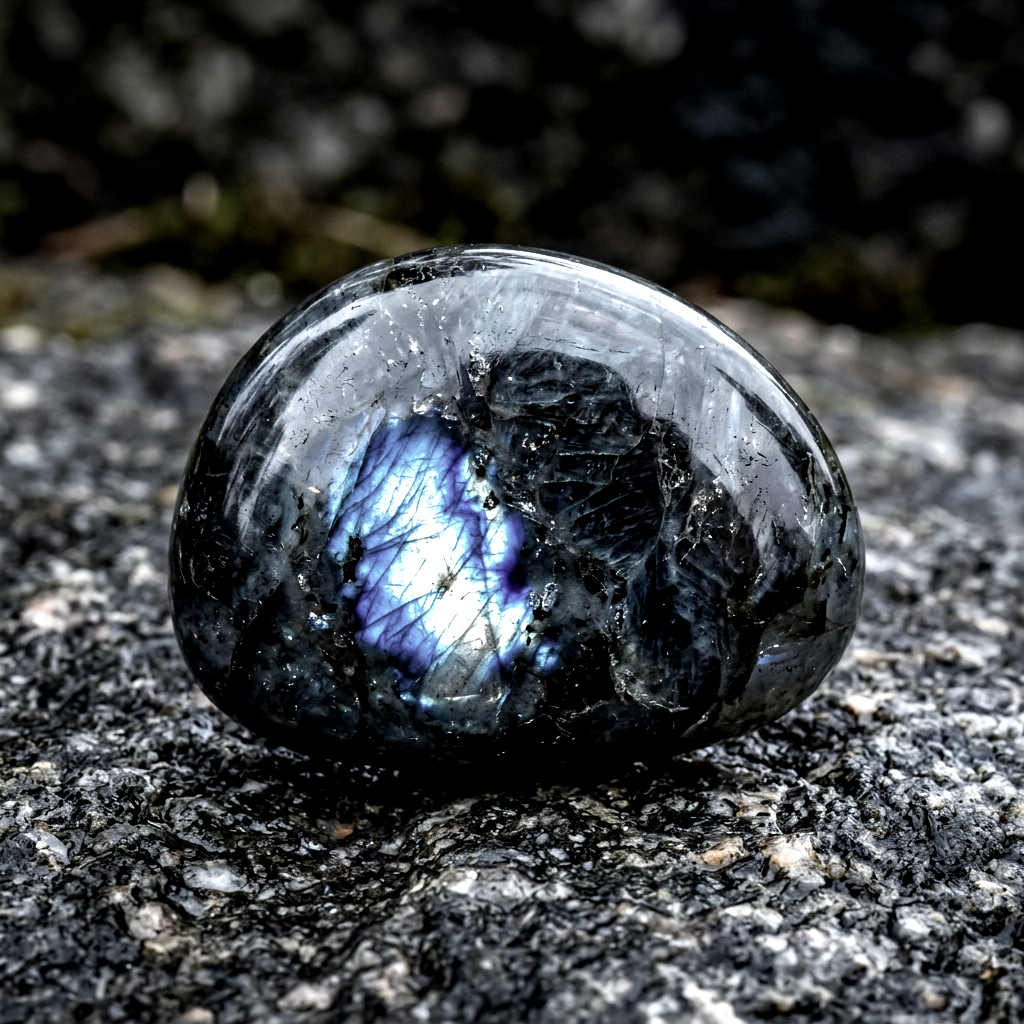
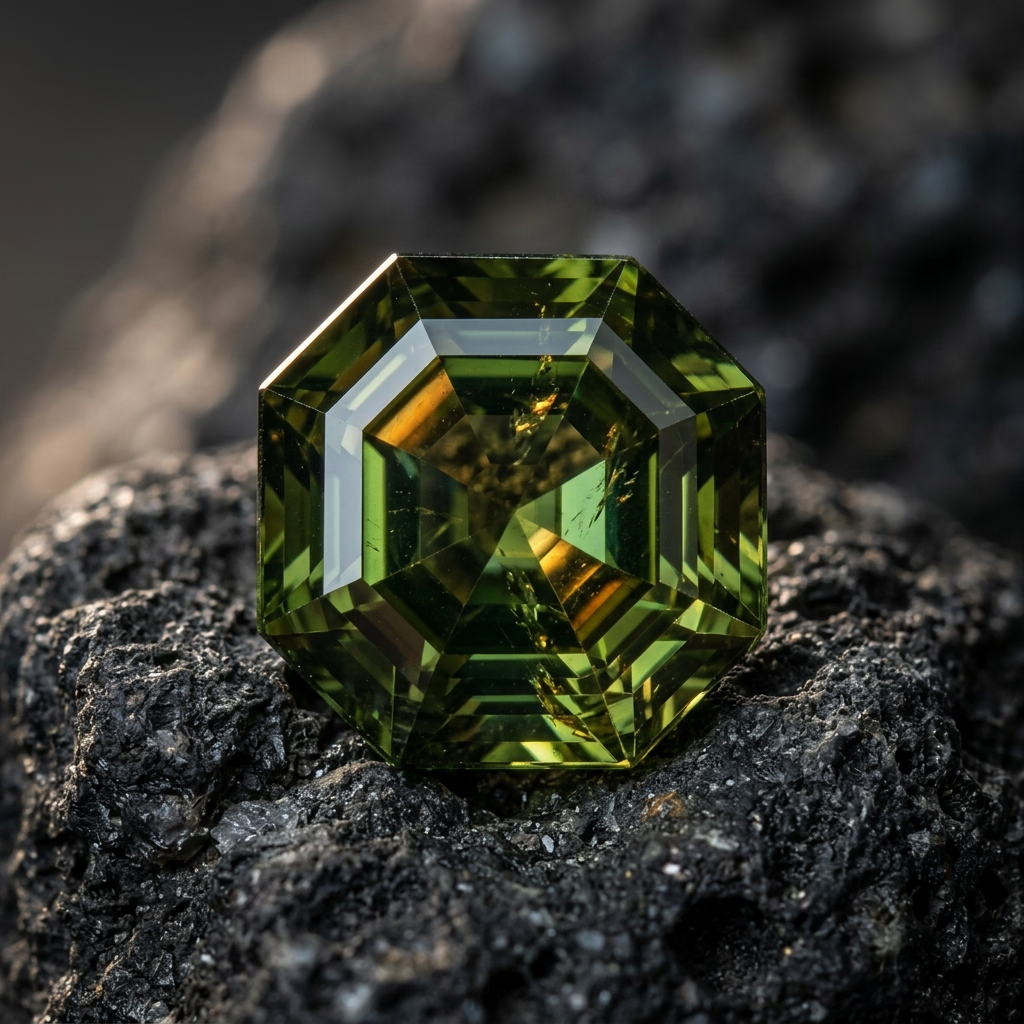
Cataloged in 1795 by Abraham Gottlob Werner from skarn blocks ejected during the violent eruptions of Italy’s Mount Vesuvius, it was named Vesuvianite in honor of its birthplace. Simultaneously, French pioneer René Just Haüy named it Idocrase (from Greek "eidos" form and "krasis" mixture) because its crystal habits mimic garnet, zircon, and tourmaline. For centuries, spiritual seekers held it to transmute suppressed rage into unstoppable forward momentum.