🔍Click to zoom
Cradle of the Smithsonian Institution · Silky Botryoidal Sheen, Tender Solace for the Wounded Inner Child
Smithsonite (Zinc Spar / Bonamite)
#Honors Smithsonian Institution Benefactor James Smithson#Silky Botryoidal Grape-Like Aggregates with Pearly Luster#Tender Healing Balcony for the Wounded Inner Child#Deep Emotional Security for Heart & Throat Chakras
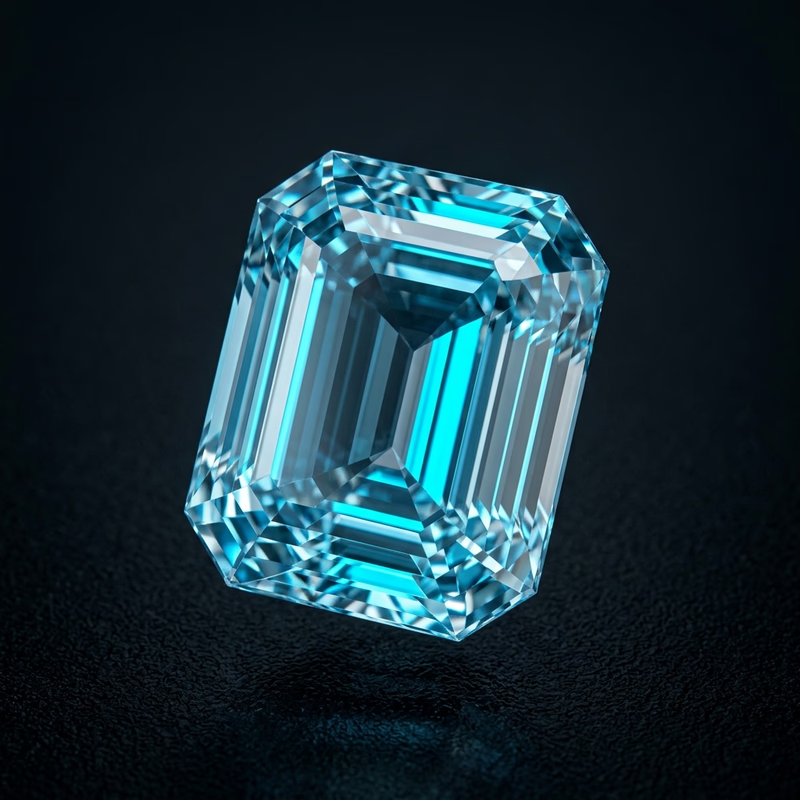
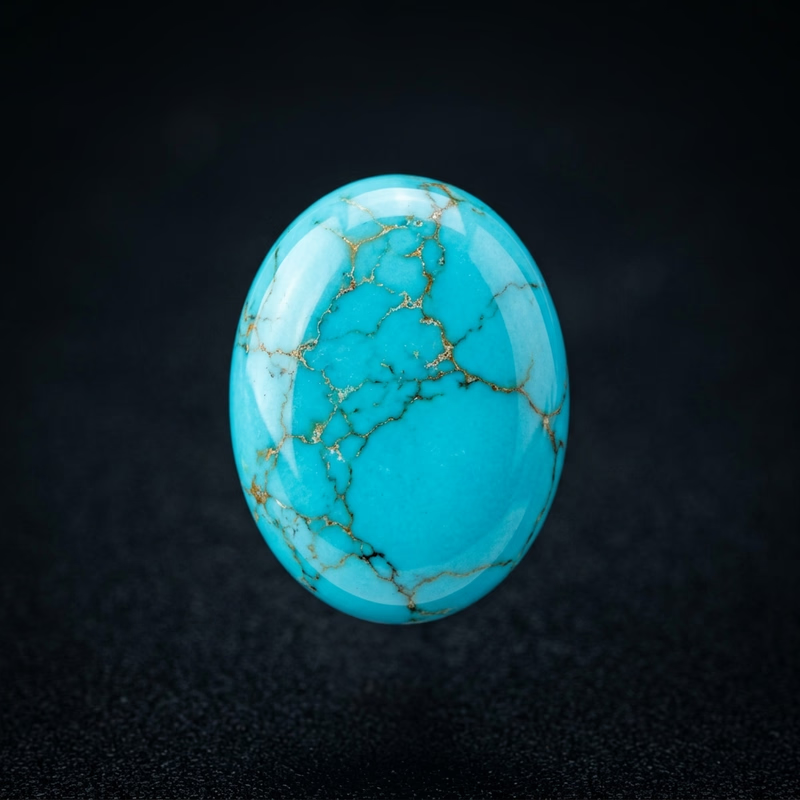
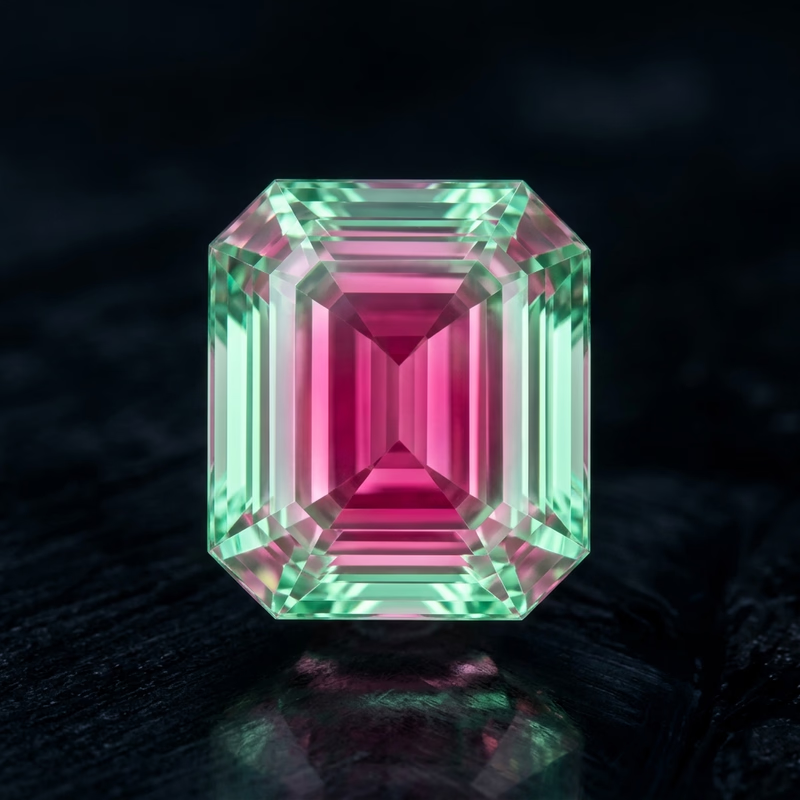
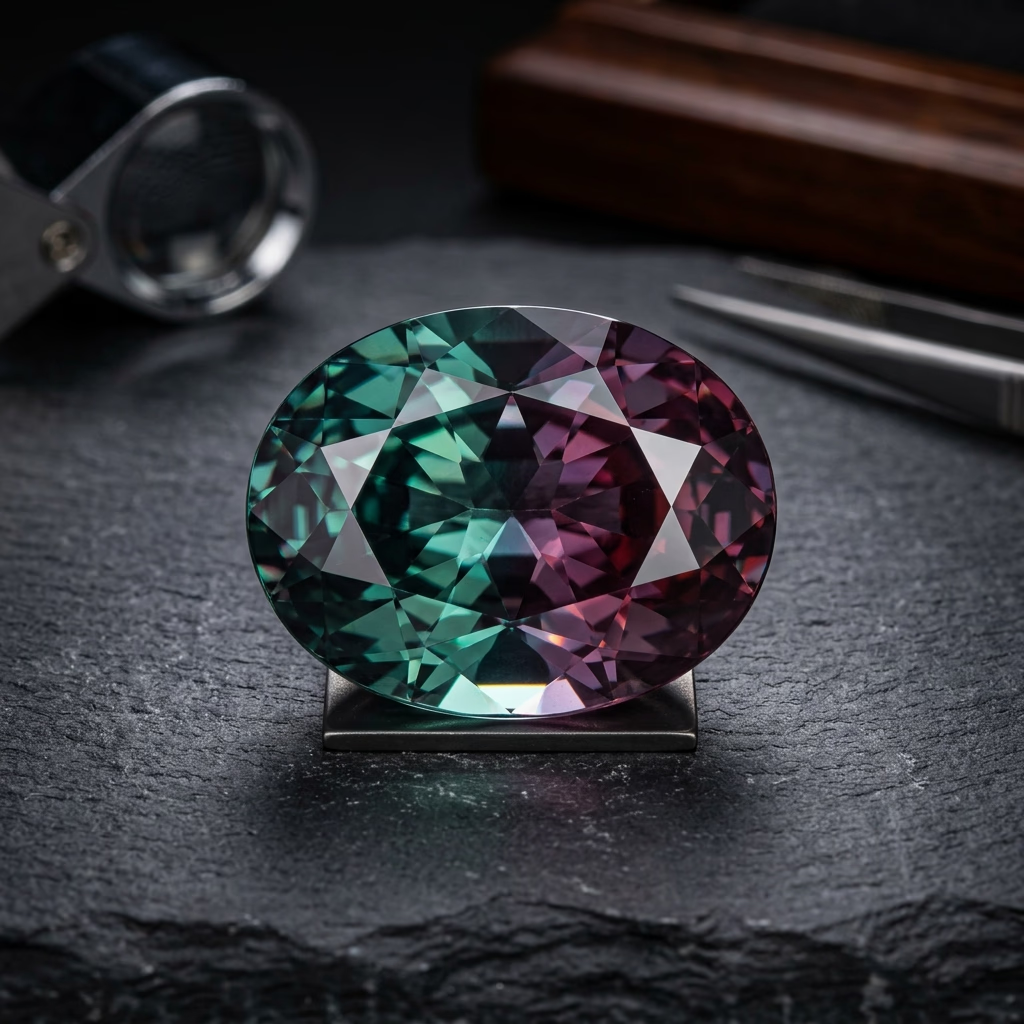
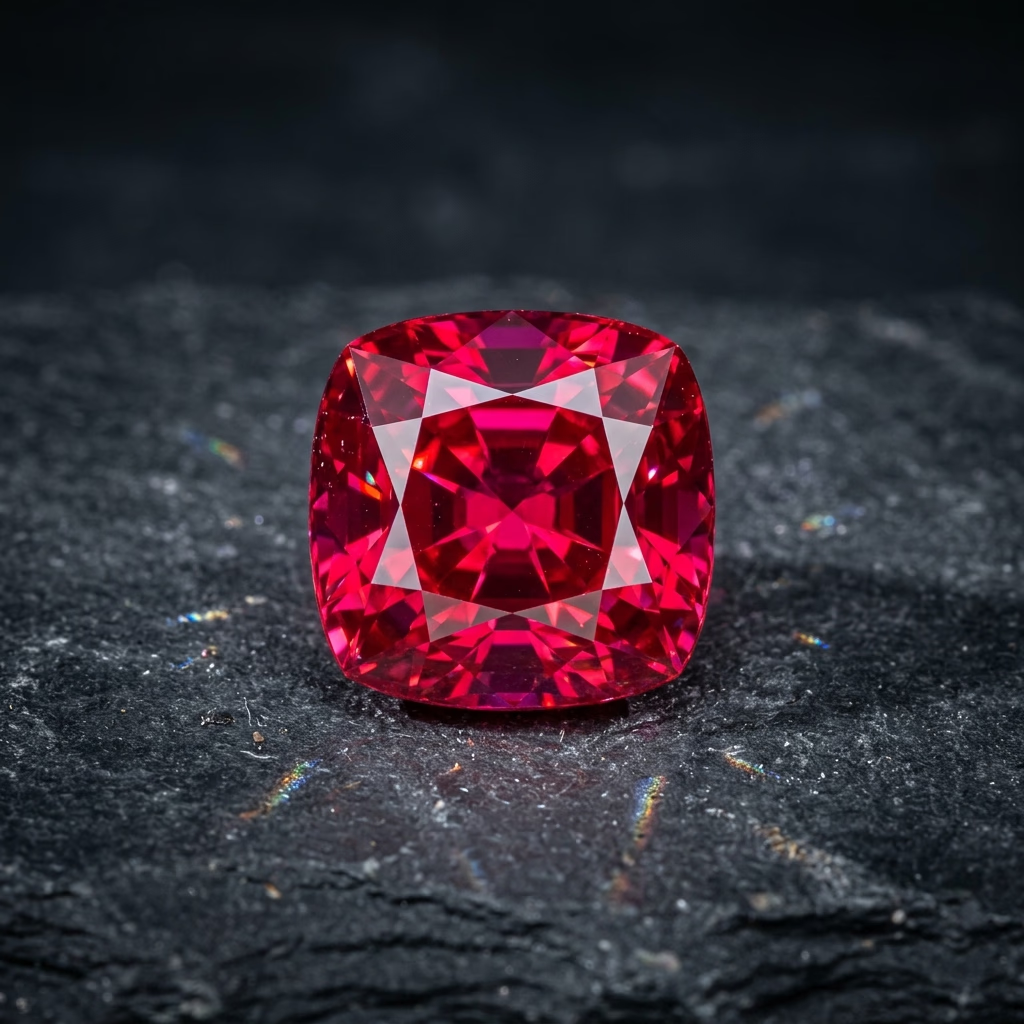
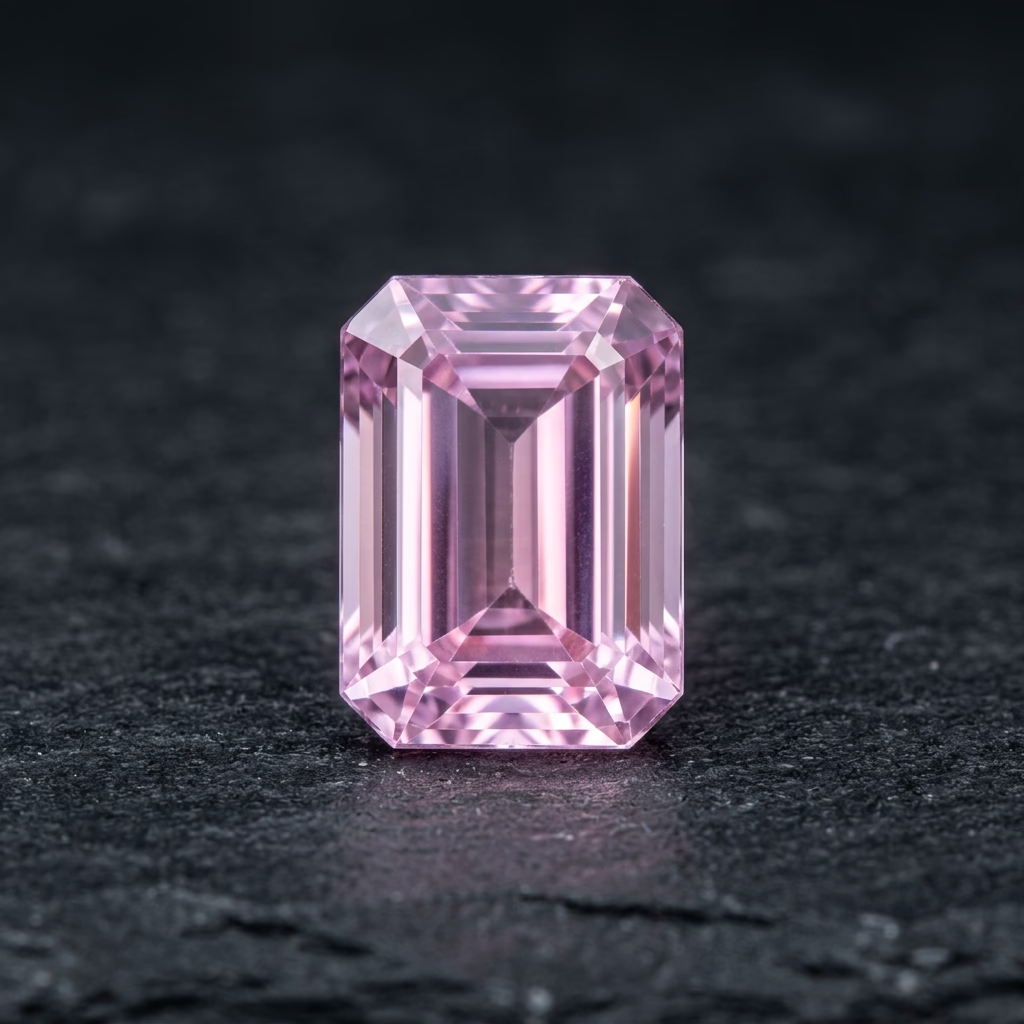
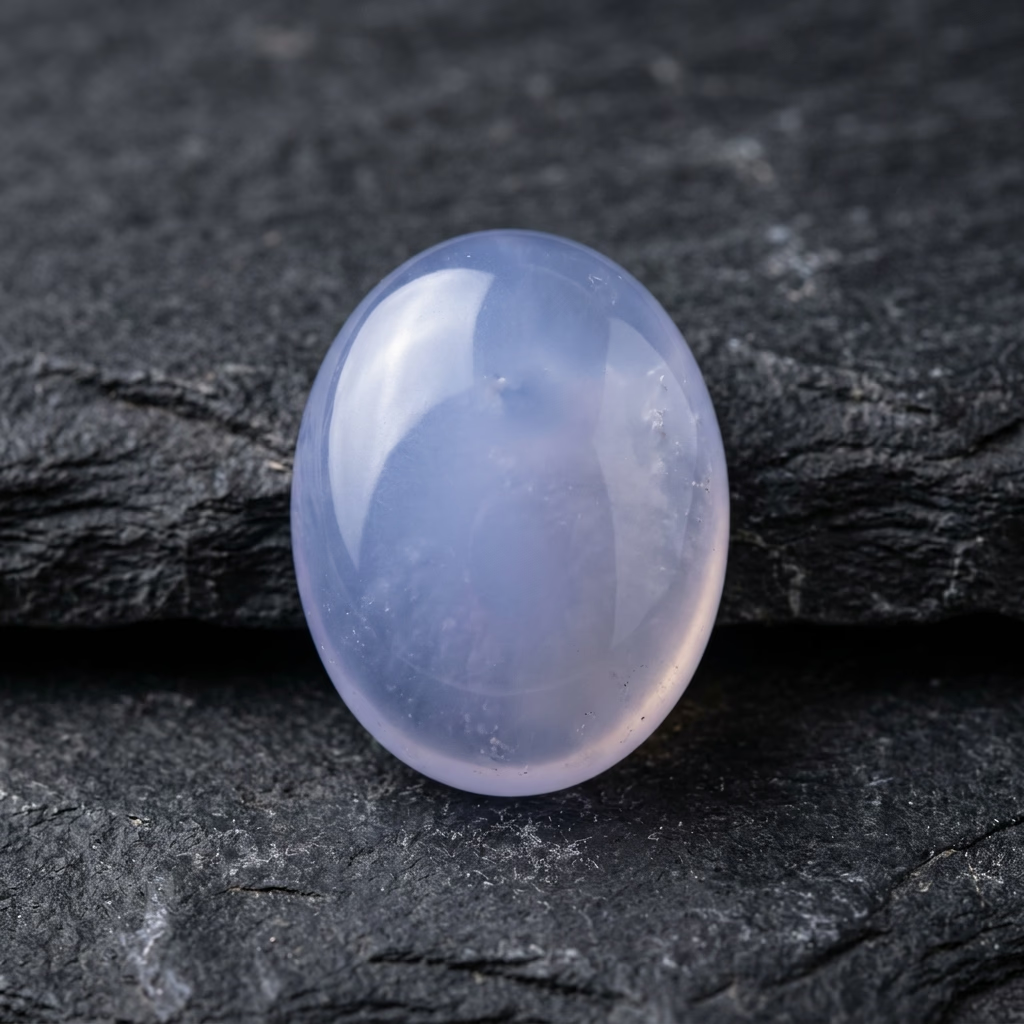
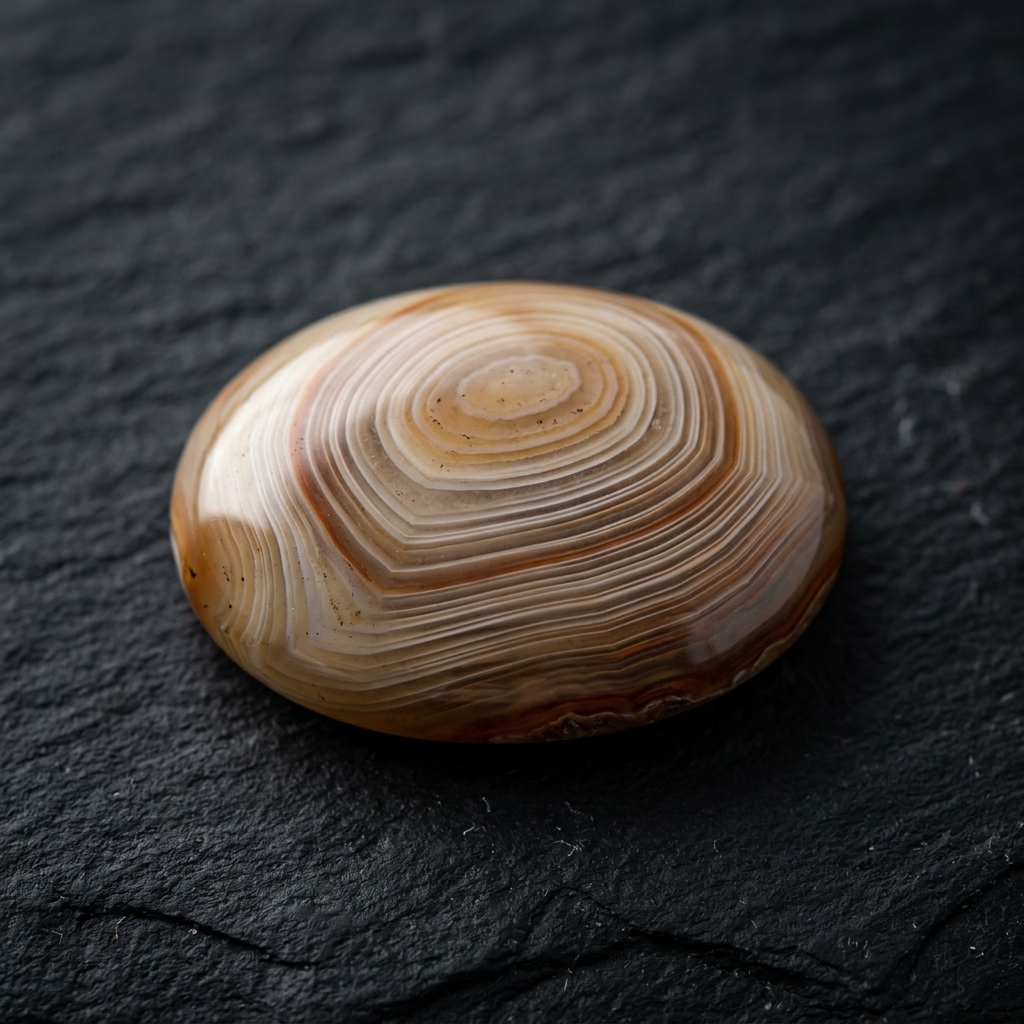
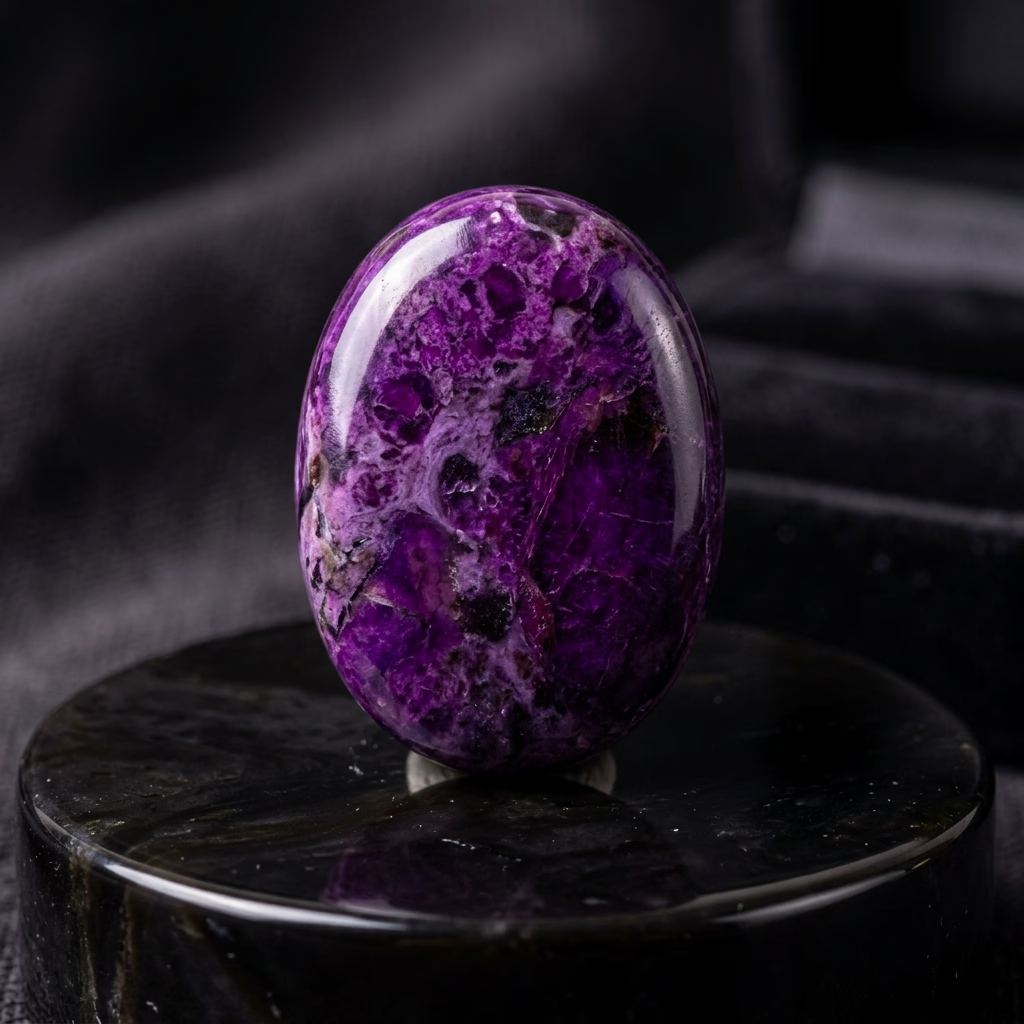
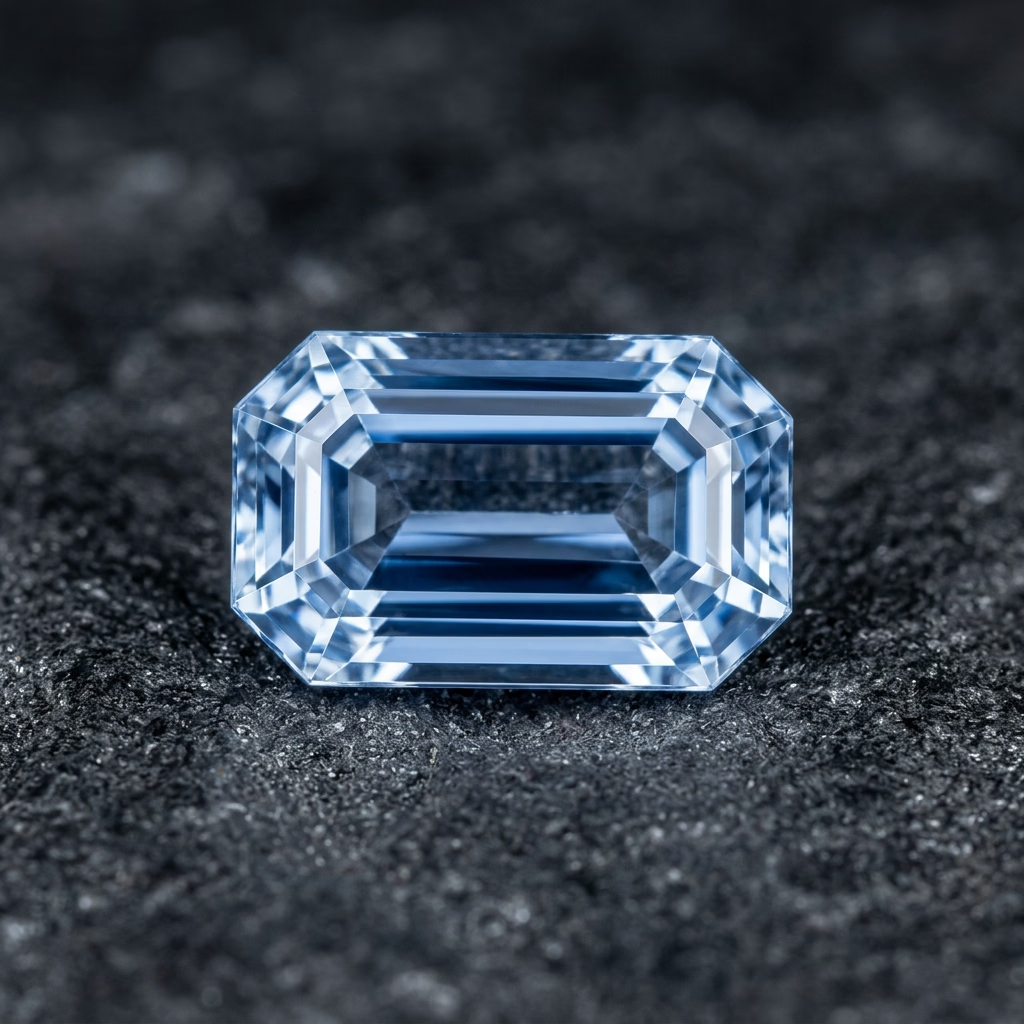
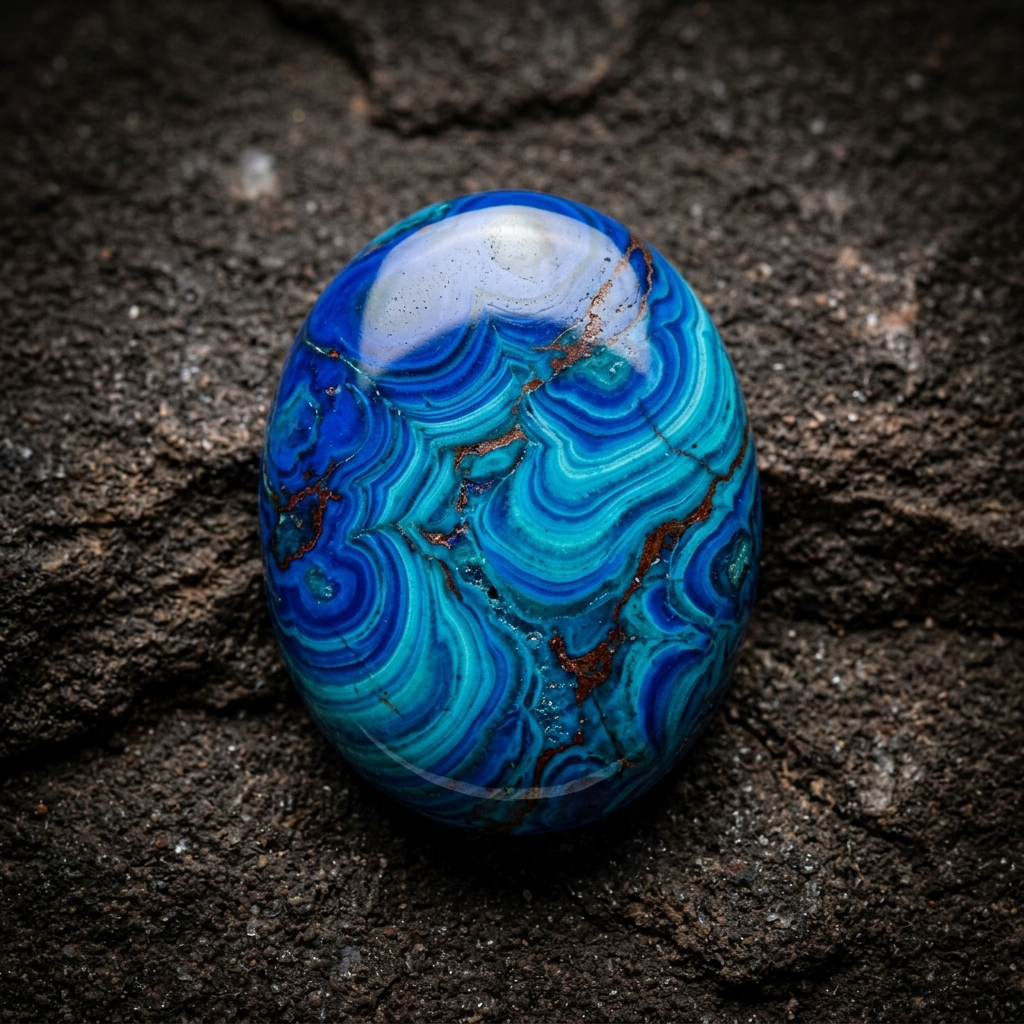
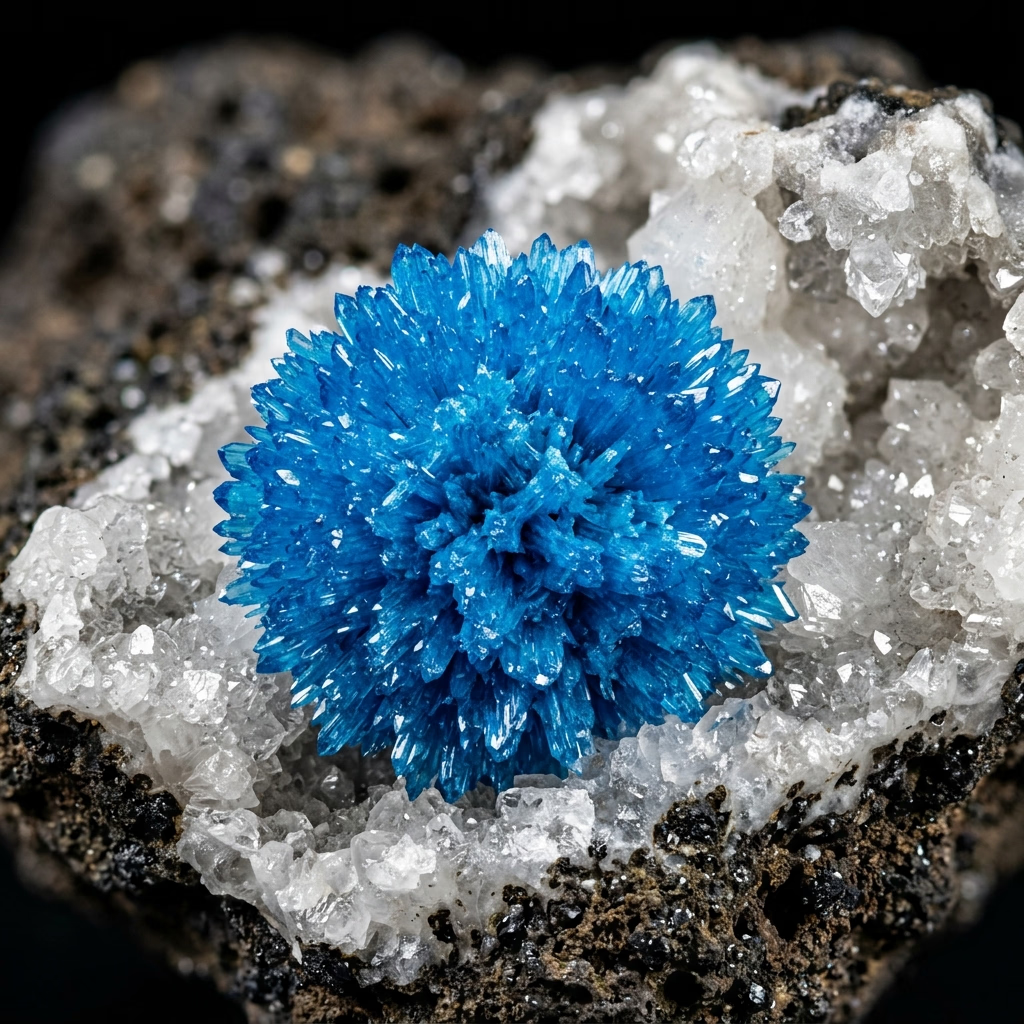
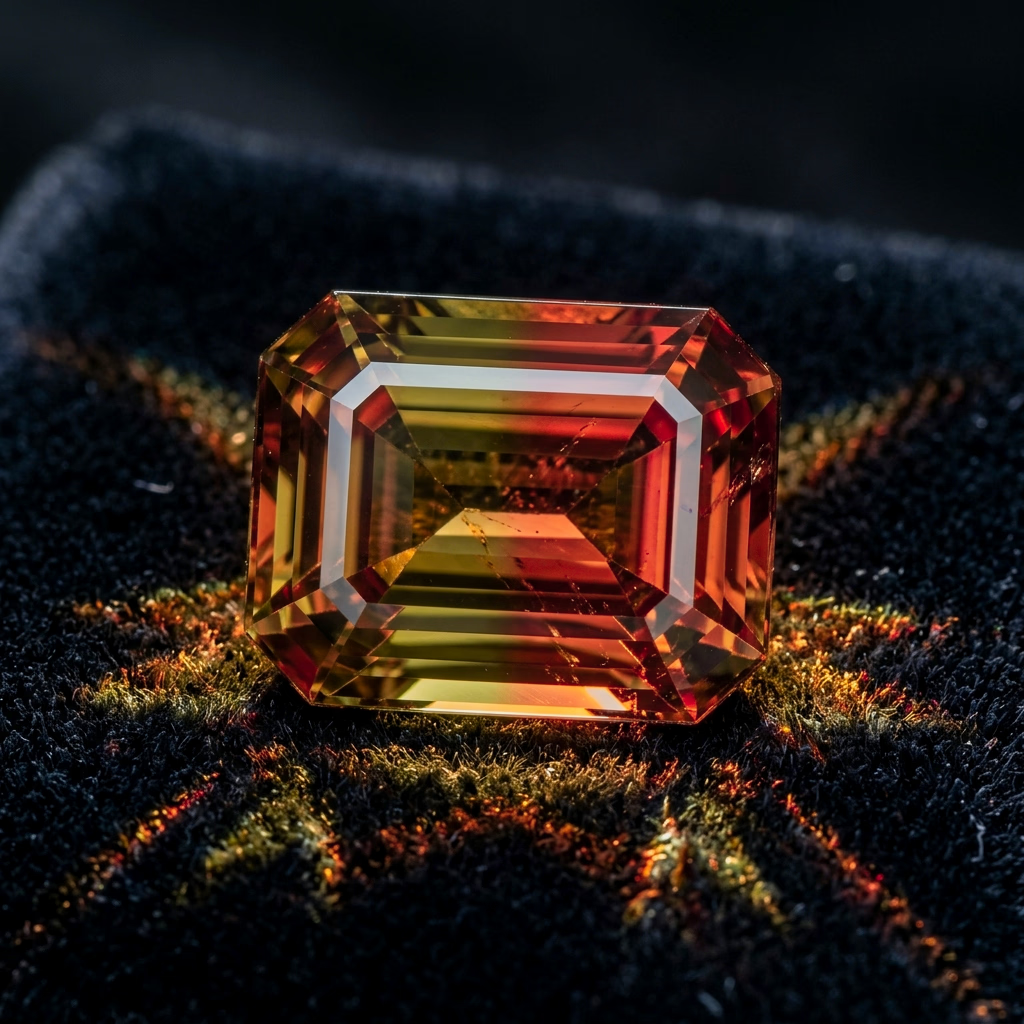
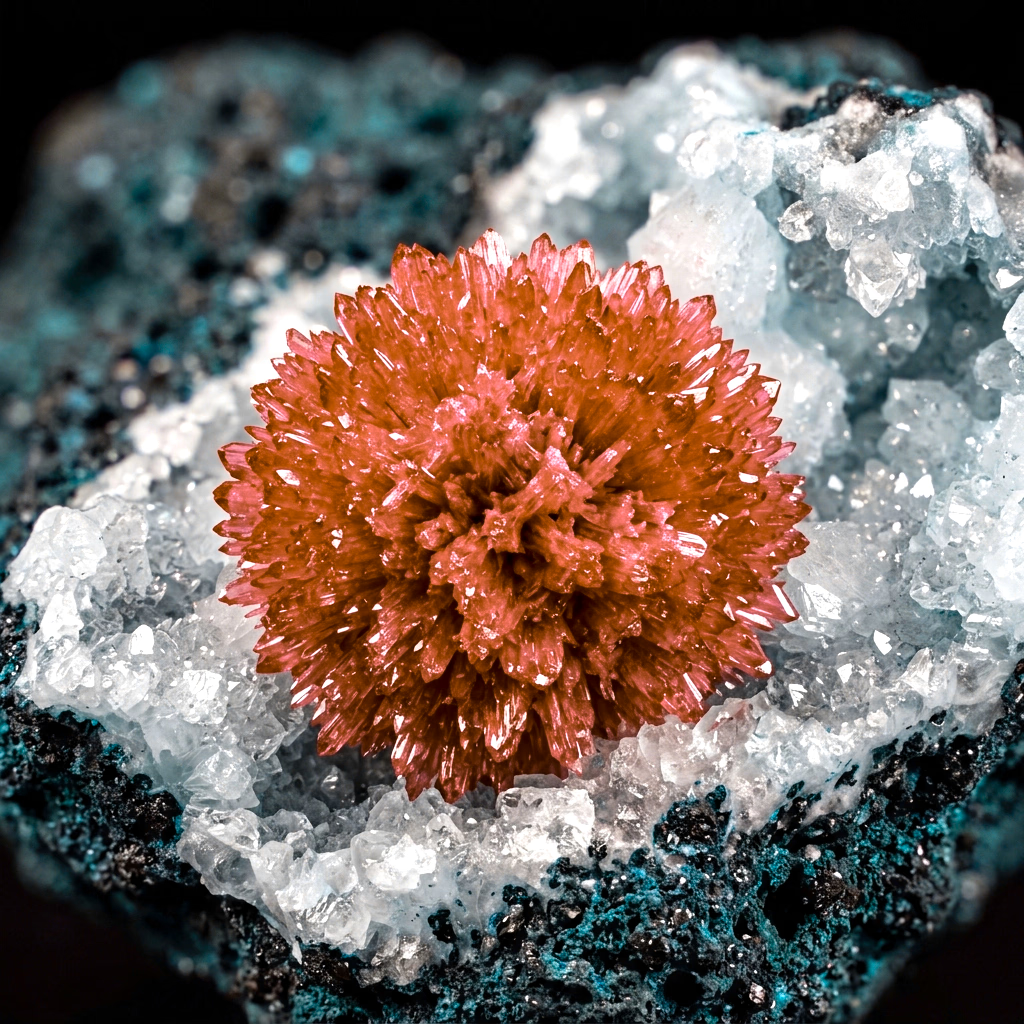
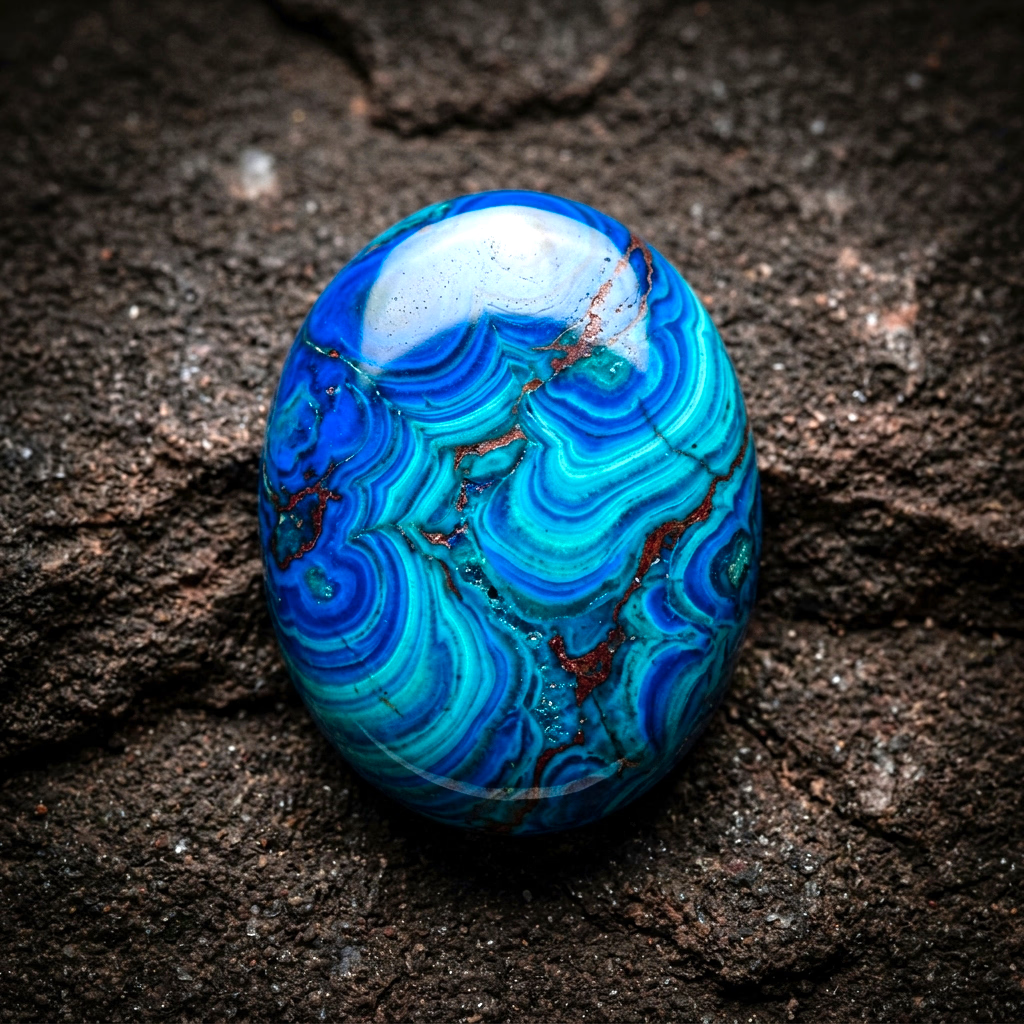
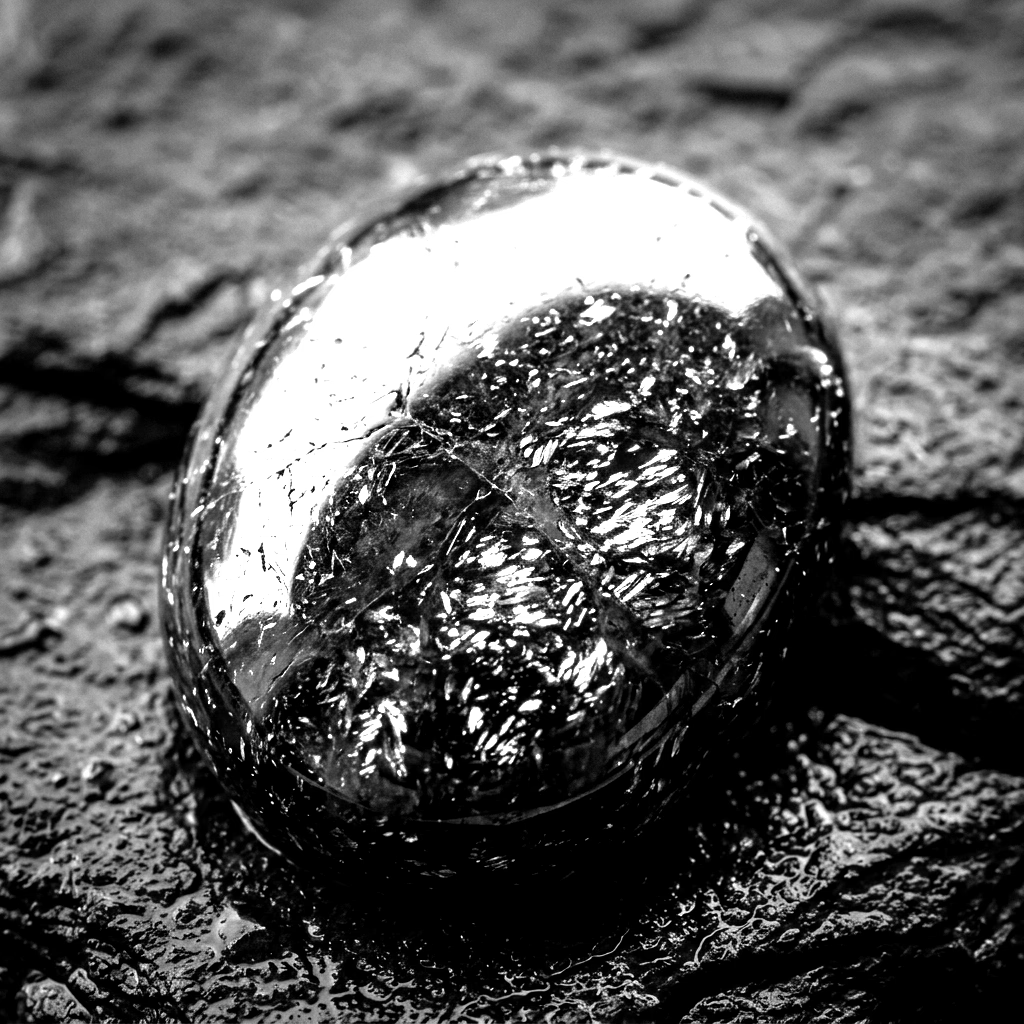
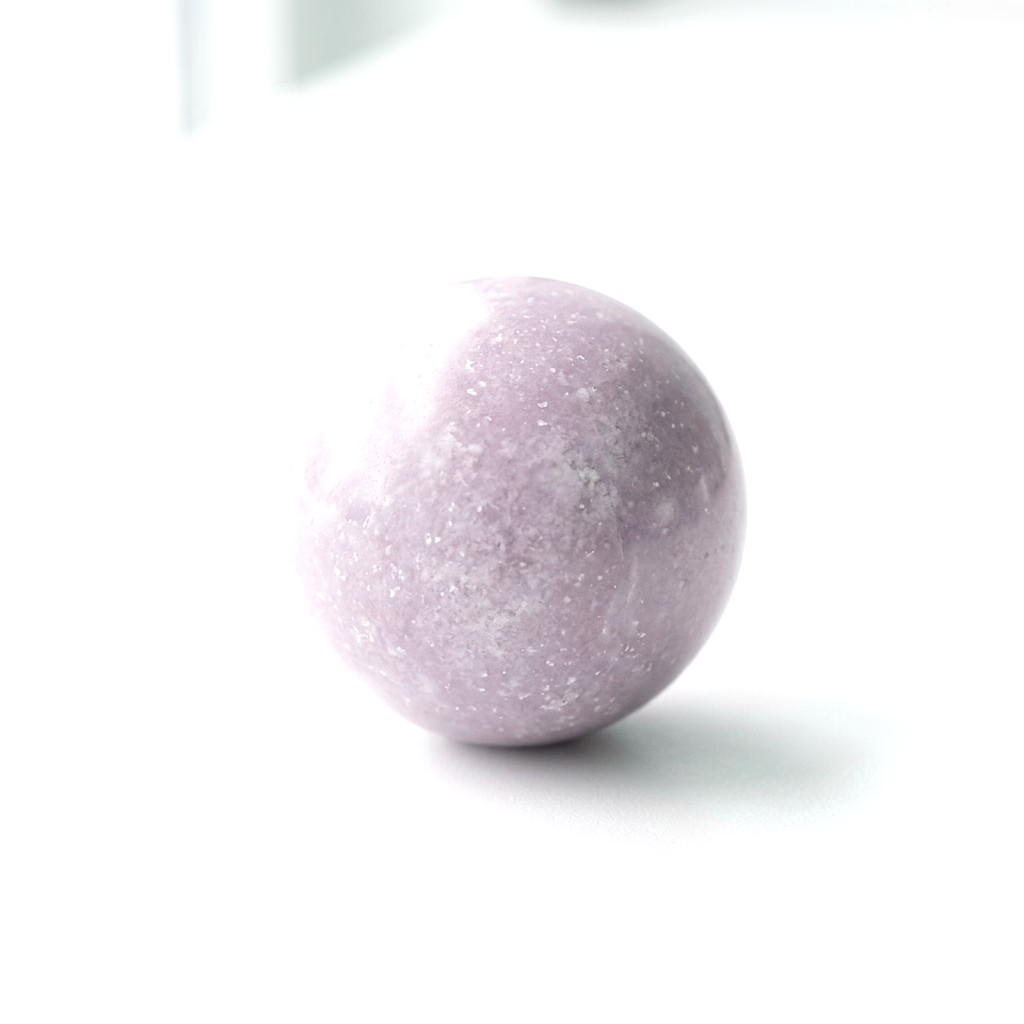
Named in honor of James Smithson, the visionary British chemist and mineralogist whose philanthropic bequest founded the world-renowned Smithsonian Institution, Smithsonite is a zinc carbonate mineral (ZnCO₃). Renowned for its luxurious botryoidal (grape-like) bubbly clusters coated in a satiny, pearly sheen, it occurs in dreamy pastel tones of glacier blue, blush pink, lavender, and mint green. Metaphysically celebrated as the ultimate elixir for the Wounded Inner Child, it acts as a celestial weighted blanket that dissolves childhood abandonment fears, emotional panic, and deep-seated inadequacy.
Mineral Specs & Energy Profile
Mineralogical values and spiritual frequencies
Mohs HardnessMohs 4.0 - 4.5
Chemical FormulaZnCO₃
Crystal SystemTrigonal (Botryoidal & Stalactitic Masses)
Mineral FamilyCarbonate Mineral (Calcite Group)
Resonant ChakraHeart (4th), Throat (5th) & Crown Chakra (7th)
BirthstonePisces & Virgo Talisman · Venus & Divine Mother Grace
Ruling Body / ElementWater
Primary OriginsUSA (Kelly Mine, New Mexico), Namibia (Tsumeb), Greece (Laurion), Mexico
Origins & History: Legacy of James Smithson & The Fabled Kelly Mine
Historically, miners confounded Smithsonite and Hemimorphite under the generic catch-all term Calamine. In 1802, British chemist James Smithson performed rigorous quantitative analyses proving that calamine actually comprised two distinct minerals: a zinc carbonate and a zinc silicate. In 1832, mineralogist François Sulpice Beudant formally christened the carbonate Smithsonite. In the early 20th century, the Kelly Mine in Magdalena, New Mexico, yielded world-famous botryoidal clusters of saturated robin-egg turquoise blue, which now grace the Smithsonian and major international mineral galleries.
Mineralogy: Calcite Isostructure & Chromophore Substitution Rainbow
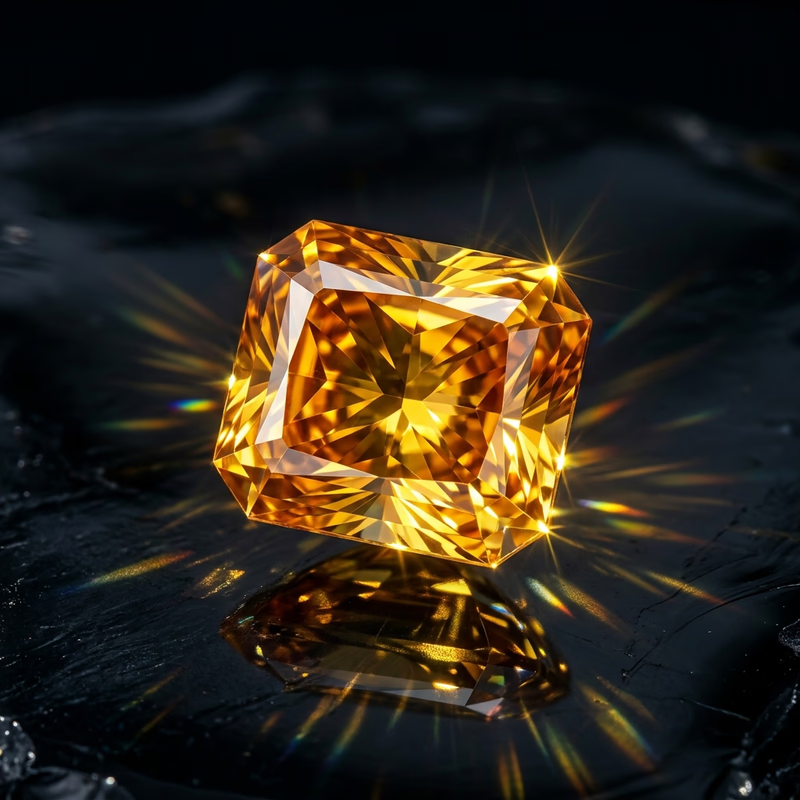
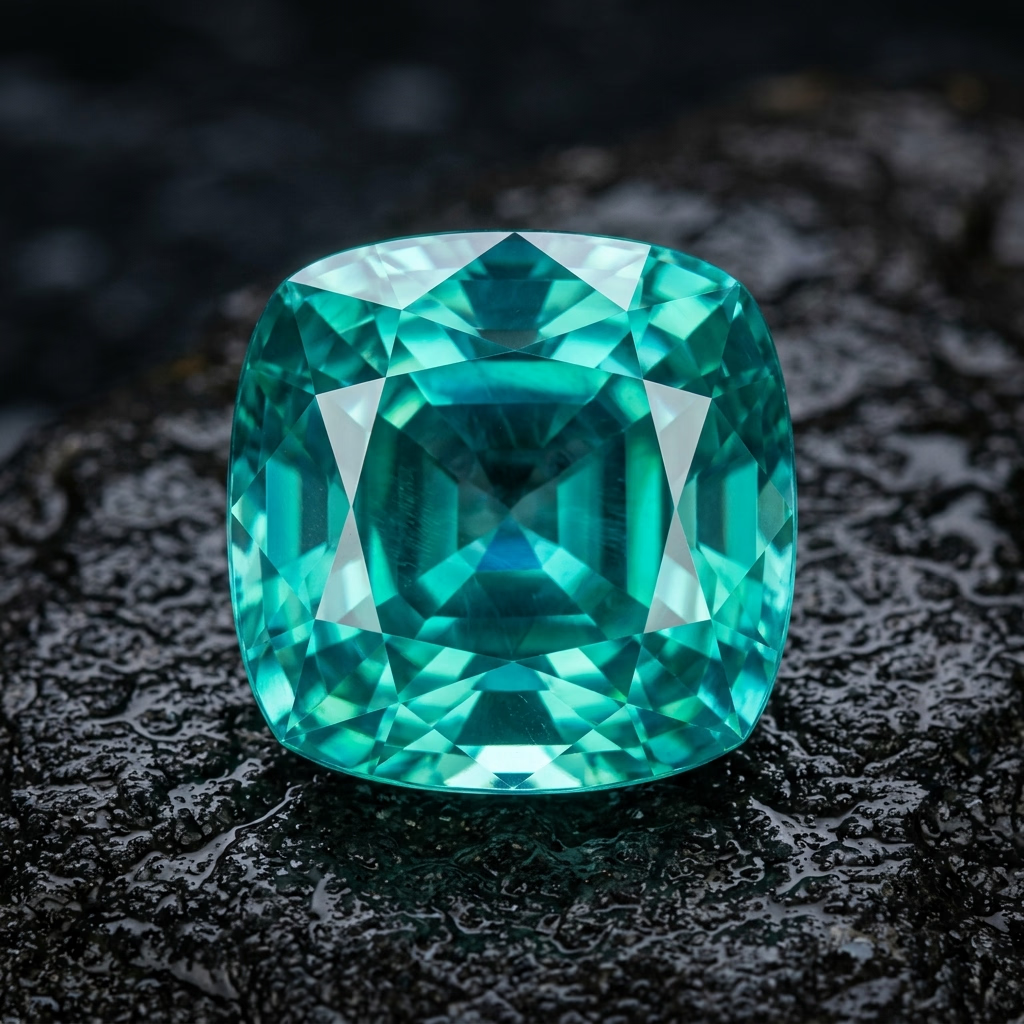
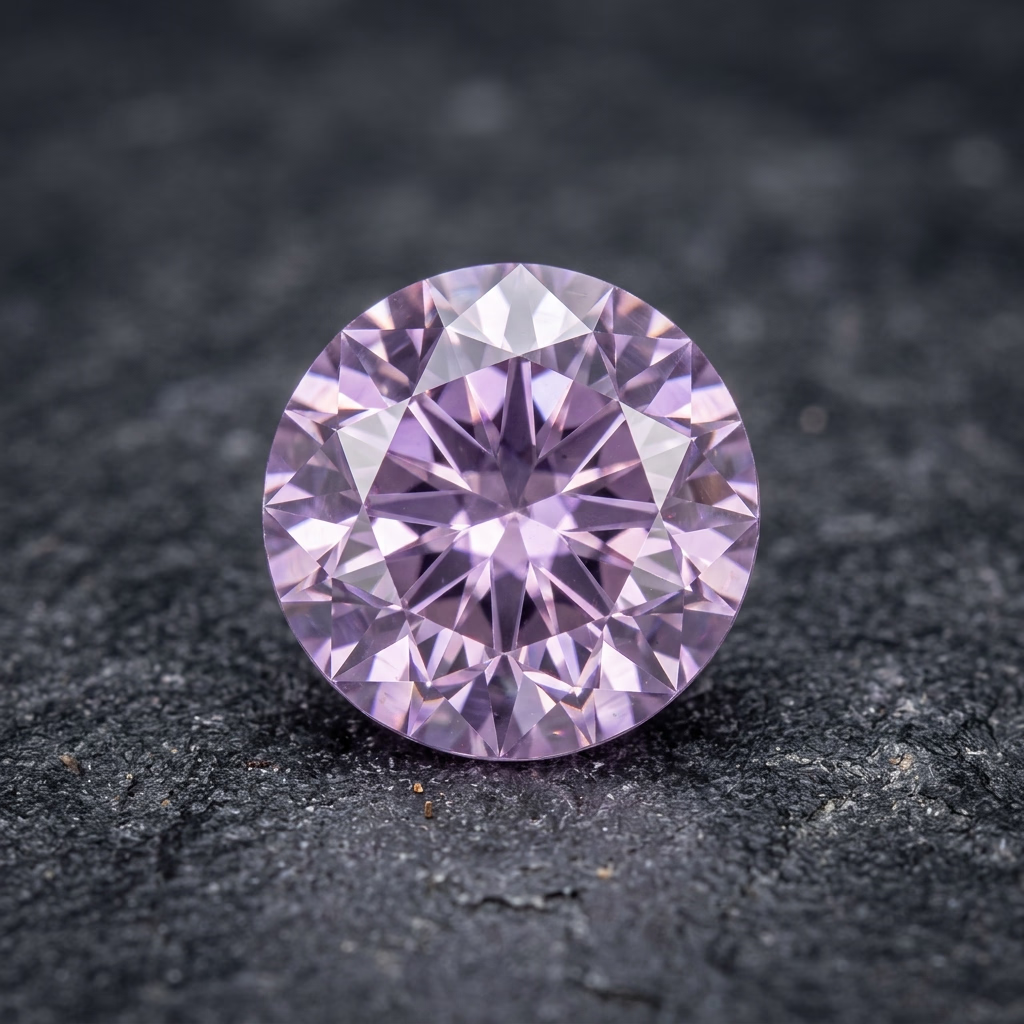
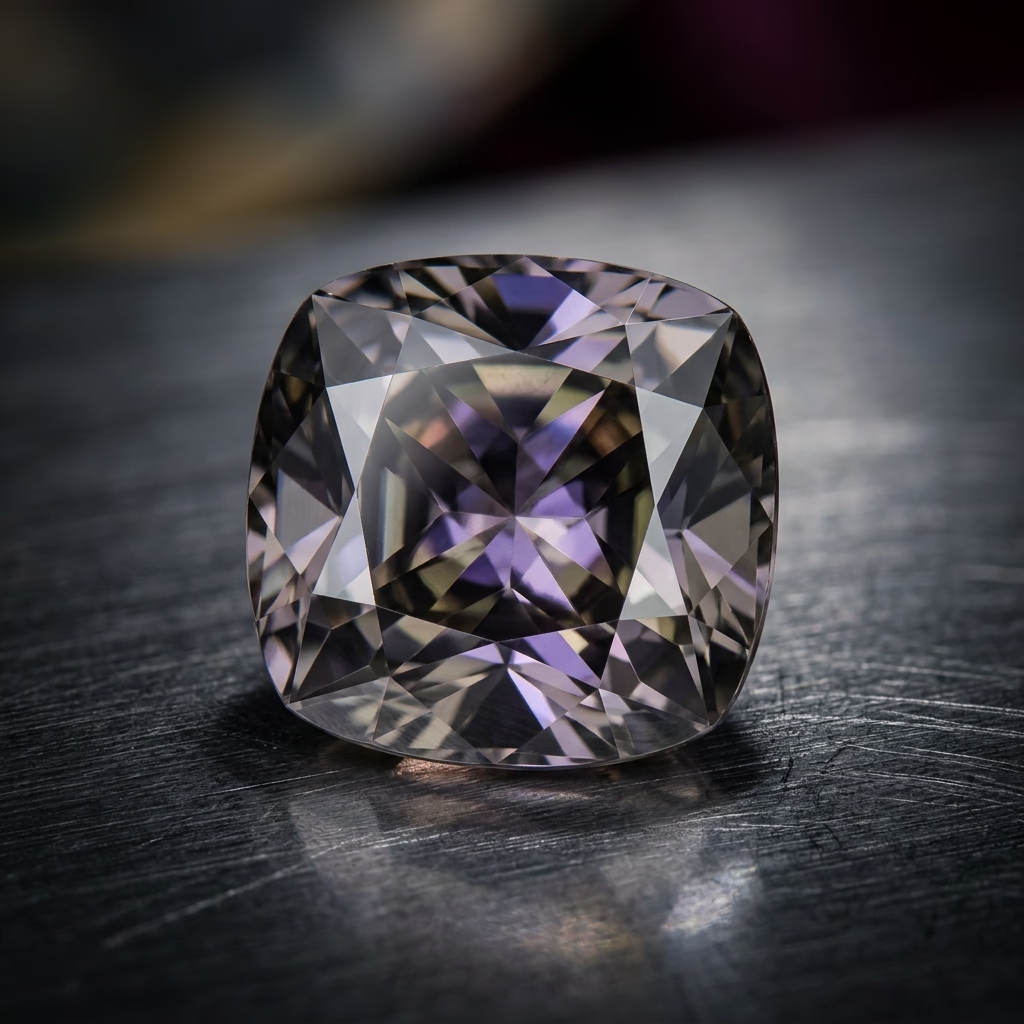
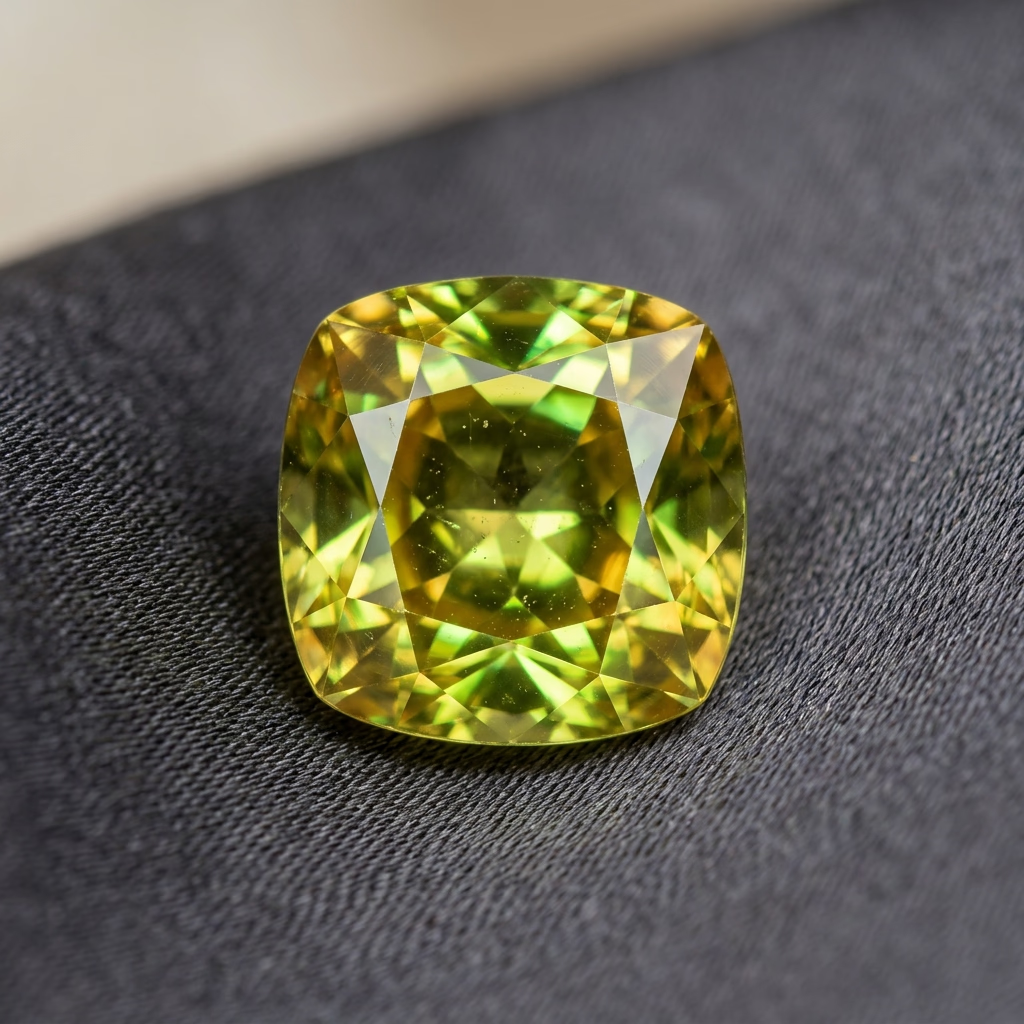
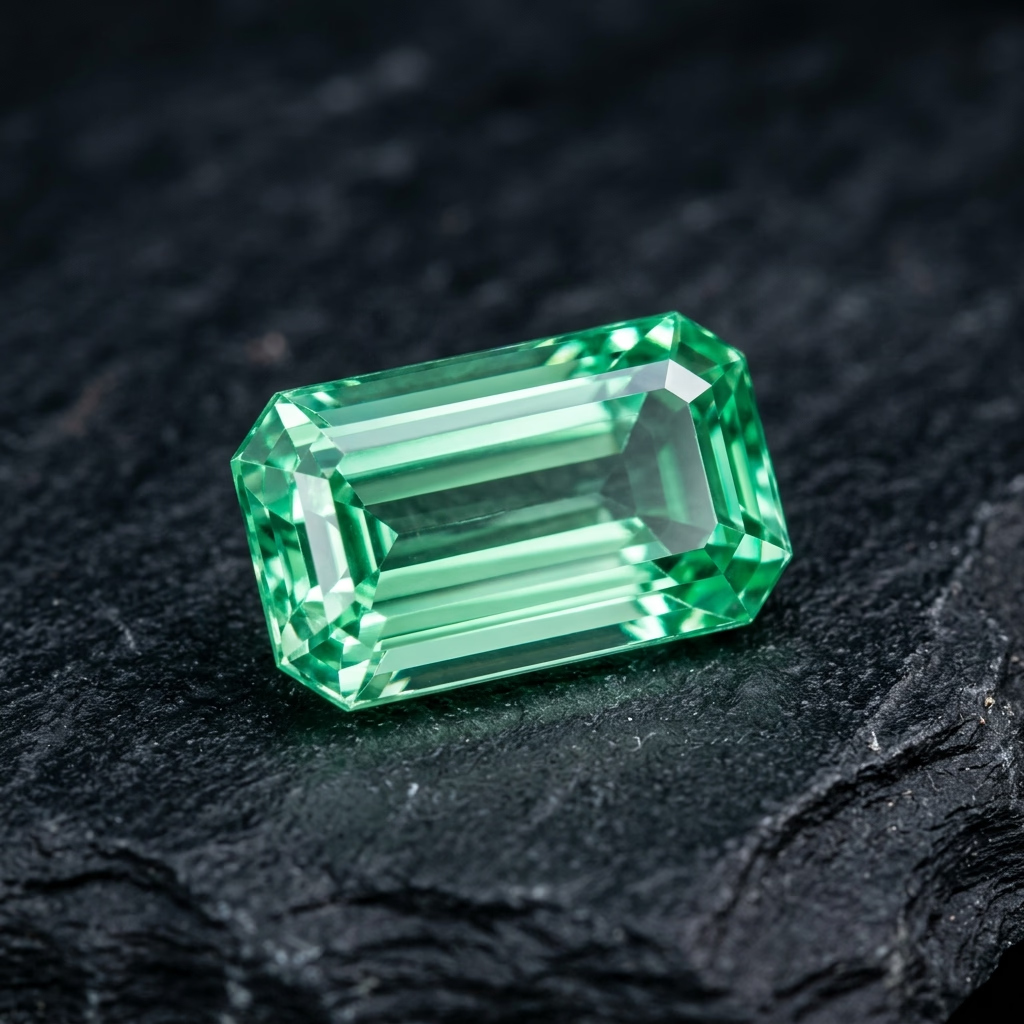
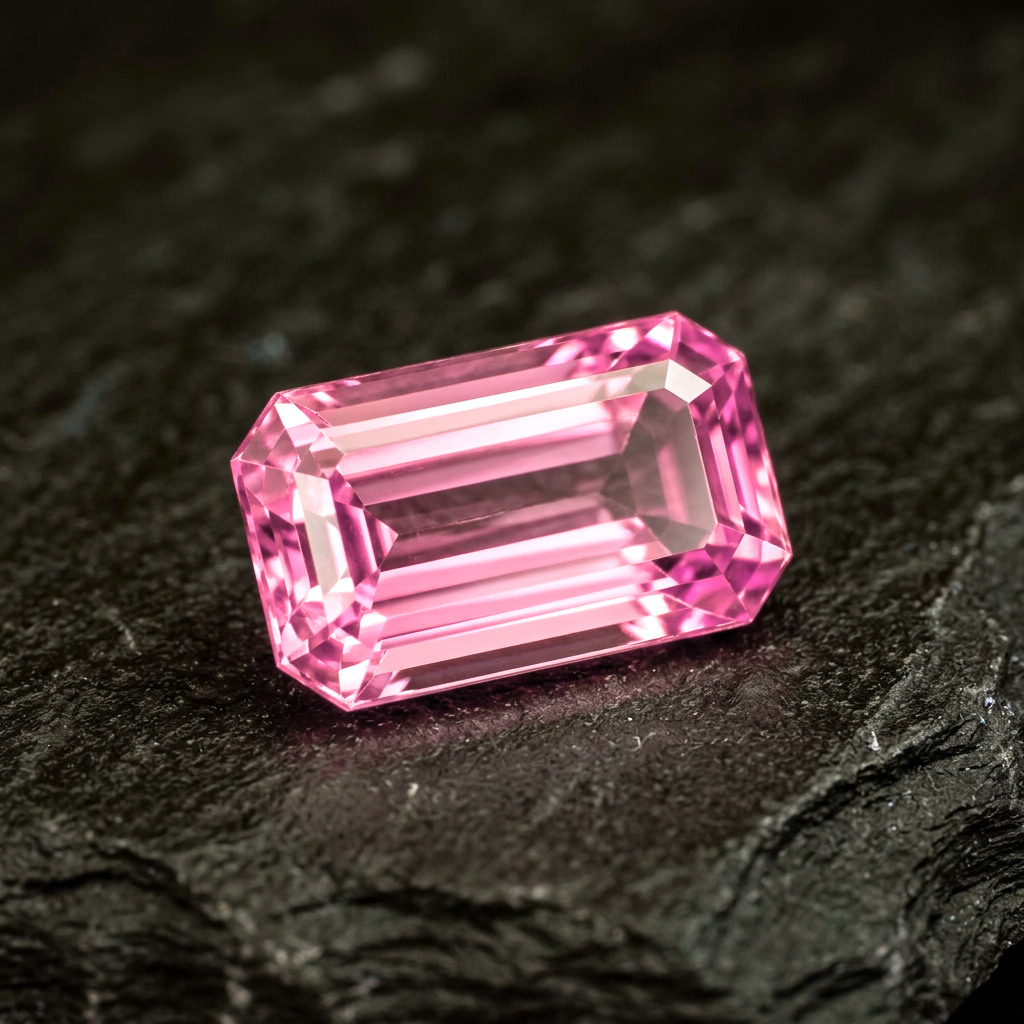
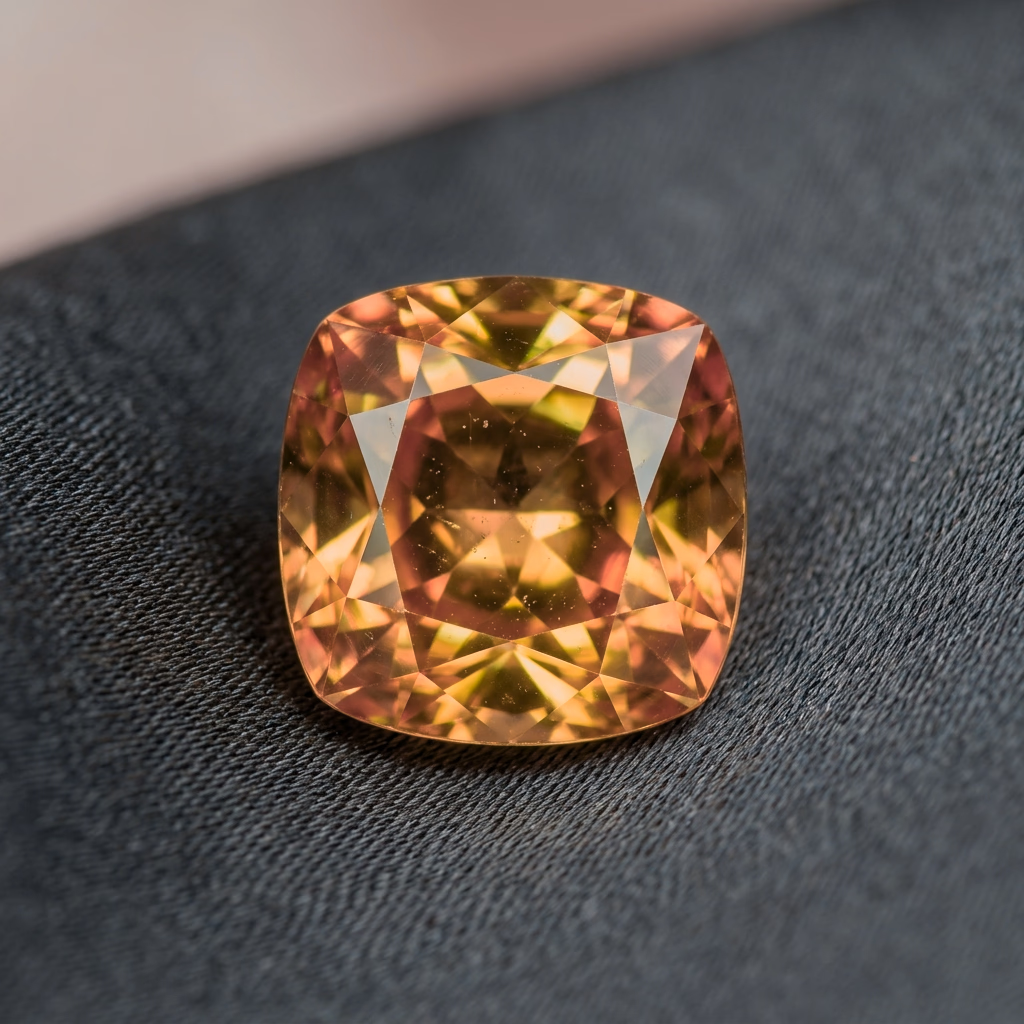
Belonging to the calcite group, Smithsonite is an isostructural zinc carbonate (ZnCO₃) crystallizing in the trigonal system with a high specific gravity of 4.40–4.50. While pure smithsonite is white or colorless, natural isomorphic substitution of trace transition metals within zinc lattice sites produces a breathless pastel palette: copper (Cu²⁺) creates electric turquoise and robin-egg blue; cobalt (Co²⁺) yields baby pink and violet; cadmium (Cd²⁺) produces canary yellow; and iron (Fe²⁺) yields warm butterscotch tones. Its velvety botryoidal surfaces gleam with iridescent silky-pearly luster.
Energy Resonance: Divine Maternal Embraces & Re-Mothering the Soul
Smithsonite acts as a warm, cashmere-soft psychic embrace over the Heart and Throat chakras. It is the premier metaphysical ally for inner-child reparenting, dissolving ancient subconscious programming that whispers you are unlovable, broken, or not enough. It creates an unshakeable sense of emotional sanctuary within your own body, soothing adult separation anxiety, panic attacks, and fear of intimacy by wrapping your wounded vulnerability in unconditional divine maternal grace.
Synergistic Pairings: Heart Rebirth with Rhodochrosite & Tranquil Bliss with Larimar
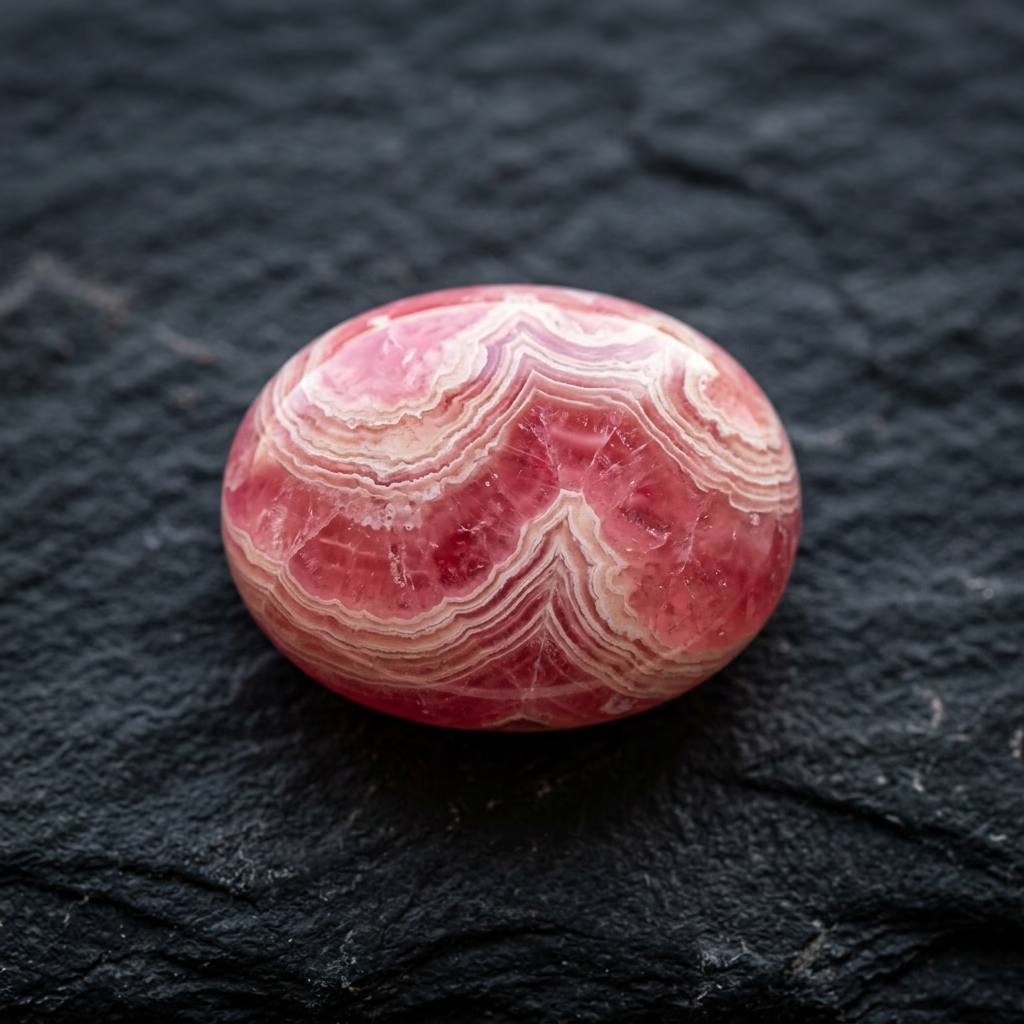
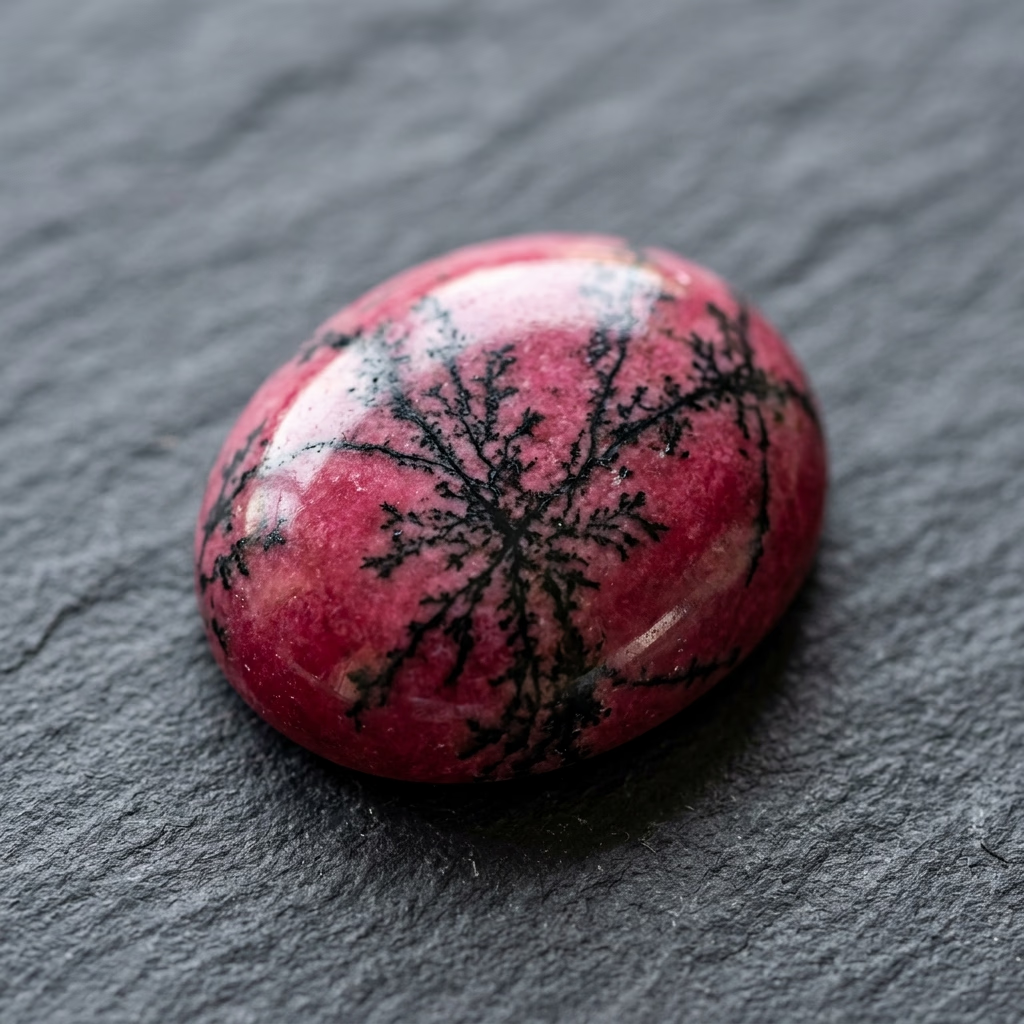
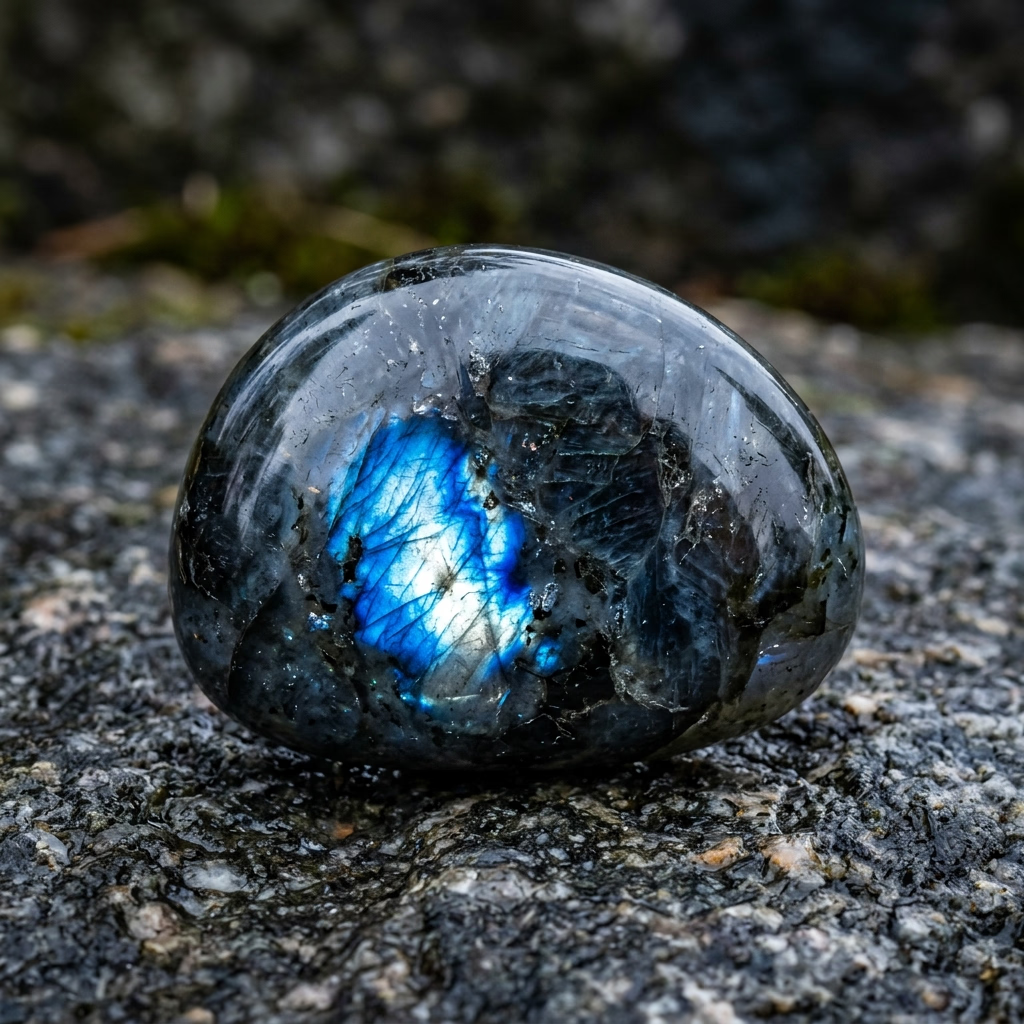
Coupled with rose-red Rhodochrosite, Smithsonite forms the gold standard inner-child rehabilitation duo. While Rhodochrosite courageously unlocks the closet where childhood trauma was hidden, Smithsonite cushions the release with unconditional soothing compassion, preventing emotional overwhelm. Paired with Larimar, it creates an oceanic sanctuary of peace, flushing old resentment from the Throat and Heart and restoring joyful innocence.
Recommended Persona: Adult Children of Dysfunctional Families, Child Therapists & Anxious Souls
A tender companion for adults healing from dysfunctional family dynamics, emotional neglect, or childhood abandonment. It is equally indispensable for pediatric nurses, child psychologists, foster parents, and social workers who require bottomless wells of unconditional patience and warmth when comforting vulnerable children.
Care & Cleansing: Strictly Avoid Acids (Carbonate Reaction), Soft Microfiber & Moonlight
As a zinc carbonate mineral (ZnCO₃), Smithsonite will effervesce and corrode if exposed to acidic substances (vinegar, fruit acids, perfumes), permanently ruining its velvety botryoidal luster. Possessing a modest hardness of 4.0–4.5, never clean it using ultrasonic jewelry baths or harsh abrasives. Simply dust using a soft dry microfiber cloth. Purify energetically under serene full moonlight or by resting it atop a bed of dry Clear Quartz tumble stones.